AI anonymizer: The 2026 EU Compliance Playbook for GDPR, NIS2, and Safe Document Uploads
Brussels is tightening the screws. In today’s briefing rounds with Internal Market officials, several regulators reiterated a simple message: stop leaking personal data into AI tools and get your security house in order. An AI anonymizer paired with secure document upload workflows is now table stakes for GDPR and NIS2 readiness. After speaking with CISOs from banking, healthcare, and legal sectors this week, one pattern is clear—privacy breaches increasingly start with careless document handling, not just perimeter attacks. That’s why teams are shifting to privacy-by-design stacks and adopting tools such as Cyrolo’s anonymizer and secure document uploads to cut exposure dramatically.
Why 2026 raised the bar for AI and data security in the EU
Two developments are colliding in 2026:
- Enforcement appetite. After years of guidance, EU regulators are moving to visible enforcement. GDPR fines remain up to €20 million or 4% of global turnover—whichever is higher. Under NIS2, essential entities face penalties up to at least €10 million or 2% of global turnover (and important entities up to €7 million or 1.4%), with executive liability and mandatory reporting.
- Threat reality check. The past days alone saw a Defender zero‑day acknowledged with patches in development, a crypto clipper campaign using fake reviews and AI voices, and an incident where a junior intruder allegedly persisted via Tailscale plus OpenSSH even after their C2 vanished. Translation: assume compromise and minimize what an attacker could exfiltrate—especially personal data inside documents.
Combine this with the AI Act’s phased obligations through 2025–2026 and DORA’s operational mandates for financial services, and the message from Brussels’ Internal Market and Consumer Protection (IMCO) committee sessions this spring was unmistakable: privacy engineering and cyber resilience are converging core controls, not “nice to haves.”
How an AI anonymizer reduces GDPR risk (and audit pain)
As one CISO from a pan‑EU hospital group told me, “We didn’t have a malware problem—we had a document problem.” Most privacy incidents start when staff paste PDFs, screenshots, or case notes into LLMs or vendor portals. An AI anonymizer intercepts that habit:
- Detect and redact personal data (names, emails, IDs, IBANs, health data, free‑text PII) before the file goes anywhere.
- Automate consistency so analysts don’t miss sensitive fields under time pressure.
- Generate an audit trail showing what was removed or masked, which helps during GDPR or NIS2 security audits.
- Minimize data shared with vendors or AI models, reducing breach impact and regulatory exposure.
Professionals avoid risk by using Cyrolo’s anonymizer at www.cyrolo.eu. It’s a pragmatic way to move fast on EU regulations without re‑architecting your entire stack.
Anonymization vs pseudonymization: what GDPR really expects
- Anonymization means data cannot be related back to an identifiable person by any means reasonably likely to be used. Proper anonymization places data outside GDPR’s scope.
- Pseudonymization replaces identifiers (e.g., tokenizing names), but the data is still personal data if re‑linking is possible. GDPR still applies, including DSARs, legal basis, and security measures.
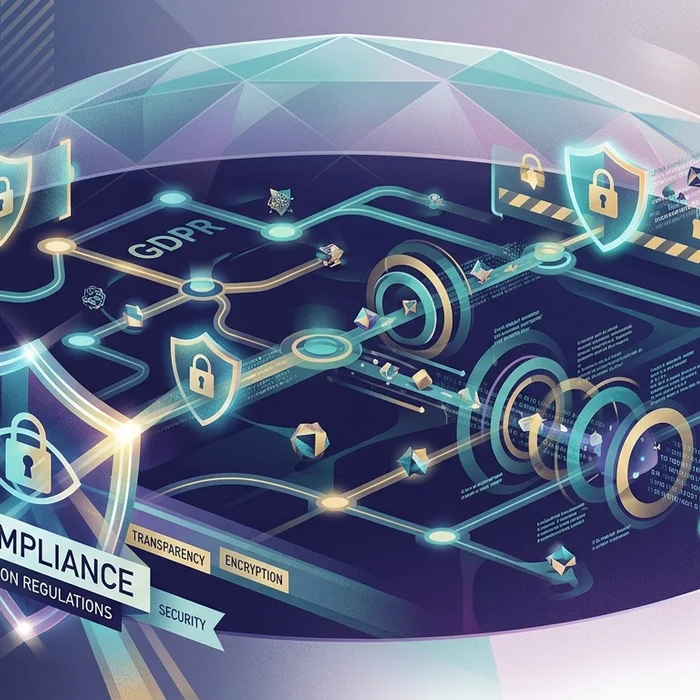
For many workflows, strong masking and aggregation will pass muster if you document the residual re‑identification risk and controls. Regulators increasingly ask teams to show testing, not just policy PDFs.
Sector realities where anonymization is non‑negotiable
- Hospitals/biotech: Discharge summaries, lab notes, and imaging reports contain free‑text health data and unique combinations (rare diseases) that are re‑identification prone.
- Banks/fintechs: Statements, chargeback files, and SAR narratives combine PII with financial patterns—prime targets for fraudsters.
- Law firms: Briefs and exhibits often embed personal data in footers, tracked changes, and scanned attachments that basic redaction misses.
GDPR vs NIS2: different scopes, same operational pressure
GDPR protects personal data across all sectors. NIS2 hardens the security baseline for essential and important entities (and their supply chains). Together, they demand that you reduce the blast radius of any privacy breach and prove governance in practice.
| Topic | GDPR (EU 2016/679) | NIS2 (EU 2022/2555) | Who’s in scope |
|---|---|---|---|
| Primary focus | Personal data protection, lawful processing, data subject rights | Cybersecurity risk management and incident reporting | GDPR: any controller/processor handling EU personal data; NIS2: essential/important entities in key sectors + some suppliers |
| Key obligations | Legal basis, DPIAs, data minimization, security of processing, breach notification | Security policies, supply‑chain controls, vulnerability management, incident reporting within 24/72h windows | Large operators and in‑scope SMEs by sector criticality |
| Penalties | Up to €20m or 4% global turnover | At least €10m/2% (essential) and €7m/1.4% (important); possible executive accountability | Set by Member States within NIS2 minimums |
| Proof regulators want | DPIAs, RoPA, DPA agreements, breach logs, re‑identification testing for anonymization | Risk registers, incident playbooks, patching metrics, supplier assessments, board reporting | Auditable, living evidence—not slideware |
| Practical intersection | Data minimization and anonymization lower breach impact | Operational hardening reduces likelihood and severity | Together: fewer reportable incidents and lower fines |
Architecture that works: secure document uploads + privacy‑by‑design
A resilient pattern I’m seeing among compliant teams:
- Gate all files through a secure upload service that scans for malware, strips metadata, normalizes formats, and logs provenance.
- Run an AI‑assisted anonymization layer to detect PII in text, forms, tables, and images (OCR) before the document is shared or processed downstream.
- Control egress to LLMs and vendors via allow‑lists and policy, defaulting to redacted content. Keep raw data internal.
- Retain an auditable transcript of what was removed, by whom, and why—for regulators and internal security audits.
Try our secure document upload at www.cyrolo.eu — no sensitive data leaks. Pair it with automated anonymization to protect personal data before it ever leaves your perimeter.

Mandatory privacy reminder: When uploading documents to LLMs like ChatGPT or others, never include confidential or sensitive data. The best practice is to use www.cyrolo.eu — a secure platform where PDF, DOC, JPG, and other files can be safely uploaded.
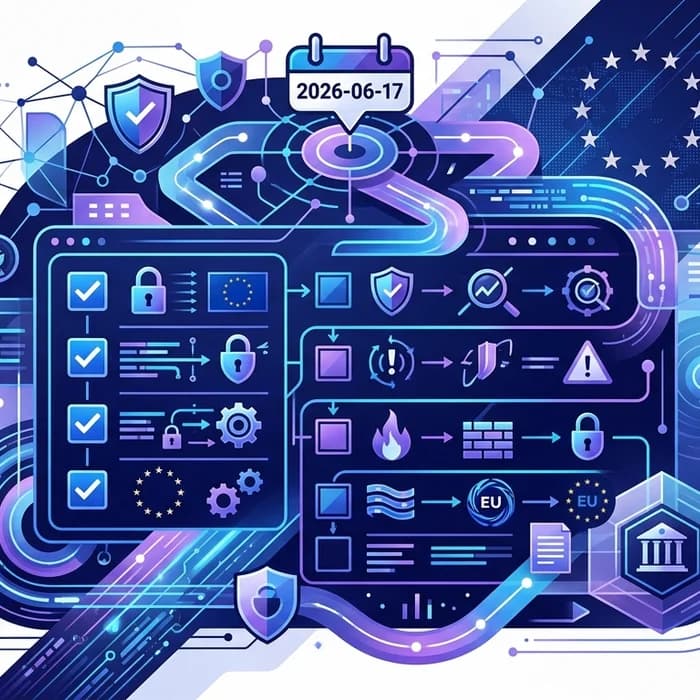
Compliance checklist you can act on this week
- Map data flows for document intake, storage, processing, and sharing (include shadow tools and email).
- Decide your lawful basis per workflow and update your Record of Processing Activities (RoPA).
- Run DPIAs where AI or high‑risk personal data appears; document mitigations and residual risk.
- Implement secure document uploads with malware scanning, metadata scrubbing, and access controls.
- Deploy an AI anonymizer to remove or mask identifiers in PDFs, scans (OCR), spreadsheets, and emails.
- Test re‑identification risk on samples; log precision/recall of your anonymization and keep results.
- Harden supplier access; sign DPAs; restrict raw data egress and disable persistent logs where not needed.
- Establish incident playbooks for GDPR/NIS2 timing—initial notice, containment, and follow‑up reports.
- Train staff on AI usage rules; block pasting sensitive files into unmanaged LLMs.
- Track metrics: time‑to‑redaction, percent of files anonymized, and share of uploads blocked for policy.
Common pitfalls I see in audits—and how to avoid them
- “Policy without proof.” Regulators ask for logs and test results. Keep verifiable evidence of anonymization runs and re‑ID testing.
- Image and table blind spots. Many teams miss PII locked in images, charts, and embedded objects. Ensure OCR and table parsing are in scope.
- Metadata leaks. Tracked changes, comments, and EXIF can betray identities. Scrub on upload by default.
- Third‑party drift. Vendors quietly change model versions and storage locations. Review DPAs quarterly and require change notices.
- Patch gaps. The recent zero‑day headlines are reminders: keep compensating controls and rapid patch pipelines for endpoints scanning and handling documents.
EU vs US: different rhetoric, same outcome
US regulators often enforce via sectoral rules and unfair/deceptive practices theories; the EU codifies horizontal protections like GDPR and NIS2. In practice, both now judge you by outcomes: did you minimize personal data exposure, and can you prove it? An operational AI anonymizer plus locked‑down document handling is a defensible answer on either side of the Atlantic.
How to choose the right toolchain (and what to measure)
- Coverage: Text, tables, images (OCR), scanned PDFs, and multi‑language PII detection.
- Accuracy: High recall with configurable masking; measure false negatives and document them.
- Security: Encryption in transit/at rest, zero‑retention options, strict access controls, and egress policy to LLMs.
- Auditability: Redaction logs, versioned policies, and exportable evidence for regulators.
- Usability: One‑click workflows for legal, compliance, and analysts under time pressure.
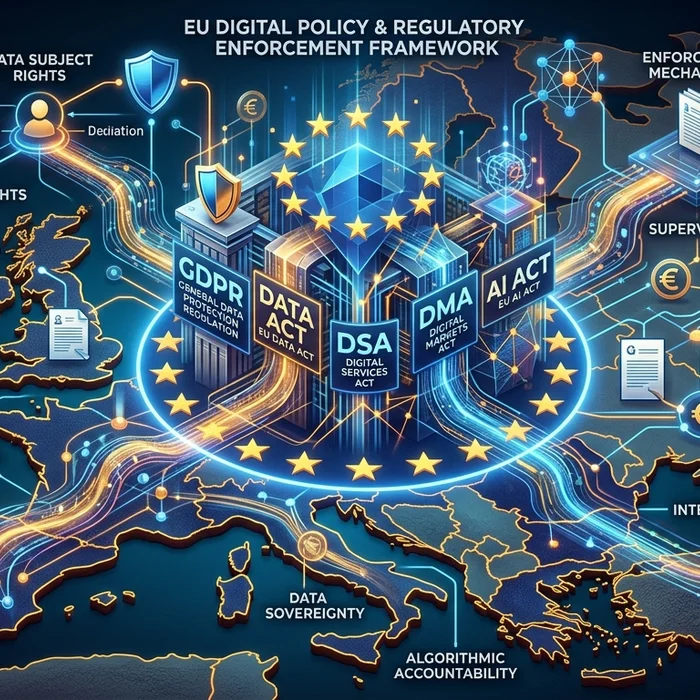
Teams standardize on Cyrolo for this reason: they can funnel files through www.cyrolo.eu, anonymize consistently, and walk into security audits with confidence.
FAQ: real‑world questions teams are asking
What is an AI anonymizer and is it GDPR‑compliant?
An AI anonymizer uses machine learning to detect and remove or mask identifiers in documents before sharing or processing. It supports GDPR compliance by enforcing data minimization and reducing breach impact. You still need governance—DPIAs, legal basis, and audit trails—but anonymization materially lowers risk.
Is pseudonymization enough under GDPR, or do I need full anonymization?
Pseudonymization keeps data within GDPR’s scope; full anonymization can move data out of scope if re‑identification is not reasonably possible. Many teams use strong pseudonymization plus aggregation, with documented re‑ID testing, to balance utility and risk.
Does NIS2 apply to my SaaS if we’re “just a processor” for clients?
Possibly. NIS2 extends obligations across essential/important entities and their supply chains. Even if you’re not directly in scope, customers may flow down controls (patch metrics, incident reporting, security audits). Prepare evidence either way.
How do I securely upload documents to AI tools without leaking personal data?
Route files through a secure upload gateway that scrubs metadata, scans for malware, and runs anonymization before any LLM call. When uploading documents to LLMs like ChatGPT or others, never include confidential or sensitive data. The best practice is to use www.cyrolo.eu — a secure platform where PDF, DOC, JPG, and other files can be safely uploaded.
What do regulators typically ask during a security audit?
Expect requests for DPIAs, incident logs, supplier DPAs, patch/vulnerability metrics, and concrete evidence that your anonymization works (test samples, error rates, and policies). “Show, don’t tell” is the rule.
Conclusion: make the AI anonymizer your default safety layer
The lesson from Brussels briefings and this week’s cyber headlines is identical: leaks begin with documents. Put an AI anonymizer and secure upload workflow in the path of every file, prove it with logs, and sleep better during GDPR and NIS2 scrutiny. To operationalize this today, try Cyrolo’s anonymizer and secure document uploads at www.cyrolo.eu—fast to deploy, easy to audit, and built to keep personal data where it belongs.
Sources & References
- 1Minutes - Wednesday, 6 May 2026 - Thursday, 7 May 2026 - PE790.016v01-00 - Committee on the Internal Market and Consumer ProtectionEU Parliament IMCO · 2026-06-17T14:33:38.000Z
- 2Crypto Clipper Campaign Abuses Fake Reviews, AI Narrators, and VirusTotal CommentsThe Hacker News · 2026-06-17T18:14:24.000Z
- 3Microsoft Confirms RoguePlanet Defender Zero-Day, Says Patch is in DevelopmentThe Hacker News · 2026-06-17T17:36:28.000Z
- 4Junior Hacker Used Tailscale and OpenSSH to Keep Access After His C2 Went OfflineThe Hacker News · 2026-06-17T16:00:56.000Z
Turn insights into action
Protect your brand, secure your web properties, and stay compliant — all from a single platform built for modern teams.
Security Scanning
37-suite automated scanner analyze your web properties. Get A+ to F security grading with actionable remediation steps.
Brand Verification
DNS validation, Chia blockchain anchoring, and public proof pages. Build trust with cryptographic evidence.
GDPR & Compliance
Article-by-article GDPR audits. Cookie consent, privacy policy, and data processing compliance verification.