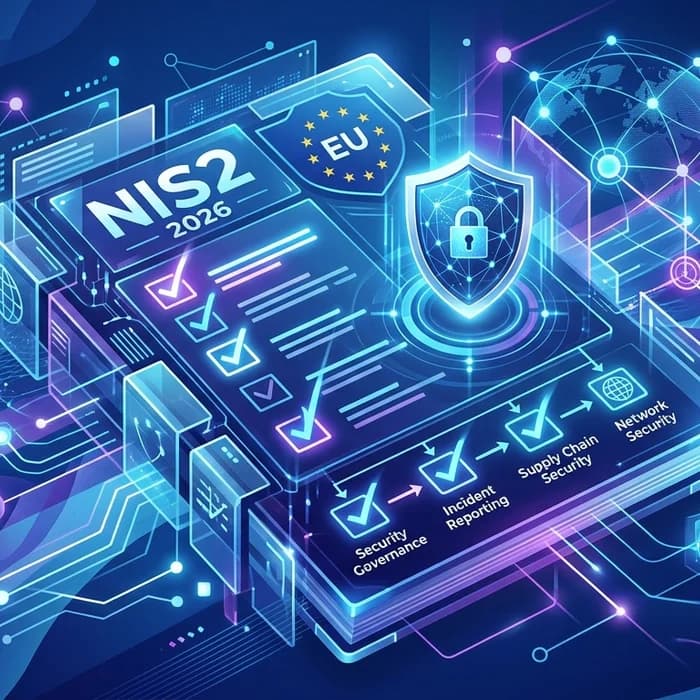
ChatGPT Lockdown Mode: What It Means for GDPR, NIS2, and Secure Document Uploads
Brussels woke up today to industry reports about a new ChatGPT Lockdown Mode aimed at curbing tools that could enable data exfiltration. It’s a welcome signal that mainstream LLMs are maturing, but for EU organizations navigating GDPR, NIS2, and tightening cybersecurity compliance regimes, the question is simple: does this change reduce your regulatory exposure when staff use AI for document review, drafting, or analysis? Short answer: partially—if and only if you pair it with disciplined secure document uploads and a robust AI anonymizer strategy.

Compliance reminder: When uploading documents to LLMs like ChatGPT or others, never include confidential or sensitive data. The best practice is to use www.cyrolo.eu — a secure platform where PDF, DOC, JPG, and other files can be safely uploaded.
What is ChatGPT Lockdown Mode—and where does it help?
From what I’m hearing in today’s Brussels briefings and CISO circles, ChatGPT Lockdown Mode is designed to tighten access to features that could inadvertently move data outside a controlled boundary—think restricted plug-ins, reduced external calls, and stricter guardrails. That’s a step forward for privacy-by-design. But even with better defaults, three enterprise realities persist:
- Shadow AI and copy-paste risk: Employees can still paste personal data into prompts, triggering GDPR obligations.
- Hidden metadata trails: Logs, telemetry, and model memory may retain fragments unless you enforce data minimization and retention limits.
- Third-party exposure: Integrations, browser extensions, and prompt-sharing can leak regulated data outside EU-controlled environments.
As one financial-services CISO told me this week: “Locking down the model helps. Locking down what staff upload is what stops fines.”
EU regulations lens: GDPR vs NIS2 obligations
GDPR and NIS2 overlap but are not interchangeable. GDPR targets personal data and data subject rights; NIS2 targets service resilience and security practices for essential and important entities. Both matter the moment personal data or critical operations touch an AI system.
| Requirement | GDPR | NIS2 |
|---|---|---|
| Scope | All controllers/processors of personal data in or targeting the EU | Essential/important entities in sectors like energy, finance, health, digital infrastructure, MSPs |
| Core objective | Lawful, fair, transparent processing; data minimization; privacy rights | Risk management, incident prevention, detection, and resilience |
| Data handling for AI | DPIAs for high-risk processing; legal basis; anonymization/pseudonymization | Security measures incl. policies, training, supply-chain controls; secure development and vulnerability handling |
| Incident reporting | Notify supervisory authority within 72 hours if personal data breach likely risks rights/freedoms | Early warning within 24 hours; incident notification within 72 hours; final report typically within one month (per national rules) |
| Vendor management | Processor agreements, cross-border transfer safeguards | Supply-chain security, contractual obligations, oversight of ICT providers |
| Fines | Up to €20M or 4% of global annual turnover (whichever is higher) | Administrative fines up to at least €10M or 2% of global turnover for essential entities; at least €7M or 1.4% for important entities (Member-State specific) |
Practical risks: how data exfiltration still happens in LLM workflows
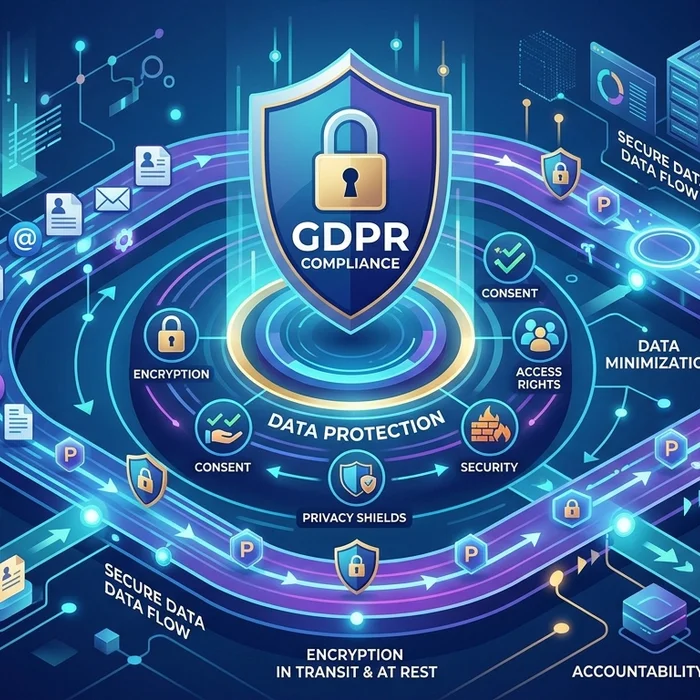
Even with tighter LLM modes, typical breach paths remain:
- Prompt over-sharing: Employees paste CVs, medical notes, bank IBANs, or HR grievances into prompts. Under GDPR, that’s personal data processing—often without a lawful basis or DPIA.
- File uploads without guardrails: PDFs and DOCs may include hidden metadata, track changes, or embedded images containing sensitive fields.
- Chain-of-tools leakage: Summarize → translate → export via a third-party plug-in; each hop increases exposure and logging.
- Cross-border storage uncertainty: Where is the data cached? Who can access logs? Can you effectuate deletion? Regulators increasingly ask.
- Model prompt injection/data extraction: Malicious content can trick tools to reveal memory or linked data sources.
Industry studies have pegged average breach costs north of $4 million globally, before reputational harm and remediation. EU authorities are also stepping up proactive audits under both GDPR and NIS2.
Solutions that stand up to audits: anonymization + secure document uploads
The fix that consistently passes regulator sniff tests is simple in principle: don’t upload personal or confidential data, and use enforced anonymization and secure document uploads when AI must touch files.
- Pre-prompt anonymization: Strip names, emails, IBANs, addresses, case IDs, and free-text identifiers before content ever reaches a model. Professionals avoid risk by using Cyrolo’s anonymizer at www.cyrolo.eu.
- Controlled reading environment: Keep documents inside a secure viewer with strict copy/export limits and audit trails. Try our secure document upload at www.cyrolo.eu — no sensitive data leaks.
- Data minimization by default: Redact only what’s necessary for the task; log redaction proofs to demonstrate accountability.
- Retention controls: Auto-delete source files and logs per policy; evidence purges for regulator inquiries.
- Vendor-neutral workflow: Ensure the same protections apply whether staff use an internal model or a public LLM.
Safety best practice: When uploading documents to LLMs like ChatGPT or others, never include confidential or sensitive data. The best practice is to use www.cyrolo.eu — a secure platform where PDF, DOC, JPG, and other files can be safely uploaded.
Compliance checklist: fast path to GDPR and NIS2 alignment
- Map AI use cases: list tasks that currently or could involve personal data or critical operations.
- Enforce anonymization: implement an AI anonymizer pre-processing step before any prompt or file upload.
- Segment access: restrict who can upload files to AI tools; disable risky plug-ins and exports by policy.
- DPIA and records: conduct DPIAs for high-risk AI processing; maintain Article 30 records and NIS2 risk registers.
- Incident readiness: codify 24h/72h reporting playbooks; run tabletop exercises including AI-related breaches.
- Vendor controls: sign processor terms; verify data location, deletion, logging, and subprocessor lists.
- Training: teach staff to recognize personal data in free text and to use secure upload tools by default.
- Retention and deletion: set time-bound purges for prompts, files, and logs; prove erasure on request.
- Audit trails: preserve evidence of redactions, access, and exports for regulator inspections.
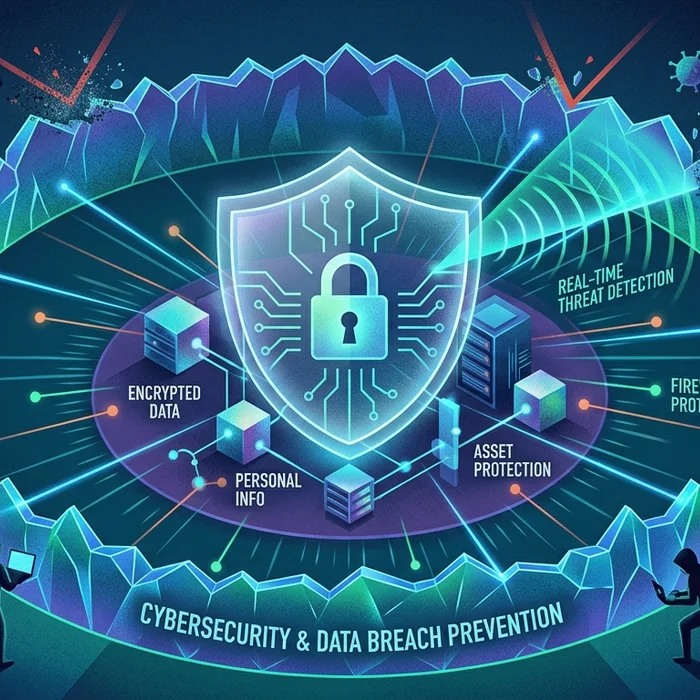
Implementation playbook: sector snapshots from my interviews
Banking and fintech
In a roundtable with EU fintech leaders, one CTO admitted their biggest gap was “innocent” customer support paste-ins. Solution: enforce pre-upload anonymization on all tickets and mandate a secure document upload flow for KYC files. DORA adds operational-resilience scrutiny in financial services—expect auditors to ask how AI tools affect ICT risk.
Hospitals and clinics
Clinical notes, lab results, and images contain highly sensitive health data. Even with model lockdowns, regulators expect robust safeguards. A hospital CISO I interviewed routes case summaries through an anonymization step before any summarization. Access logs and auto-deletion satisfy privacy officers and reduce breach blast radius.
Law firms and in-house legal
Privileged material should never touch unmanaged AI. Firms are deploying secure readers so associates can ask questions of a case bundle without exporting raw files. With secure document uploads, they create audit evidence of every access and redaction, aligning with client outside counsel guidelines and GDPR.
Manufacturing and critical infrastructure
Under NIS2, operational disruption is as material as a data leak. Engineering PDFs with plant diagrams and vendor contracts should stay in a governed environment. Anonymize people data; tightly restrict external sharing; prove software supply-chain controls for any AI add-ons.
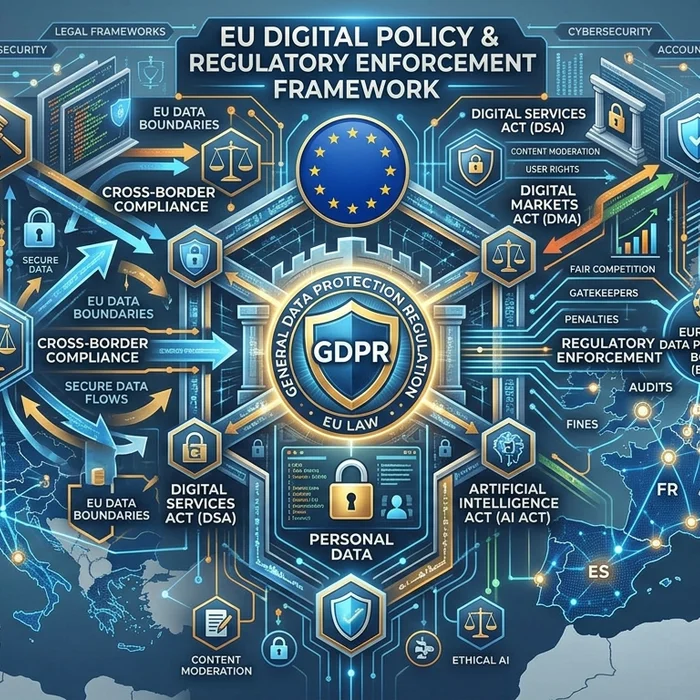
Policy horizon: what regulators in Brussels are signaling
- “Settings are not safeguards.” Authorities welcome safer defaults in popular LLMs but will still ask for DPIAs, data minimization, and demonstrable necessity.
- Vendor accountability. Expect tougher questions on where data flows, how logs are purged, and whether you can meet data-subject requests involving AI outputs.
- Documentation wins audits. If you can show an anonymization step, secure upload controls, and time-bound deletion, you are well ahead of the curve.
FAQ: real questions I’m getting from CISOs and DPOs
Does ChatGPT Lockdown Mode make GDPR compliance automatic?
No. It may reduce exposure, but GDPR still requires a lawful basis, data minimization, DPIAs for high-risk use, and the ability to honor rights like access and erasure. You still need anonymization and governed uploads.
Can we rely on employee training alone to stop data leaks?
Training helps, but controls win. Enforce anonymization before any AI interaction and route files through secure document uploads with audit logs.
What about NIS2—does it apply to AI?
Indirectly, yes. If AI is part of your operations, NIS2 expects risk management, incident reporting, and supply-chain controls around the ICT you use—including AI tooling.
Is pseudonymization enough, or do we need full anonymization?
Pseudonymization reduces risk but remains personal data under GDPR. For many AI tasks (summaries, drafting), true anonymization before upload is safer and easier to justify.
Should we block public LLMs entirely?
Not necessarily. Many firms allow them for low-risk tasks but require pre-upload anonymization and a secure reader for sensitive files. That balance preserves productivity and compliance.
Conclusion: ChatGPT Lockdown Mode is a start—your controls close the gap
ChatGPT Lockdown Mode signals progress, but EU regulators won’t equate vendor settings with compliance. Your defensible path is clear: prevent sensitive input with an AI anonymizer, keep content inside secure document uploads, and document every safeguard for GDPR and NIS2. If you need a fast, auditable way to implement these controls across teams, try Cyrolo at www.cyrolo.eu today.
Sources & References
- 1New ChatGPT Lockdown Mode Limits Tools That Could Enable Data ExfiltrationThe Hacker News · 2026-06-06T13:36:57.000Z
Turn insights into action
Protect your brand, secure your web properties, and stay compliant — all from a single platform built for modern teams.
Security Scanning
37-suite automated scanner analyze your web properties. Get A+ to F security grading with actionable remediation steps.
Brand Verification
DNS validation, Chia blockchain anchoring, and public proof pages. Build trust with cryptographic evidence.
GDPR & Compliance
Article-by-article GDPR audits. Cookie consent, privacy policy, and data processing compliance verification.