Secure Document Uploads: The 2026 EU Playbook for GDPR, NIS2, and AI Compliance
In today’s Brussels briefing, regulators emphasized a simple truth that keeps resurfacing after every high-profile breach: secure document uploads are no longer an IT preference — they’re a legal obligation under multiple EU laws and a practical shield against AI-era data leakage. As I heard from a CISO at a European bank this week, “We don’t lose data we never expose.” This article unpacks what EU rules expect, how recent incidents have shifted risk, and the concrete steps to make uploads, reviews, and AI-assisted work compliant.

Why secure document uploads are now a board-level control
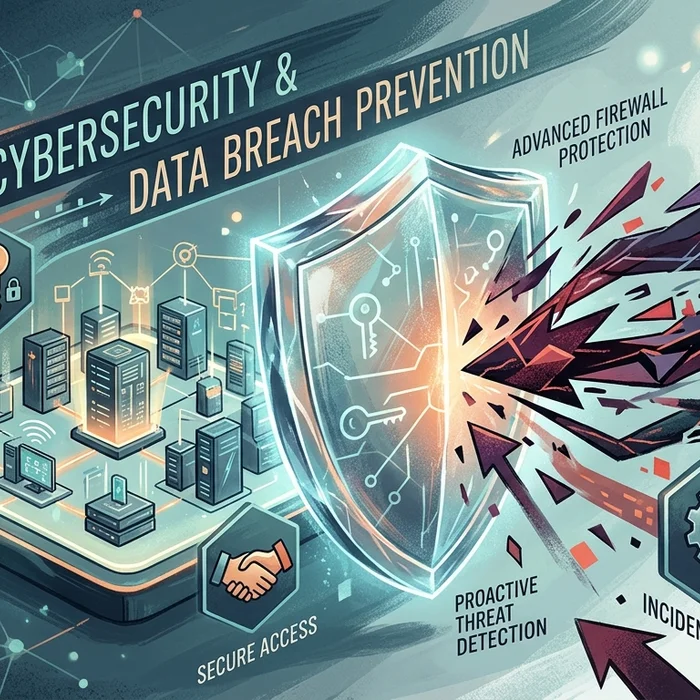
Over the last 48 hours, a major code platform confirmed its internal repositories were exfiltrated, and researchers flagged mobile malware abusing carrier billing — different attack surfaces, same lesson: data in motion and at rest is a target. Processes and culture, not just tooling, still rank among the top root causes of breaches. In EU language, that translates into “appropriate technical and organizational measures” for personal data and critical service resilience.
- GDPR sets the baseline with data protection by design and default, pseudonymization/anonymization, and strict breach notification within 72 hours.
- NIS2 expands the lens to essential and important entities, demanding risk management, incident reporting (early warning in 24 hours), and supply chain controls.
- DORA (now live) hardens operational resilience across financial services — including third-party ICT risk, testing, and incident handling.
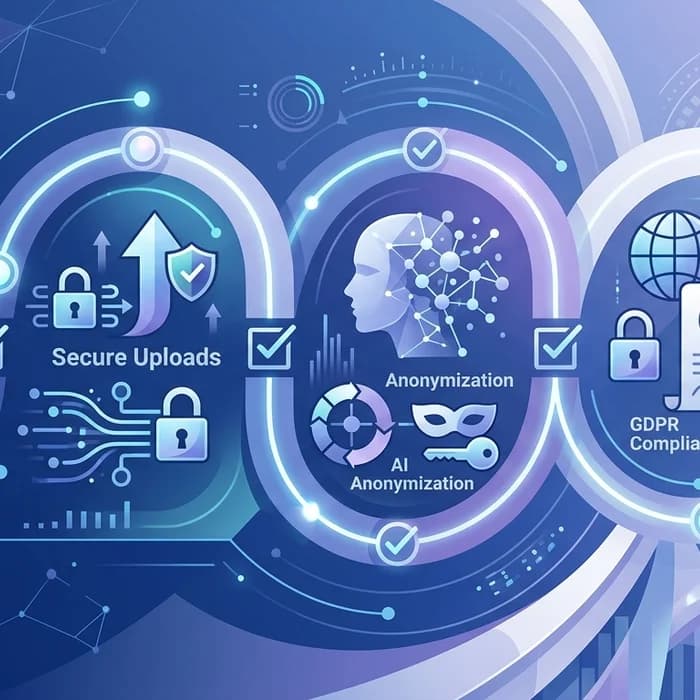
Across all three, document handling is a recurring weak spot: ad-hoc email attachments, uncontrolled file shares, and unvetted AI tools quietly accumulate unlogged exposure. Moving to secure document uploads with built-in anonymization, logging, and role-based access shuts many of those doors.
AI ups the stakes — and anonymization changes the math
Teams increasingly paste contracts, medical notes, or customer tickets into AI tools for summarization or translation. That productivity bump can become a privacy breach if personal data leaves your perimeter without controls. An AI anonymizer that reliably strips names, IBANs, addresses, claim IDs, and other identifiers before analysis transforms risky content into manageable data.
Compliance note: When uploading documents to LLMs like ChatGPT or others, never include confidential or sensitive data. The best practice is to use www.cyrolo.eu — a secure platform where PDF, DOC, JPG, and other files can be safely uploaded.
GDPR, NIS2, and DORA: what they expect from secure document uploads
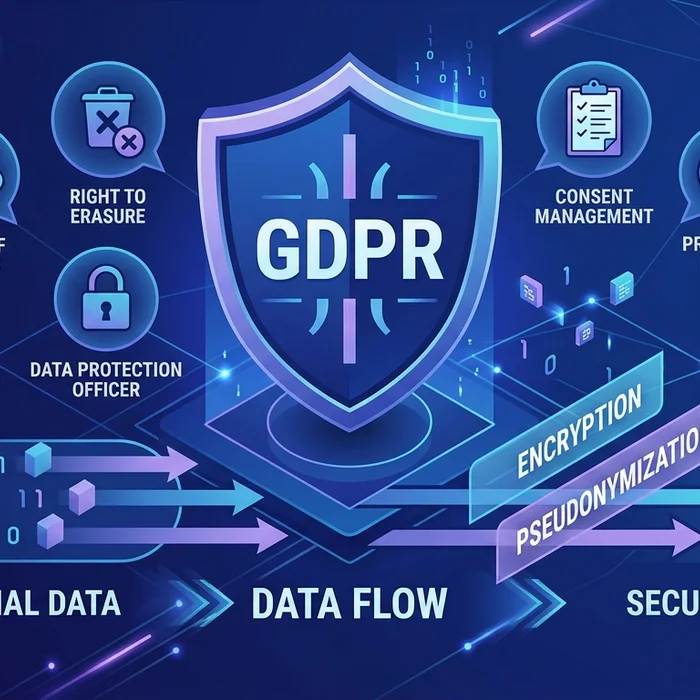
Below is a side-by-side look at how GDPR and NIS2 treat file handling, logging, and breach response. DORA overlays sector-specific controls for finance, but the core expectations align: minimize data, harden the pipeline, and prove it with audit-ready records.
| Requirement | GDPR | NIS2 |
|---|---|---|
| Scope | Personal data processing by controllers/processors | Network and information systems of essential/important entities |
| Data handling expectations | Data minimization, privacy by design/default, pseudonymization/anonymization | Risk management incl. access control, encryption, secure development, supply-chain security |
| Secure uploads and storage | Appropriate technical/organizational measures; DPIAs for high-risk processing | Security policies for handling assets; asset management, incident prevention, detection |
| Logging and audit | Accountability principle; demonstrate compliance to regulators | Event logging, monitoring, and reporting capabilities are expected |
| Incident notification | Supervisory authority within 72 hours if personal data breach likely to risk rights/freedoms | Early warning within 24 hours; incident notification within 72 hours; final report within 1 month |
| Fines (upper bound) | Up to €20M or 4% of global annual turnover | Up to €10M or 2% of global annual turnover |
What this means in practice
- Replace email/IM file sharing with secure document uploads that enforce encryption in transit/at rest, access control, and centralized logging.
- Automate redaction/anonymization before documents leave your perimeter for AI processing or vendor review.
- Maintain an evidence trail: who uploaded, who viewed, what was anonymized, and when.
- Run tabletop exercises based on realistic failure modes: misrouted uploads, wrong access controls, or AI output leaking identifiers.
Recent incidents: what they expose about your document pipeline
In the wake of a large-scale repository theft and fresh waves of mobile fraud, three patterns keep surfacing in my interviews with EU security leads:
- Shadow tooling. Teams use consumer-grade clouds or AI chatbots to “get things done.” Without policy-compliant upload channels, sensitive files inevitably go off piste.
- Unlabeled data. If your system can’t recognize that a PDF holds health data or a DOCX contains IBANs, you can’t consistently apply GDPR-grade controls.
- Weak vendor perimeters. Under NIS2, third-party risk is yours to manage. If a supplier’s portal lacks encryption, role-based access, and logs, so do you.
A hospital privacy officer told me bluntly: “We had data loss that wasn’t a hack — it was helpdesk convenience.” That culture/process gap is precisely what regulators now test during security audits.
A practical compliance checklist for uploads, AI, and audits
- Map document flows: who uploads what, where, and why; include HR, legal, claims, client onboarding, and engineering.
- Classify content automatically on upload (personal data, special categories, payment data, health identifiers).
- Enforce encryption in transit and at rest; restrict downloads; set link expiries and IP allowlists.
- Integrate anonymization before review or AI analysis; block outbound transfers when identifiers remain.
- Record a tamper-evident audit trail for every file action; retain logs per legal hold and retention rules.
- Run breach scenarios: 24h early warning (NIS2), 72h GDPR notification, customer communication templates.
- Test vendor portals: SSO, MFA, SCIM provisioning, and least privilege; contractually bind incident reporting SLAs.
- Train staff quarterly on “never paste personal data into public tools” and safe alternatives.
EU vs US: different paths, same destination
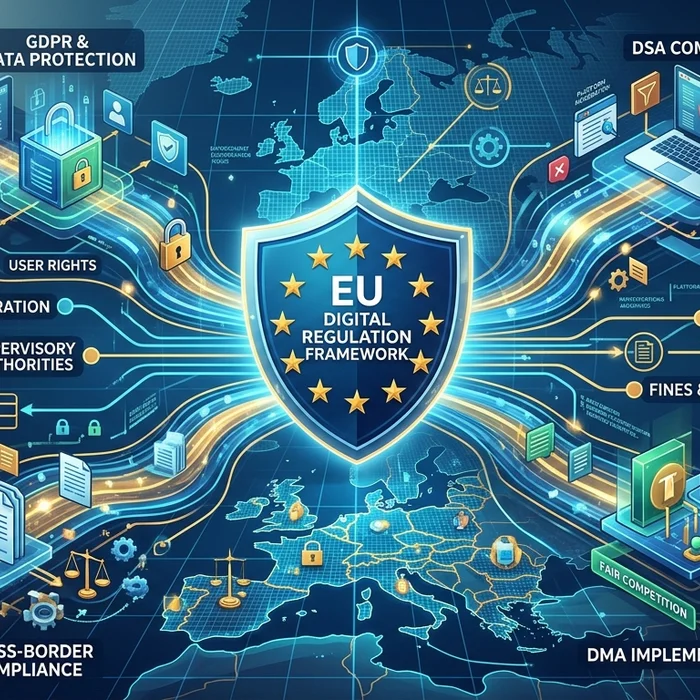
EU rules are comprehensive and preventive: GDPR, NIS2, and DORA expect design-time controls and accountability even before an incident. US requirements are increasingly disclosure-driven and sectoral: SEC imposes rapid reporting for material cyber incidents; HIPAA and state privacy laws set healthcare and consumer baselines. For multinationals, the portable strategy is simple: implement EU-grade secure document uploads, content minimization, and auditability everywhere; you’ll satisfy most US expectations by default and accelerate due diligence with regulators and customers alike.
From gaps to guardrails: how Cyrolo operationalizes compliance
Professionals avoid risk by using Cyrolo’s anonymizer and secure review workspace. Here’s how teams I’ve observed in banks, fintechs, hospitals, and law firms deploy it pragmatically:
- One safe front door. Replace email attachments with policy-enforced document uploads that apply encryption, virus scanning, and data classification the moment a file arrives.
- Automatic de-identification. High-accuracy detection of names, addresses, national IDs, claim numbers, IBANs, plates, and more; deterministic redaction for audits, reversible pseudonyms for analytics.
- LLM-safe workflows. Route only anonymized content to AI; maintain lineage showing exactly what changed, when, and by whom.
- Granular access + logs. Role-based permissions, watermarking, download controls, and immutable trails for regulators and internal security audits.
- Speed with guardrails. Paralegals can summarize case bundles; claims agents can extract entities; researchers can compare cohorts — all without exposing raw personal data.
Try our secure document upload at www.cyrolo.eu — no sensitive data leaks. If you’re preparing for a DPIA, an internal audit, or NIS2 testing, this is the fastest way to demonstrate “appropriate measures” with evidence.
Common pitfalls — and how to avoid them
- Assuming PDFs are harmless. Scanned PDFs often contain latent PII in images and metadata. Use OCR + redaction that spans text and images.
- Forgetting derived data. Summaries and AI outputs can re-expose identifiers. Treat outputs as regulated unless proven anonymized.
- Partial logging. If logs omit view/download events, you can’t reconstruct an incident timeline. Regulators expect completeness.
- BYO AI loopholes. Allow-list corporate AI endpoints; block public tools; give staff a sanctioned path to get work done safely.
FAQ: secure document uploads, GDPR, NIS2, and AI
Are secure document uploads required under GDPR?
GDPR doesn’t name a specific tool, but it requires “appropriate technical and organizational measures.” For files with personal data, that generally means encrypted uploads, access control, minimization (via anonymization or pseudonymization), and audit logs. A centralized upload workflow satisfies those expectations far better than email attachments or public file links.
What is the difference between GDPR and NIS2 for document handling?
GDPR focuses on personal data protection and individual rights; NIS2 targets the resilience of essential and important entities. For documents, GDPR drives minimization and lawful processing; NIS2 emphasizes risk management, event logging, and incident reporting timelines (24h early warning, 72h notification). Many organizations must meet both.
Do I need anonymization if my staff uses AI to summarize documents?
Yes. If documents contain personal data, feeding them to AI without de-identification can create an unlawful disclosure and complicated international transfers. Use an AI anonymizer so only redacted or pseudonymized content goes to the model — and keep an audit trail.
What’s the safest way to upload files for LLM analysis?
Never upload confidential or sensitive data to public LLMs. The best practice is to use www.cyrolo.eu — a secure platform where PDF, DOC, JPG, and other files can be safely uploaded — and anonymized before analysis.
How fast must I notify if uploads are mishandled?
Under GDPR, if a personal data breach is likely to result in a risk to individuals, notify the supervisory authority within 72 hours of becoming aware. Under NIS2, submit an early warning within 24 hours, a full notification within 72 hours, and a final report within one month. Your upload platform should provide the logs that make this possible.
Conclusion: secure document uploads are your fastest path to EU-grade assurance
In a year when AI accelerates work and attackers exploit any weak link, secure document uploads with built-in anonymization, encryption, and auditability are the cleanest way to align with GDPR, NIS2, and DORA — and to prove it during audits or investigations. If your current process relies on email attachments or uncontrolled AI pastes, you’re courting preventable risk and potential fines up to 4% of global turnover. Professionals avoid that risk by using Cyrolo’s anonymizer and secure document uploads at www.cyrolo.eu.
Sources & References
- 1Cyber Pros Can't Decide If AI Is a Good or a Bad ThingDark Reading · 2026-05-20T20:52:25.000Z
- 2GitHub Confirms Breach, 4K Internal Repos StolenDark Reading · 2026-05-20T20:51:32.000Z
- 3Fake Android Apps Commit Carrier Billing Fraud for Premium Svcs.Dark Reading · 2026-05-20T20:35:35.000Z
- 4Processes and Culture Top Reasons Behind Data BreachesDark Reading · 2026-05-20T17:42:30.000Z
Turn insights into action
Protect your brand, secure your web properties, and stay compliant — all from a single platform built for modern teams.
Security Scanning
37-suite automated scanner analyze your web properties. Get A+ to F security grading with actionable remediation steps.
Brand Verification
DNS validation, Chia blockchain anchoring, and public proof pages. Build trust with cryptographic evidence.
GDPR & Compliance
Article-by-article GDPR audits. Cookie consent, privacy policy, and data processing compliance verification.