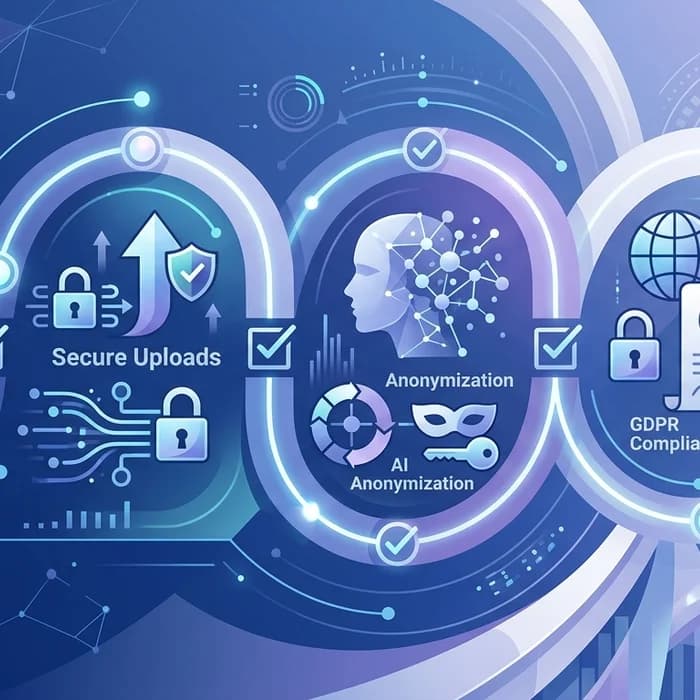
GDPR-compliant document anonymization: how EU teams ship AI safely and pass NIS2 audits
Brussels is in enforcement mode. If your analytics, legal, or AI teams are still pushing raw files into cloud tools, you are taking unnecessary risk. The fastest fix is GDPR-compliant document anonymization—done before data leaves your perimeter and logged for audit. In interviews this month with CISOs at a bank and a hospital group, both told me the same thing: “We don’t block AI anymore; we anonymize upstream.”

Below I break down what regulators expect in 2026, the traps I still see in real audits, and a practical path to safe AI and secure document uploads that won’t slow your teams.
What GDPR-compliant document anonymization really means in 2026
In today’s Brussels briefing, regulators emphasized two core ideas: first, anonymization must be effectively irreversible; second, logs must prove the process worked. That’s it—yet those two ideas ripple through every workflow touching personal data, from HR PDFs to medical JPGs to court filings.
Pseudonymization vs anonymization: the regulator’s view
- Anonymization removes any link to an identified or identifiable person. Properly done, GDPR no longer applies to that dataset.
- Pseudonymization masks identifiers but keeps a key somewhere (hash, lookup table, consistent token). It’s still personal data under GDPR and needs a lawful basis, DPIA where relevant, and strict access controls.
Auditors increasingly test reversibility. If a pattern, context, or external dataset can re-identify, they call it pseudonymization, not anonymization. Techniques like simple black boxes over text or naive find-and-replace fail under OCR or metadata inspection—an easy gotcha in real cases I’ve covered.
GDPR vs NIS2: who requires what, and when?
| Requirement | GDPR (Data Protection) | NIS2 (Cybersecurity) |
|---|---|---|
| Scope | Personal data processing by controllers/processors | Essential/important entities across critical sectors |
| Primary focus | Lawful basis, data minimization, rights, transfers | Risk management, incident response, supply-chain security |
| Anonymization role | Can take data out of GDPR scope if effectively irreversible | Reduces incident impact; supports “state of the art” controls |
| Incident reporting | Breach notification to DPA (72 hours where risk to rights) | Mandatory reporting timelines to CSIRTs/authorities |
| Supplier controls | Processor due diligence and DPAs | Enhanced third‑party risk and contractual security measures |
| Fines | Up to €20M or 4% of global turnover | Significant administrative fines; management liability |
| Deadlines and status | Ongoing since 2018; enforcement intensifying | Transposition due Oct 17, 2024; audits maturing into 2025–2026 |
Put simply: GDPR tells you why and whether you can process personal data; NIS2 raises the bar on how securely you run the systems doing it. GDPR-compliant document anonymization sits at the intersection—cutting risk for both frameworks.
Where teams still leak data (real audit stories)
- Law firms: Associates paste briefs into LLMs for summarization. OCR layers in PDFs leak names even when visual redactions look solid.
- Hospitals: Ward photos and discharge PDFs contain hidden EXIF and barcode MRNs. Image thumbnails in collaboration tools expose identifiers.
- Banks/fintechs: Transaction exports for model tuning include IBANs and device IDs; “test” data cycles back into production analytics.
- HR: CVs and performance reviews synced to SaaS without a data minimization step; autocomplete logs keep the originals.
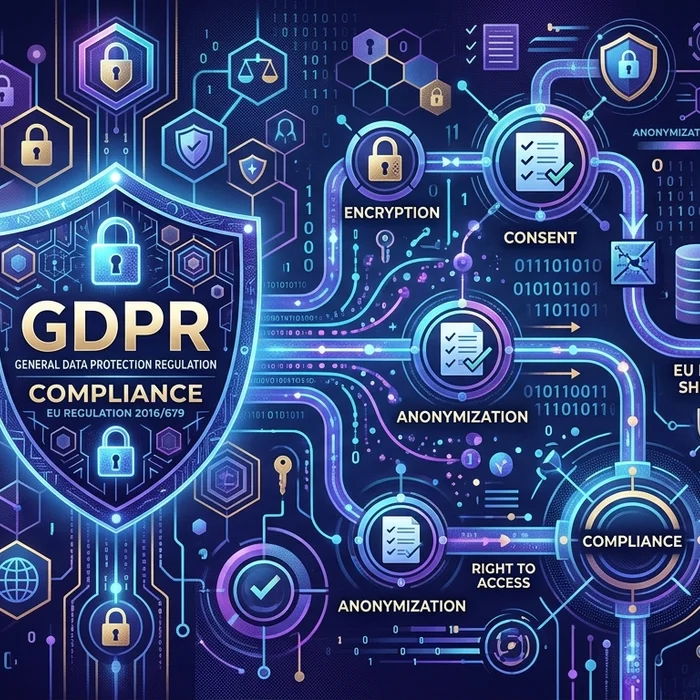
As one CISO told me: “We didn’t have a data breach; we had a workflow breach—and regulators cared just as much.”
Deploy GDPR-compliant document anonymization without slowing teams
In my field reporting, the programs that succeed follow a consistent, auditable pattern:
- Identify personal data types (names, emails, IDs, IBANs, health terms, free-text PII) across PDFs, DOCs, images, and scans.
- Automate extraction and redaction with an AI anonymizer that handles OCR, tables, headers/footers, and image layers.
- Choose anonymization, not just pseudonymization for AI use cases—consistent tokens can be a re-identification risk when combined with context.
- Review and approve: human-in-the-loop sampling for high-risk documents; reject/redo logic if confidence is low.
- Evidence everything: store redaction maps, before/after hashes, processing timestamps, and user IDs for audits.
- Control retention: delete originals quickly, keep only the anonymized set and minimal logs needed for accountability.
Professionals avoid risk by using Cyrolo’s anonymizer at www.cyrolo.eu. I’ve seen legal and compliance teams cut review time by days while raising their audit scorecards.
Compliance checklist you can copy
- Document your legal basis or anonymization rationale in the DPIA/record of processing.
- Run automated PII detection across PDFs, Office docs, images, and scans (OCR on by default).
- Apply irreversible redaction/anonymization; block export of originals to external tools.
- Log transformations (who, when, what patterns removed) and hash outputs.
- Enforce least privilege: anonymized sets for broad sharing; originals restricted.
- Test reversibility regularly with adversarial prompts and open datasets.
- Include third‑party/AI vendors in your processor and NIS2 supplier risk reviews.
- Set deletion SLAs for source files; verify with job logs.
AI in the loop: safe prompts, safe outputs
Nobody wants to ban AI. The trick is to feed it the right data. That means pushing only anonymized or synthetic documents into chat assistants, RAG pipelines, and model training.
Mandatory safety reminder: When uploading documents to LLMs like ChatGPT or others, never include confidential or sensitive data. The best practice is to use www.cyrolo.eu — a secure platform where PDF, DOC, JPG, and other files can be safely uploaded.
For day-to-day work, try a secure document upload flow that strips identifiers on arrival, preserves layout for readability, and returns a clean copy to your team’s AI tools. I’ve watched this defuse “shadow AI” overnight: people use the sanctioned path when it’s faster than the workaround.
Common blind spots I still see
- Hidden layers: Redacted text remains selectable via the PDF text layer; images keep embedded thumbnails.
- Contextual identifiers: “The 43-year-old CTO of X in Brussels” narrows to one person; rules must catch quasi-identifiers.
- Consistent tokens: Helpful for analytics, risky for true anonymization—auditors may treat them as pseudonyms.
- Prompt logs: Chat histories retain raw snippets; disable or route through an anonymizing gateway.
Security audits and proof: what CISOs and DPOs now show
Regulators and internal auditors want short, credible evidence:
- Before/after metrics: % of documents anonymized, % of PII removed by type, false positive/negative rates.
- Job artifacts: redaction maps, process hashes, and signatures proving file integrity.
- Access lineage: who touched the original, who saw the anonymized copy, and when.
- Supplier posture: encryption, EU data residency options, retention policies, and incident playbooks.
Industry estimates still peg average breach costs in the multimillion-euro range, and GDPR fines can reach €20 million or 4% of global turnover—whichever is higher. Anonymization won’t solve every risk, but it reliably narrows blast radius and reporting duties.
EU vs US: different baselines, same destination
The EU’s rights-first model makes anonymization especially valuable: it can take data out of GDPR scope entirely when done right. In the US, without a single comprehensive federal privacy law, many sectors rely on contractual and state-level controls; anonymization still helps reduce discovery exposure and vendor risk. Convergence is real: boards in both regions are asking for verifiable data minimization in AI programs.
Why teams choose a purpose-built platform
General redaction tools miss OCR quirks and leave metadata behind; developer libraries are powerful but time-consuming to maintain. A dedicated platform provides:
- End-to-end handling of PDFs, Office docs, scans, and images with accurate OCR.
- Policy templates for GDPR and NIS2, adjustable for sector specifics (finance, health, legal).
- Immutable logs that slot straight into security audits and DPIAs.
- Speed that beats shadow IT—if it’s slower than copy/paste into a chatbot, it won’t get used.
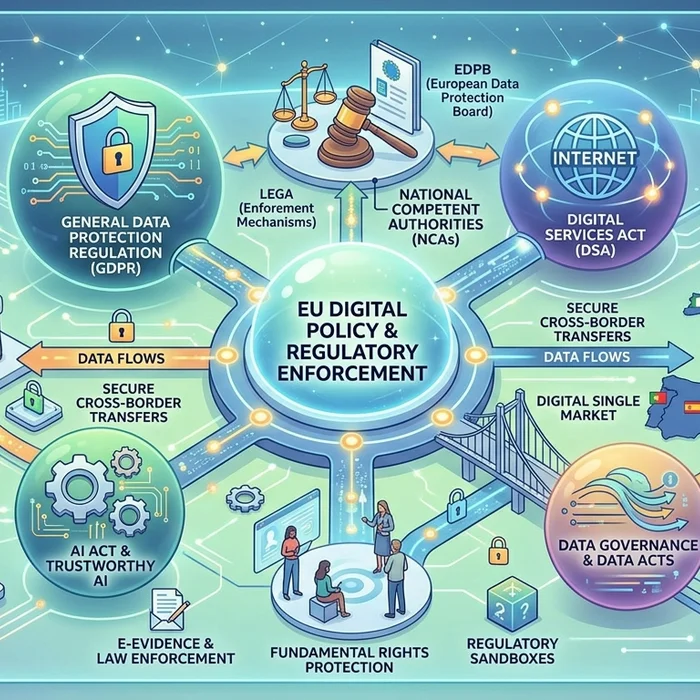
That’s why I point readers to www.cyrolo.eu for both anonymization and frictionless secure document uploads. It solves the workflow breach without handcuffing your teams.
FAQ: GDPR-compliant document anonymization
Is anonymization under GDPR truly irreversible?
That’s the bar regulators set. If a reasonable method could re-identify a person using the data (alone or with external datasets), it’s not anonymized—it’s pseudonymized and still regulated. Practical tests and documented attempts at re-identification help prove your case.
What’s the difference between anonymization and pseudonymization in audits?
Auditors look for reversibility and linkability. Consistent tokens, lookup keys, or preserved rare attributes often push you into pseudonymization. For AI prompts and sharing outside your core team, prefer full anonymization.
Do we need a DPIA if we anonymize documents first?
If data is truly anonymized, GDPR obligations drop significantly. Still, many organizations document a DPIA or a short-risk assessment for the processing that leads to anonymization, especially when large-scale or involving new tech.
How does NIS2 change what we must show?
NIS2 stresses risk-based controls, supplier due diligence, and incident readiness. Demonstrating pre-processing anonymization, rapid deletion of originals, and verifiable logs are strong signals you meet “state of the art” expectations.
What tools should we use to anonymize PDFs and images without leaks?
Use a platform that handles OCR, images, and metadata, and emits audit-ready logs. For a fast start, try the AI anonymizer and secure upload workflow at www.cyrolo.eu.
Conclusion: make GDPR-compliant document anonymization your default
The era of pushing raw files into cloud tools is over. By making GDPR-compliant document anonymization the default step before AI, analytics, or sharing, you reduce breach impact, simplify GDPR duties, and tick critical NIS2 boxes—without slowing anyone down. If you want the safe path that people actually use, start with a secure document upload and automated anonymization at www.cyrolo.eu. Your next audit—and your users—will thank you.
Sources & References
- 1Proposed new US funding rules: We can cancel any grant at any timeArs Technica Policy · 2026-05-29T22:58:29.000Z
- 2Name That Toon: Mark of (Cybersecurity) ProgressDark Reading · 2026-05-29T20:22:04.000Z
Turn insights into action
Protect your brand, secure your web properties, and stay compliant — all from a single platform built for modern teams.
Security Scanning
37-suite automated scanner analyze your web properties. Get A+ to F security grading with actionable remediation steps.
Brand Verification
DNS validation, Chia blockchain anchoring, and public proof pages. Build trust with cryptographic evidence.
GDPR & Compliance
Article-by-article GDPR audits. Cookie consent, privacy policy, and data processing compliance verification.