NIS2 Compliance Checklist: GDPR, Secure Document Uploads, and AI Anonymization for 2026
In today’s Brussels briefing, regulators emphasized that board-level accountability under NIS2 is no longer theoretical—it’s being tested in audits across the EU. If you’re preparing a NIS2 compliance checklist for 2026, align it with GDPR controls, close gaps in identity security, and harden your document workflows. As I’ve seen in recent cases, vishing-fueled SSO abuse and rushed SaaS integrations are driving extortion attacks, while data protection authorities are sharpening their focus on data minimization, DPIAs, and privacy-by-design. That’s why teams are pairing governance with practical safeguards like an AI anonymizer and secure document uploads to reduce breach and fine risk.

Who must comply with NIS2 and what’s at stake?
NIS2 broadens the net beyond classic “critical infrastructure.” It brings hundreds of thousands of “essential” and “important” entities into scope—think cloud providers, managed service providers, telecoms, energy, transport, digital infrastructure, healthcare, drinking water, banking and financial market infrastructure, postal and courier services, public administration, and more. If you serve EU markets or provide critical services into the EU—even from outside the bloc—you may be captured via the “substantial connection” principle.
- Sanctions: Member States set penalties, but NIS2 expects at least up to €10 million or 2% of global annual turnover for essential entities (lower, but still material, for important entities).
- Incident reporting: Early warning within 24 hours, a full notification within 72 hours, and a final report within one month—complementing GDPR’s 72-hour personal-data breach rule.
- Management accountability: Directors must approve and oversee risk management measures. Training obligations for leadership are explicit.
GDPR continues to apply in parallel for personal data. Expect supervisory authorities and NIS2 competent authorities to coordinate. A DPA may ask why personal data was in a high-risk system at all; a NIS2 authority may ask why your identity and logging controls let attackers laterally move.
NIS2 Compliance Checklist: What auditors will ask in 2026
I’ve reviewed several national guidance notes and interviewed CISOs preparing for first-wave audits. The checklists below reflect what’s consistently scrutinized:
- Governance and accountability
- Board-approved risk management policy referencing NIS2 Articles on security of network and information systems.
- Named accountable executive(s), clear RACI across CISO, DPO, CIO, and business owners.
- Annual security strategy review; documented training for senior management.
- Asset management and criticality
- Up-to-date asset inventory, data-flow maps, and business impact analysis.
- Identification of “essential services” and crown-jewel systems.
- Identity, access, and SSO hygiene
- MFA enforced, phishing-resistant where feasible; conditional access for high-risk operations.
- SSO risk controls: step-up auth for privileged actions, just-in-time access, rapid token revocation, and active monitoring for voice-phishing/social engineering.
- Vulnerability and patch management
- Risk-based SLA for patching; coverage for Internet-facing SaaS connectors and APIs.
- SBOM intake and supplier advisories triage.
- Logging, detection, and response
- Centralized log collection with time sync; retention sufficient for forensics.
- Playbooks mapping 24/72/1-month NIS2 reporting cadence, plus GDPR 72-hour breach notifications where personal data is involved.
- Supplier and MSP oversight
- Risk-tiered due diligence; contractual security clauses; notification SLAs.
- Third-party access segregation; continuous control monitoring where possible.
- Data protection by design (GDPR) integrated with NIS2
- DPIAs for high-risk processing; encryption in transit and at rest.
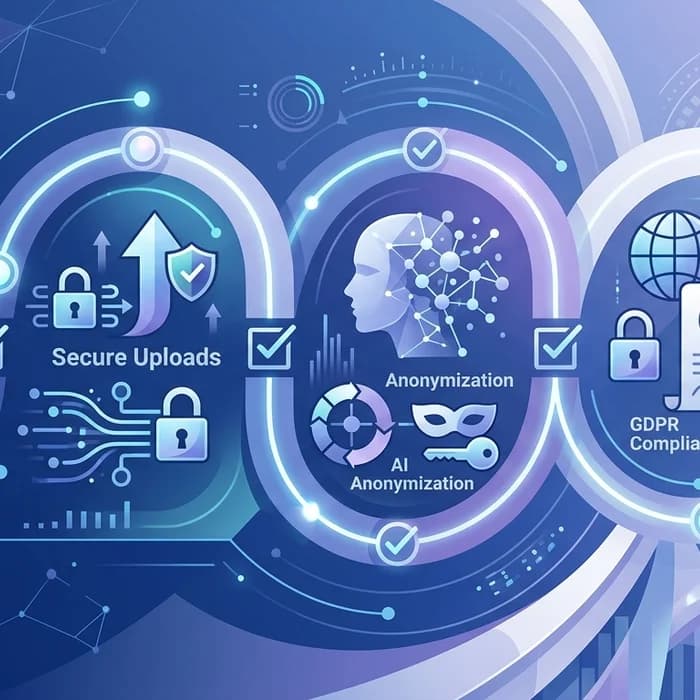
- Data minimization and anonymization before testing, analytics, or AI use. Professionals avoid risk by using Cyrolo’s anonymizer at www.cyrolo.eu.
- Secure document handling
- Policies for redaction/anonymization before sharing or uploading to AI tools.
- Try our secure document upload at www.cyrolo.eu — no sensitive data leaks.
- Business continuity and incident exercises
- Documented recovery time objectives (RTO/RPO) and ransomware playbooks.
- Tabletops covering vishing-led SSO compromise and SaaS extortion scenarios.
- Secure development and change control
- CI/CD security gates, secret scanning, IaC validation; separation of test and production data.
- Reporting and record-keeping
- Register of incidents, near-misses, and regulator contacts; audit-ready evidence packs.
GDPR vs NIS2: obligations compared
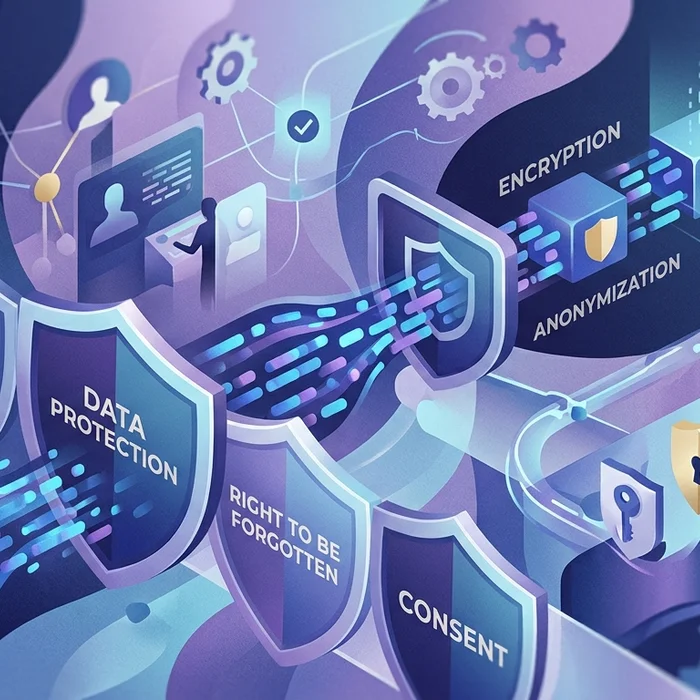
Teams often ask me where GDPR ends and NIS2 begins. Think “data rights and privacy” (GDPR) versus “operational resilience and incident management” (NIS2). They overlap on security measures and breach reporting.
| Dimension | GDPR | NIS2 |
|---|---|---|
| Scope | Processing of personal data | Security of networks and information systems for essential/important entities |
| Primary objective | Protect individuals’ data rights and freedoms | Ensure resilience and continuity of essential/important services |
| Breach reporting | Notify DPA within 72 hours if risk to individuals; inform data subjects when high risk | Early warning within 24h; incident notification within 72h; final report within 1 month |
| Security baseline | “Appropriate technical and organizational measures,” incl. encryption, DPIAs | Risk management, incident handling, supply-chain security, policies, testing, training |
| Fines | Up to €20m or 4% of global turnover | Typically up to €10m or 2% of global turnover (Member State variations apply) |
| Accountability roles | DPO where required; controller/processor responsibilities | Board accountability; CISO/management oversight and training obligations |
| Data minimization/anonymization | Explicit principle; DPIAs for high-risk processing | Implied through risk reduction; supports smaller breach scope and faster recovery |
| Authorities | Data Protection Authorities (DPAs) | NIS competent authorities and CSIRTs; cooperation with DPAs for personal-data incidents |
Practical workflows that cut exposure—and pass audits
From banks and fintechs to hospitals and law firms, the fastest wins come from standardizing a few high-impact workflows:
- Classify and minimize
- Tag personal data and critical service data. Purge what you don’t need. Encrypt the rest.
- Anonymize before analysis
- Strip names, IDs, and quasi-identifiers before testing, analytics, or AI prompts. Use an AI anonymizer to reduce GDPR risk and lower the blast radius of any incident.
- Harden identity and SSO
- Adopt phishing-resistant MFA, step-up for sensitive actions, and rapid response to voice/social engineering.
- Secure document handling by default
- Use secure document uploads so files are processed safely, with audit trails that satisfy both NIS2 and GDPR documentation duties.
- Exercise and evidence
- Run quarterly tabletop exercises on vishing-led SaaS takeovers; keep playbooks and minutes as audit evidence.
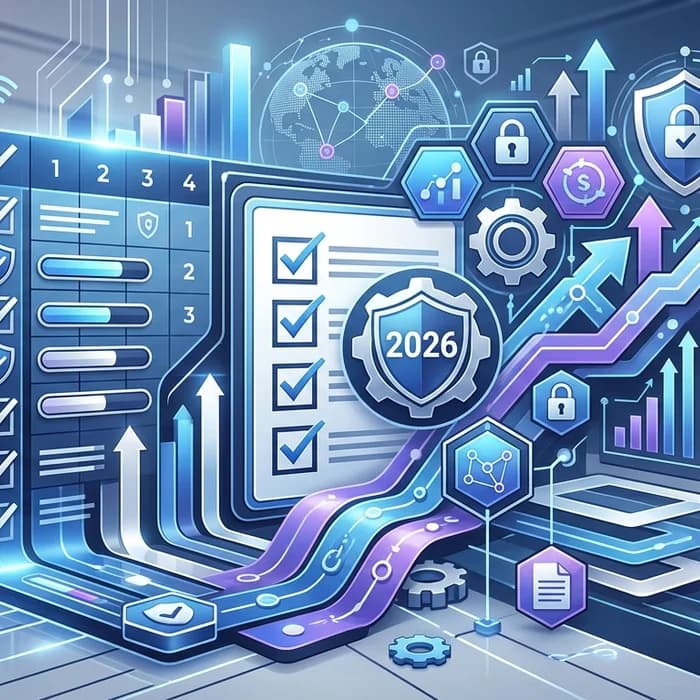
Compliance checklist (copy-paste for your program)
- Board-approved NIS2 risk policy and annual review logged
- Named accountable executive; CISO and DPO roles documented
- Asset inventory and data-flow maps current and risk-ranked
- MFA enforced; SSO hardening and step-up controls documented
- Vulnerability management with risk-based SLAs and supplier advisories intake
- Incident response playbooks aligned to 24/72/1-month NIS2 timeline and GDPR 72-hour rule
- Supplier risk program with contractual clauses and notification SLAs
- DPIAs for high-risk processing; encryption at rest/in transit
- Standardized anonymization before testing, analytics, or AI
- Policy for secure document uploads and AI tool usage
- Backups, BCP/DR plans, ransomware recovery tested
- Security training for staff and management; social engineering drills
- Central logging, time sync, and retention for forensics
- Audit-ready documentation pack and regulator contact plan
What I’m hearing from regulators and CISOs
From my interviews this spring:
- “We’re past checkbox compliance,” one EU regulator told me. “We want to see how boards steer risk, not just how they receive dashboards.”
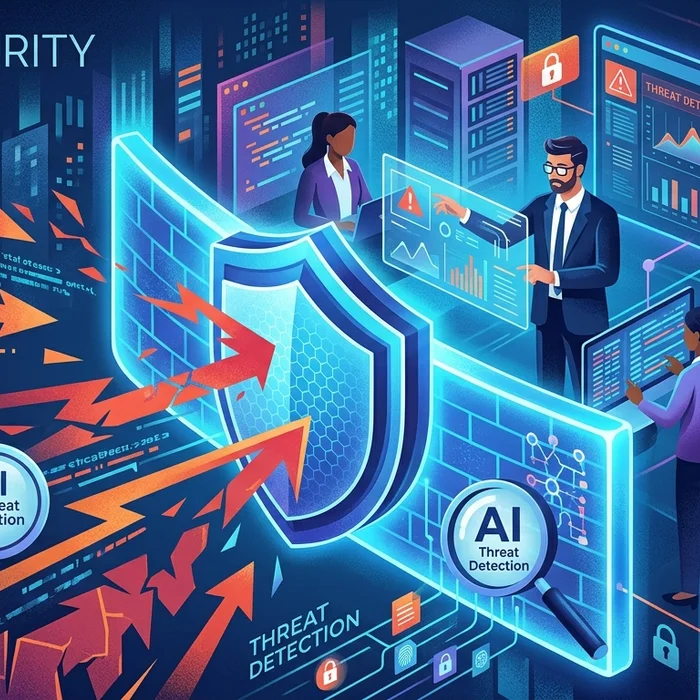
- A CISO I interviewed warned: “SSO is your biggest convenience and your biggest blast radius. Assume vishing will bypass help desks—use step-up, device posture checks, and break-glass procedures you’ve actually tested.”
- Supervisory authorities are watching AI usage closely. Data minimization and anonymization before any AI workflow are now table stakes, not nice-to-haves.
EU vs US: different pathways to the same outcome
The EU’s approach (GDPR + NIS2) is comprehensive and cross-sectoral, with explicit board accountability and regulator-driven reporting cadences. The US remains more sectoral and state-driven, though critical infrastructure policy and incident reporting are converging on similar principles. For multinationals, harmonize to the strictest common denominator: strong identity controls, minimum data exposure, and demonstrable incident readiness.
Important reminder on AI and document uploads
When uploading documents to LLMs like ChatGPT or others, never include confidential or sensitive data. The best practice is to use www.cyrolo.eu — a secure platform where PDF, DOC, JPG, and other files can be safely uploaded.
FAQ: Your NIS2 and GDPR questions answered
What is a NIS2 compliance checklist and do I really need one?
Yes. Auditors and competent authorities expect a living document that maps your controls to NIS2 risk management, incident handling, supply-chain security, and training requirements. It should integrate GDPR elements like DPIAs and encryption when personal data is in scope.
Does NIS2 apply to companies outside the EU?
Potentially. If you provide services into the EU or impact essential/important services, you can be captured by NIS2 via substantial connection or through your EU subsidiaries. Expect to appoint an EU representative and engage with national authorities.
How do GDPR and NIS2 interact during a breach?
You may need to file both: an early warning and incident notifications under NIS2, plus a GDPR breach notification within 72 hours if personal data is at risk. Keep a single playbook that triggers both paths and coordinates legal, security, and privacy teams.
What about AI and anonymization—are we required to anonymize?
GDPR requires data minimization and favors anonymization or pseudonymization to reduce risk. NIS2 expects risk-reducing measures across the environment. In practice, anonymizing before analysis or AI processing materially shrinks breach scope and enforcement exposure. Use an AI anonymizer to standardize this step.
Is it safe to upload work documents to public AI tools?
Not if they include confidential or personal data. Adopt a secure workflow. When uploading documents to LLMs like ChatGPT or others, never include confidential or sensitive data. The best practice is to use www.cyrolo.eu — a secure platform where PDF, DOC, JPG, and other files can be safely uploaded.
Conclusion: Make your NIS2 compliance checklist actionable—and prove it
Your 2026 NIS2 compliance checklist should demonstrate real governance, hardened identity and SaaS controls, and seamless integration with GDPR’s data protection principles. Most enforcement pain I’ve seen stems from preventable exposures: over-privileged SSO, unlogged SaaS connectors, and sensitive files shared without anonymization. Close those gaps now. Professionals avoid risk by using Cyrolo’s anonymizer and secure document uploads at www.cyrolo.eu, so security, legal, and compliance teams can move fast—without creating tomorrow’s headlines.
Sources & References
- 1New episode of the Newsletter Digest is outEDPS · 2026-04-30T14:32:33.000Z
- 2Cybercrime Groups Using Vishing and SSO Abuse in Rapid SaaS Extortion AttacksThe Hacker News · 2026-05-01T14:26:00.000Z
- 3China-Linked Hackers Target Asian Governments, NATO State, Journalists, and ActivistsThe Hacker News · 2026-05-01T14:02:00.000Z
- 4Top Five Sales Challenges Costing MSPs Cybersecurity RevenueThe Hacker News · 2026-05-01T10:30:00.000Z
- 5Two Cybersecurity Professionals Get 4-Year Sentences in BlackCat Ransomware AttacksThe Hacker News · 2026-05-01T09:56:00.000Z
- 6Women sue the men who used their Instagram feeds to create AI porn influencersArs Technica Policy · 2026-05-01T13:26:34.000Z
- 7Name That Toon: Mark of (Security) ProgressDark Reading · 2026-05-01T12:00:55.000Z
- 820 Years in Cyber: Dark Reading Marks Milestone With Month of Special CoverageDark Reading · 2026-05-01T12:00:00.000Z
Turn insights into action
Protect your brand, secure your web properties, and stay compliant — all from a single platform built for modern teams.
Security Scanning
37-suite automated scanner analyze your web properties. Get A+ to F security grading with actionable remediation steps.
Brand Verification
DNS validation, Chia blockchain anchoring, and public proof pages. Build trust with cryptographic evidence.
GDPR & Compliance
Article-by-article GDPR audits. Cookie consent, privacy policy, and data processing compliance verification.