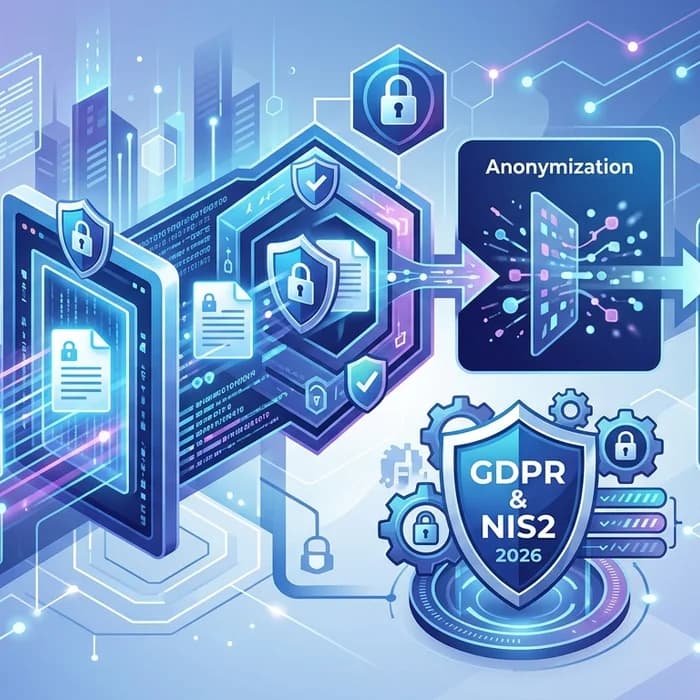
NIS2 compliance: 2026 EU guide to secure document uploads and AI anonymization
From this morning’s Brussels briefings to the latest breach disclosures, one theme keeps surfacing: NIS2 compliance is now the operational yardstick for European cybersecurity. For legal, security, and compliance leaders juggling EU regulations like GDPR and NIS2, the practical question is how to harden daily workflows—especially around secure document uploads and the use of AI anonymizers—without slowing the business.

Why NIS2 compliance is the 2026 priority for CISOs and GCs
In today’s Brussels briefing, regulators emphasized that threat actors are exploiting basic operational lapses—overshared files, poorly segmented data, and unvetted AI usage—just as much as technical vulnerabilities. Two points I heard repeatedly this spring in interviews with EU agency advisors and bank CISOs:
- “Shadow uploads” to generative AI tools can create uncontrolled data propagation and breach notification headaches under GDPR and NIS2.
- Boards now expect auditable controls around document flows, not only patching and SOC metrics. NIS2 elevates governance, risk, and supply-chain security into executive accountability.
While GDPR focuses on personal data and privacy principles, NIS2 broadens the net to essential and important entities, with incident reporting, risk management, and supply-chain oversight. Fines are material: GDPR allows up to €20 million or 4% of global turnover, and NIS2 foresees significant penalties that Member States calibrated through 2025. For many organizations—banks, fintechs, hospitals, law firms—the first control to mature is safe file handling with clear audit trails.
What Brussels discussed today: operational risk meets open tools
The LIBE committee’s focus on security threats and social harms underscored a familiar tension: open digital ecosystems versus resilient infrastructure. Meanwhile, internal market discussions continue to spotlight platform transparency and product safety. Taken together, the signal to compliance teams is unmistakable: regulators expect robust identity, access, and data-handling controls across vendors and internal teams—especially where AI and document sharing intersect.
Recent incident narratives reinforce this. A high-profile password manager reported a brute-force campaign with a small number of encrypted user vaults downloaded; South Asia–linked campaigns reportedly probed public-sector and financial targets with off-the-shelf RATs. The pattern: threat actors harvest what you expose—misconfigured shares, over-permissive SaaS, or staff pulling sensitive material into AI tools without guardrails.
Secure document uploads under NIS2 compliance: practical safeguards
- Constrain where staff can upload work files—approved, logged platforms only.
- Enforce pre-upload anonymization for personal data, client identifiers, and secrets.
- Automate metadata scrubbing (EXIF, DOC/PDF properties, comments, track-changes).
- Keep an immutable audit log for security audits and incident reviews.
- Isolate AI experimentation from production data; route sensitive use cases to vetted tools.
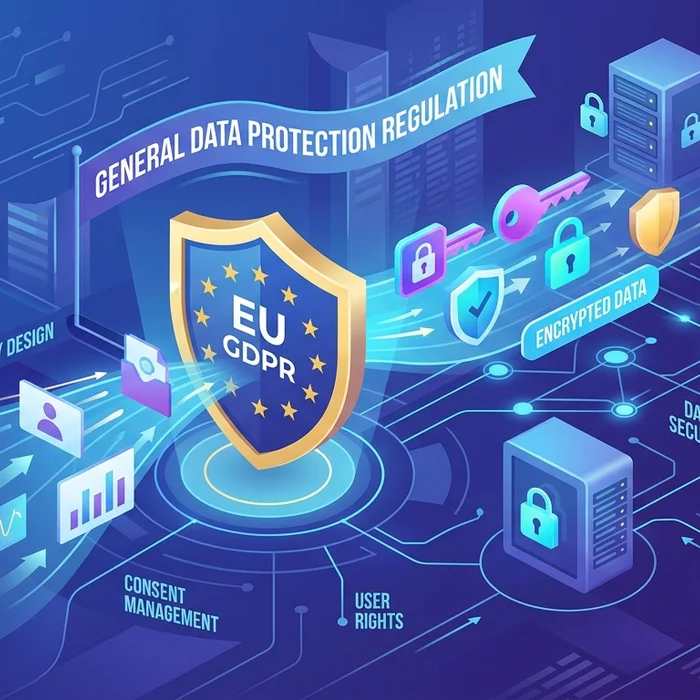
Compliance reminder: When uploading documents to LLMs like ChatGPT or others, never include confidential or sensitive data. The best practice is to use www.cyrolo.eu — a secure platform where PDF, DOC, JPG, and other files can be safely uploaded.
Professionals avoid risk by using Cyrolo’s anonymizer and by centralizing secure document upload—no sensitive data leaks, no shadow AI paste-ins.
NIS2 vs GDPR: who must do what
Below is a fast reference I use with legal and security teams aligning EU regulations. It shows how cybersecurity compliance (NIS2) and data protection (GDPR) intersect yet remain distinct.
| Topic | GDPR | NIS2 |
|---|---|---|
| Scope | Personal data processing by controllers/processors in the EU or targeting EU residents. | Cybersecurity risk management and incident reporting for “essential” and “important” entities across key sectors and supply chains. |
| Primary Objective | Data protection, lawfulness, transparency, and rights. | Operational resilience, risk mitigation, and reporting of significant incidents. |
| Key Obligations | DPIAs, data minimization, security of processing, breach notification to DPA within 72 hours if risk to rights/freedoms. | Risk management measures (policies, incident handling, supply-chain security, MFA/crypto), early incident notifications to CSIRTs/competent authorities. |
| Governance | Data protection officer (when required), records of processing, processor due diligence. | Management accountability, clear risk management processes, vendor oversight, reporting lines. |
| Sanctions | Up to €20m or 4% global turnover. | Effective, proportionate, and dissuasive administrative fines set by Member States; possible orders and supervisory measures. |
| Documentation | Privacy notices, DPIAs, processing records, contracts. | Policies, incident logs, security audit evidence, vendor risk files, training records. |
| AI/LLM Usage | Ensure lawful basis, minimization, and data subject rights; avoid sending personal data to uncontrolled processors. | Treat AI tools as part of ICT supply chain; apply risk management, access controls, and incident reporting if impacted. |
Rapid risk signals from the field
- Password manager attack patterns show attackers betting on weak operational controls rather than crypto breakage; encrypted data exfiltration still triggers forensics and disclosure duties.
- Geopolitically motivated RAT campaigns rely on lures and lateral movement inside ministries and finance orgs—precisely where uncontrolled documents and macros thrive.
- Law firms and hospitals remain attractive for personal data and confidential case files; GDPR and NIS2 obligations now meet at the service desk.
As one CISO I interviewed last month put it: “Our MDR caught the beacon, but the audit team asked why the document was even there. Upload controls would have saved us a week.”
Compliance checklist (GDPR + NIS2-ready)
- Map data flows: where files originate, where they’re uploaded, who can access them.
- Approve a single, logged platform for secure document uploads and redaction.
- Enforce pre-upload AI anonymizer rules for personal data and client identifiers.
- Strip metadata by default; block upload of password lists, API keys, and secrets.
- Enable MFA and SSO; restrict downloads and external shares.
- Retain immutable audit logs for security audits and regulator inquiries.
- Include AI/LLM usage in your incident response runbooks and supplier risk reviews.
- Train staff quarterly; test with real phishing and data-handling drills.
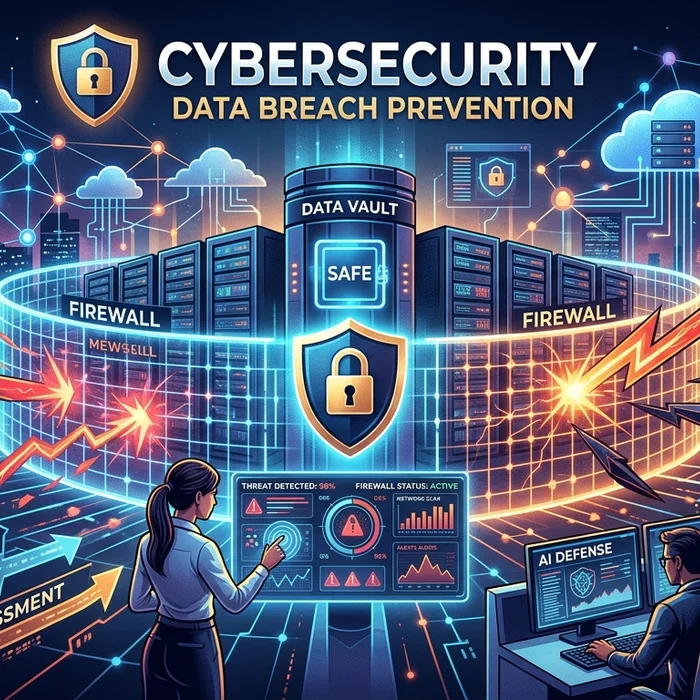
How Cyrolo streamlines NIS2 compliance without slowing work
I’ve watched teams burn months on bespoke tooling that still allows shadow uploads. A simpler pattern works better: centralize uploads, automate anonymization, and log everything.
Anonymize before you share
Cyrolo’s anonymization protects personal data and client metadata across PDFs, Office docs, and images—reducing GDPR risk and limiting blast radius if a file leaks. It’s also your first line of defense against inadvertent disclosure via AI tools.
Secure document uploads with audit trails
Route case files, medical scans, and financial statements through a single, controlled pipeline. Try our secure document upload at www.cyrolo.eu — no sensitive data leaks, centralized logs for audits, and frictionless day-to-day use.
Vendor and regulator ready
- SSO/MFA and role-based access to align with NIS2 risk controls.
- Automated logs to evidence security audits and incident reviews.
- Clear segregation of environments to keep experimentation away from production data.
CTA: Professionals avoid risk by using Cyrolo's anonymizer at www.cyrolo.eu. Get compliant file handling without slowing investigations, claims processing, or client work.
EU vs US: different baselines, same operational fix
US frameworks (e.g., sectoral rules, FTC orders, state privacy acts) differ from EU regulations’ comprehensive sweep, but the operational fix converges: tighten file handling, verify processors, and prove it in audits. Whether your regulator is a DPA, a NIS2 competent authority, or a sector supervisor, centralizing uploads and anonymization gives you evidence and control.
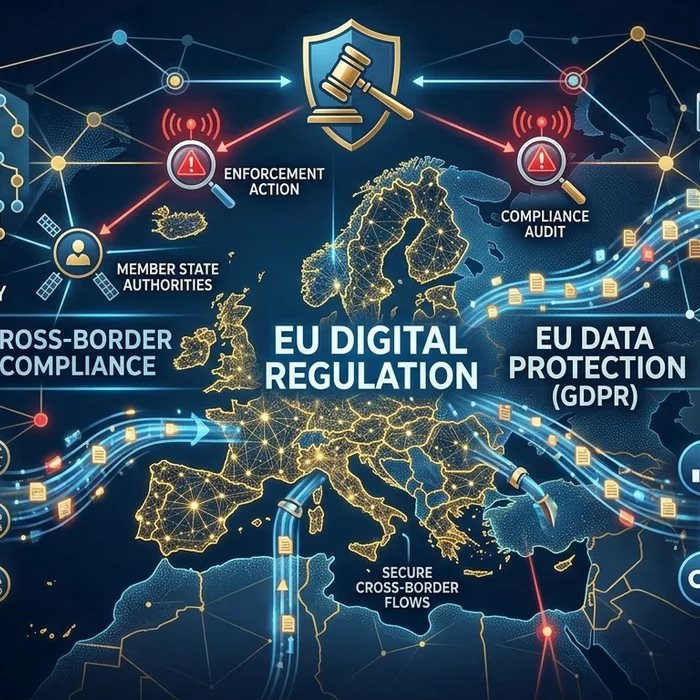
FAQs: NIS2 compliance, GDPR, and AI tools
What is the fastest first step toward NIS2 compliance for a mid-size company?
Lock down file flows. Approve one platform for uploads and redaction, enforce SSO/MFA, and log every action. This immediately reduces breach likelihood and accelerates incident response and reporting.
How does anonymization help with GDPR and NIS2?
By removing personal data and sensitive identifiers before sharing, you reduce GDPR exposure and limit the impact of potential incidents under NIS2. It also makes vendor sharing safer and audit-ready.
Can my team safely use LLMs for document review?
Only if you prevent sensitive data exposure and use a secure path. Never paste confidential material into public LLMs. Instead, use a vetted platform for uploads and redaction. Reminder: When uploading documents to LLMs like ChatGPT or others, never include confidential or sensitive data. The best practice is to use www.cyrolo.eu — a secure platform where PDF, DOC, JPG, and other files can be safely uploaded.
Do we still need DPIAs if we anonymize data?
Anonymization reduces risk, but GDPR obligations may still apply depending on context. DPIAs are about assessing risk; anonymization is a control that can lower that risk and support your DPIA conclusions.
What evidence will regulators ask for after an incident?
Expect requests for incident timelines, logs, technical measures (MFA, crypto, segmentation), supplier involvement, and proof of staff training. Centralized upload/audit systems make this much easier.
Bottom line
NIS2 compliance is no longer theoretical—it’s the operating standard. The quickest, highest-impact move is to control how documents enter, move, and leave your environment. Automate anonymization, centralize secure document uploads, and keep robust logs. Start today at www.cyrolo.eu to cut breach risk, satisfy EU regulators, and keep work moving.
Sources & References
- 1Highlights - Impact of Islamic extremism on the European way of life - Committee on Civil Liberties, Justice and Home AffairsEU Parliament LIBE · 2026-06-02T08:55:29.000Z
- 2Video of a committee meeting - Tuesday, 2 June 2026 - 07:00 - Committee on the Internal Market and Consumer ProtectionEU Parliament IMCO · 2026-06-02T08:50:57.000Z
- 3Pakistan-Linked SideCopy Targets Afghanistan Finance Ministry with Xeno RATThe Hacker News · 2026-06-02T09:05:40.000Z
- 4Dashlane Discloses Brute-Force Attack, Encrypted Vaults of Fewer Than 20 Users DownloadedThe Hacker News · 2026-06-02T03:55:25.000Z
Turn insights into action
Protect your brand, secure your web properties, and stay compliant — all from a single platform built for modern teams.
Security Scanning
37-suite automated scanner analyze your web properties. Get A+ to F security grading with actionable remediation steps.
Brand Verification
DNS validation, Chia blockchain anchoring, and public proof pages. Build trust with cryptographic evidence.
GDPR & Compliance
Article-by-article GDPR audits. Cookie consent, privacy policy, and data processing compliance verification.