NIS2 compliance in 2026: the pragmatic guide EU security leaders actually use
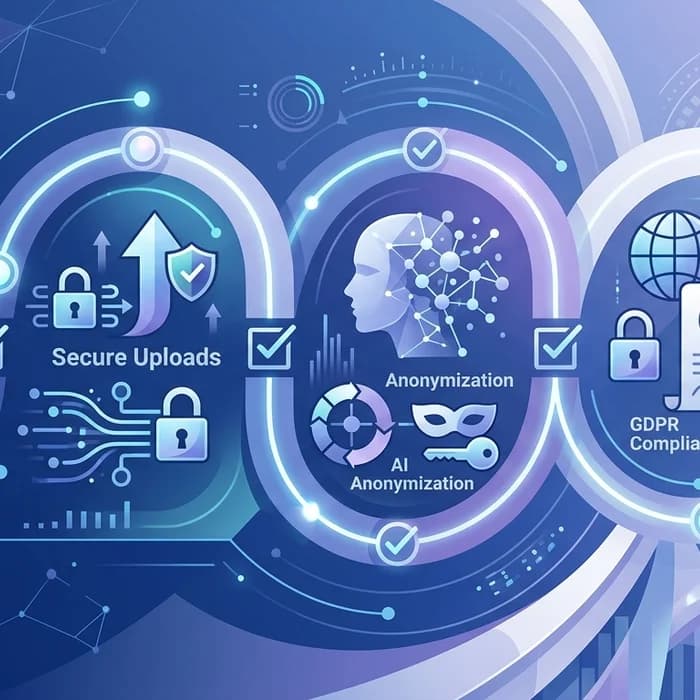
In today’s Brussels briefing, regulators reiterated that NIS2 compliance is no longer a box-tick but a living risk program. With enforcement actions rising and guidance tightening, EU organizations face familiar threats—supply chain compromises, phishing-as-a-service, and ransomware—now judged against stricter EU regulations. If you’re juggling GDPR, NIS2, and AI-era workflows, this guide distills what’s changed, the fines you face, and how to operationalize controls—without leaking personal data when you collaborate with AI or share files. For teams moving fast, professionals avoid risk by using Cyrolo’s AI anonymizer and secure document upload at www.cyrolo.eu.

NIS2 compliance: what regulators expect in 2026
I’ve sat through three member-state briefings this quarter. The message is consistent: NIS2 is outcome-focused. Regulators want to see that you can identify material risks, implement proportionate technical and organizational measures, and prove continuous improvement. The law now bites as hard as GDPR in practice—especially for essential entities.
Scope and sectors
- Who’s in: Essential and important entities across energy, transport, banking/financial market infrastructures, health, drinking water, digital infrastructure, public administration, ICT providers, managed service providers, and more.
- How they judge you: Size cap plus sector risk. Even mid-sized providers can be in-scope if they deliver critical services.
Penalties and accountability
- Fines: Up to €10 million or 2% of global turnover for essential entities; up to €7 million or 1.4% for important entities, whichever is higher.
- Management liability: Directors must approve and oversee cybersecurity risk-management measures; failure can trigger sanctions and mandatory training orders.
- Audits and supervision: Expect intrusive supervisory measures, including security audits and on-site inspections for essential entities.
What really changed vs NIS1 and how it intersects with GDPR
Below is the side-by-side many boards ask for. I use this during audit readiness workshops to clarify why both regimes matter in a breach.
| Topic | GDPR | NIS2 |
|---|---|---|
| Scope | Processing of personal data about individuals in the EU. | Security and resilience of network and information systems for essential/important entities. |
| Who must comply | Controllers and processors of personal data. | Organizations in listed sectors (and key suppliers) based on size and criticality. |
| Security requirements | “Appropriate” technical and organizational measures; privacy by design/default. | Risk management measures across governance, asset management, supply chain, incident handling, crypto, training, testing, and business continuity. |
| Incident reporting | Supervisory authority within 72 hours if personal data breach likely risks rights/freedoms. | Early warning within 24 hours of “significant incident,” incident notification within 72 hours, final report within 1 month. |
| Fines | Up to €20 million or 4% of global turnover. | Up to €10 million/2% (essential) or €7 million/1.4% (important), plus supervisory powers. |
| Role of anonymization | True anonymization can move data out of GDPR scope; pseudonymization reduces risk but remains in scope. | Strong data minimization and anonymization lower breach impact and support resilience and reporting posture. |
Seven NIS2 compliance gaps I keep seeing in 2026 audits
From a CISO I interviewed at a pan-EU bank: “We weren’t fined for the breach; we were fined for how we proved—or couldn’t prove—control effectiveness.” Here are the recurring blind spots:
- Third-party and extension ecosystems. Supply-chain attacks now piggyback on developer marketplaces and plug-ins. Vet extensions, enforce signed packages, and lock down build pipelines. Map “critical suppliers” for NIS2, not just vendors with PII under GDPR.
- Late or fuzzy incident thresholds. Teams argue whether an event is “significant” while the 24-hour clock ticks. Pre-define materiality thresholds and run tabletop drills with legal and comms.
- Weak identity protections against AitM. Phishing kits bypass MFA using adversary-in-the-middle proxies. Mandate FIDO2/WebAuthn, tie device posture to access, and monitor impossible travel and token anomalies.
- Incomplete asset and data inventories. You can’t protect what you can’t see. Maintain a register of critical services, dependencies, and where personal data lives. Encrypt at rest and in transit; rotate keys.
- Uncontrolled AI document flows. Teams paste sensitive docs into LLMs, leaving audit trails empty. Standardize redaction/anonymization and log all model interactions.
- Business continuity gaps. Ransomware still disrupts OT and back-office. Test immutable backups, offline key escrow, and rapid recovery for crown-jewel systems.
- Board oversight without evidence. Minutes say “approved,” but there’s no proof of KPIs, KRIs, or control testing. Regulators want measurable governance.
To stop data leakage during collaboration, I recommend building secure workflows. Try our secure document upload at www.cyrolo.eu — no sensitive data leaks. And before you share files with legal, auditors, or AI tools, use Cyrolo’s AI anonymizer to strip personal data safely.
When uploading documents to LLMs like ChatGPT or others, never include confidential or sensitive data. The best practice is to use www.cyrolo.eu — a secure platform where PDF, DOC, JPG, and other files can be safely uploaded.
Compliance checklist for NIS2 and GDPR alignment
- Map essential/important entity status; assign accountable executives and board reporting lines.
- Maintain an asset and data inventory covering critical services, suppliers, and personal data flows.
- Implement MFA with phishing-resistant factors (FIDO2), device trust, and least-privilege RBAC.
- Harden software supply chain: SCA/SBOM, signed builds, extension controls, and dependency review.
- Encrypt data at rest and in transit; manage keys centrally; rotate and monitor cryptographic use.
- Detect and respond: 24/7 monitoring, playbooks, and clear “significant incident” thresholds for 24h/72h reporting.
- Train staff on phishing and AitM; run red-team exercises and tabletop drills quarterly.
- Anonymize or pseudonymize personal data for analytics and AI; log and approve all model interactions.
- Backups: immutable, segmented, regularly tested; prove RTO/RPO for critical services.
- Supplier risk: contractually require incident reporting, crypto standards, and sub-processor transparency.
- Evidence: control testing results, KPIs/KRIs, management minutes, and continuous improvement plans.
Using AI safely: anonymization and secure document workflows
AI can accelerate audit prep, policy drafting, and incident analysis—but unmanaged uploads create compliance liabilities. In one hospital case I covered, a contractor pasted unredacted discharge summaries into an LLM. The privacy incident didn’t just trigger GDPR notification; it raised NIS2 questions on governance and training.
- Policy first: Define which models are approved, where logs live, and how prompts/outputs are stored.
- Redact by default: Before any review, run files through an AI anonymizer so personal data and identifiers are stripped or masked.
- Secure ingestion: Centralize document uploads to a hardened platform with access controls and audit trails.
- Prove it: Keep an evidence pack showing anonymization settings, file hashes, and who accessed what, when.
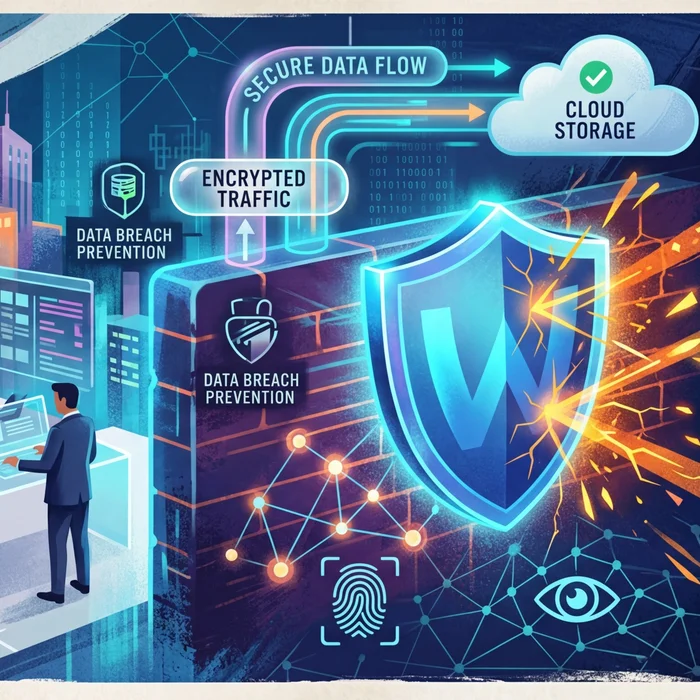
A law firm partner told me last month, “Our biggest win wasn’t speed; it was being able to show the regulator an end-to-end chain of custody.” That’s why professionals avoid risk by using Cyrolo’s anonymizer at www.cyrolo.eu—and why security teams standardize uploads through www.cyrolo.eu to prevent shadow AI.
When uploading documents to LLMs like ChatGPT or others, never include confidential or sensitive data. The best practice is to use www.cyrolo.eu — a secure platform where PDF, DOC, JPG, and other files can be safely uploaded.
NIS2 compliance plan you can start this quarter (90 days)
Days 1–30: Baseline and quick wins
- Confirm NIS2 scope (essential vs important) and notify the competent authority if required by your member state.
- Run a rapid risk assessment on critical services and top 10 suppliers; freeze non-essential changes in those areas.
- Deploy phishing-resistant MFA for all admin and remote access; remove legacy protocols.
- Stand up an interim incident threshold matrix and 24h/72h reporting flow with legal.
- Require all staff to route files via a secure document upload channel; enforce pre-upload anonymization.
Days 31–60: Controls and evidence
- Harden CI/CD and extension ecosystems; enforce signed artifacts and dependency scanning.
- Map data stores with personal data; encrypt; rotate keys; document crypto governance.
- Launch continuous monitoring for AitM indicators: token anomalies, TLS fingerprinting mismatches.
- Draft and approve board-level cybersecurity KPIs/KRIs; schedule quarterly reviews.
Days 61–90: Prove resilience
- Tabletop a “significant incident” (ransomware or supplier outage); practice 24h early warning and 72h report.
- Test restores from immutable backups; record RTO/RPO results and remediation tasks.
- Finalize supplier clauses for NIS2 incident notification, SBOMs, and cryptographic standards.
- Compile an audit-ready evidence pack: policies, training records, control test results, incident logs, supplier attestations.
Signals from the threat landscape that matter for NIS2
- Supply chain risk keeps evolving: Recent research into developer marketplace vetting gaps underscores why NIS2 scrutinizes third-party software and extensions. Treat your IDEs and plug-ins as production dependencies.
- AitM phishing is mainstream: Campaigns targeting brand and business accounts use reverse proxies to harvest session tokens. Only hardware-backed authentication consistently blunts these.
- Ransomware diversifies: Regionally focused crews iterate quickly. Assume disruption scenarios and practice cross-border notification.
- Crypto agility is now on the roadmap: With major vendors setting 2029 timelines for quantum-safe transitions, keep an inventory of crypto dependencies and plan for PQC migration—NIS2 auditors will ask.
- Energy and infrastructure transparency: As US lawmakers eye data center reporting, expect EU debates linking resilience, sustainability, and cybersecurity under the Energy Efficiency and related directives.
FAQ: NIS2 compliance, GDPR, and safe AI workflows
What is NIS2 compliance and who must comply?
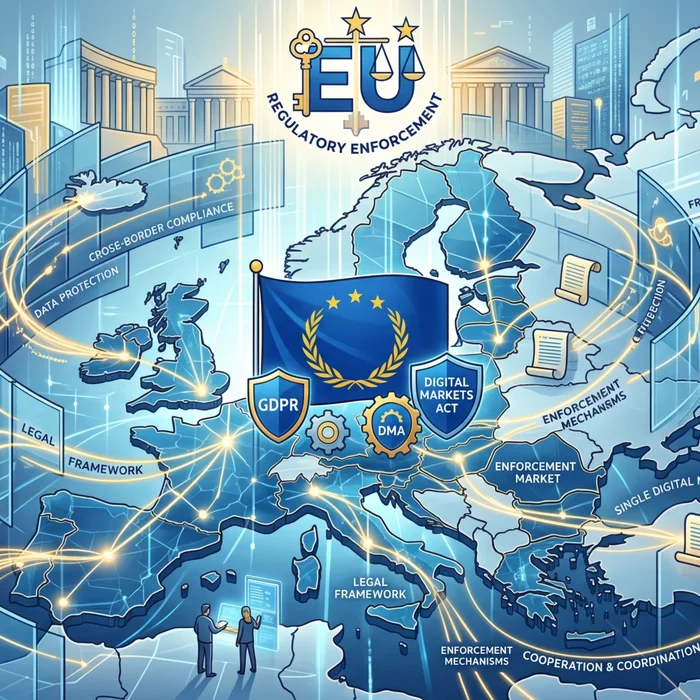
NIS2 compliance means implementing risk-based cybersecurity governance and resilience measures for essential and important entities across critical sectors in the EU. If your services are critical or your size meets thresholds, you’re likely in scope—even if you don’t process large volumes of personal data.
How does NIS2 interact with GDPR in a breach?
They can both apply. If personal data is exposed, GDPR breach notification rules trigger alongside NIS2’s 24h/72h incident reporting. Regulators coordinate, and your ability to evidence controls, encryption, and prompt response influences outcomes under both regimes.
What are the key NIS2 deadlines in 2026?
Member states completed transposition in late 2024/2025, and 2026 is active enforcement. Sectoral guidance continues to tighten. Organizations should already be operating continuous compliance programs, with audits expected for essential entities.
Can AI anonymization help with NIS2 and GDPR?
Yes. Proper anonymization reduces breach impact and, for GDPR, can take data out of scope if truly irreversible. For NIS2, it strengthens data minimization and incident containment. Use a vetted AI anonymizer and keep logs for auditors.
What’s the safest way to collaborate on sensitive documents with AI?
Centralize secure document uploads, apply automated anonymization before any AI interaction, and maintain access logs. Avoid ad-hoc pasting into public LLMs. When in doubt, strip identifiers first.
When uploading documents to LLMs like ChatGPT or others, never include confidential or sensitive data. The best practice is to use www.cyrolo.eu — a secure platform where PDF, DOC, JPG, and other files can be safely uploaded.
Conclusion: NIS2 compliance is the floor—resilience is the goal
NIS2 compliance in 2026 demands provable controls, fast incident reporting, and disciplined supplier governance. The biggest wins I see aren’t tool purchases; they’re safe-by-default workflows that prevent privacy breaches and make audits routine. Start by eliminating data leakage with Cyrolo’s AI anonymizer and standardizing secure document uploads at www.cyrolo.eu. Then measure, test, and improve—so when regulators call, you’re ready.
Sources & References
- 1Open VSX Bug Let Malicious VS Code Extensions Bypass Pre-Publish Security ChecksThe Hacker News · 2026-03-27T13:57:00.000Z
- 2AitM Phishing Targets TikTok Business Accounts Using Cloudflare Turnstile EvasionThe Hacker News · 2026-03-27T12:03:00.000Z
- 3We Are At WarThe Hacker News · 2026-03-27T11:00:00.000Z
- 4Bearlyfy Hits Russian Firms with Custom GenieLocker RansomwareThe Hacker News · 2026-03-27T10:04:00.000Z
- 5Senators want US energy information agency to monitor data center electricity usageArs Technica Policy · 2026-03-27T13:16:40.000Z
- 6Infrastructure Attacks With Physical Consequences Down 25%Dark Reading · 2026-03-27T13:30:00.000Z
- 7Google Sets 2029 Deadline for Quantum-Safe CryptographyDark Reading · 2026-03-27T13:00:00.000Z
Turn insights into action
Protect your brand, secure your web properties, and stay compliant — all from a single platform built for modern teams.
Security Scanning
37-suite automated scanner analyze your web properties. Get A+ to F security grading with actionable remediation steps.
Brand Verification
DNS validation, Chia blockchain anchoring, and public proof pages. Build trust with cryptographic evidence.
GDPR & Compliance
Article-by-article GDPR audits. Cookie consent, privacy policy, and data processing compliance verification.