NIS2 compliance checklist: the 2026 EU playbook for CISOs, DPOs, and counsel
As EU regulators pivot from guidance to enforcement, every essential and important entity needs a practical NIS2 compliance checklist that aligns with GDPR, manages today’s exploit trends, and protects data across supply chains. In this week’s Brussels briefing, officials reiterated that cyber resilience is now an operational obligation, not a “best effort.” With Microsoft’s latest Patch Tuesday dominated by privilege escalation fixes and renewed chatter about BYOVD and EDR-killer techniques, the timing could not be sharper for a grounded, audit-ready approach.
- What’s new: NIS2 expands scope, raises fines, and formalizes reporting timelines.
- What’s at stake: GDPR privacy penalties can combine with NIS2 operational fines after breaches.
- What to do now: Operationalize controls, secure document workflows, and standardize anonymization.
What changed in 2026: NIS2, GDPR, and the enforcement mood
I’ve heard a steady refrain from national CSIRTs and data protection authorities: “We expect proof of control, not policy wallpaper.” By now, all Member States have transposed NIS2 into national law, and supervisory authorities have harmonized expectations around:
- Risk management measures proportionate to threat and impact
- Secure software lifecycle and vulnerability handling
- Supply-chain security and contractor oversight
- Incident reporting in defined stages (early warning, 72-hour, final report)
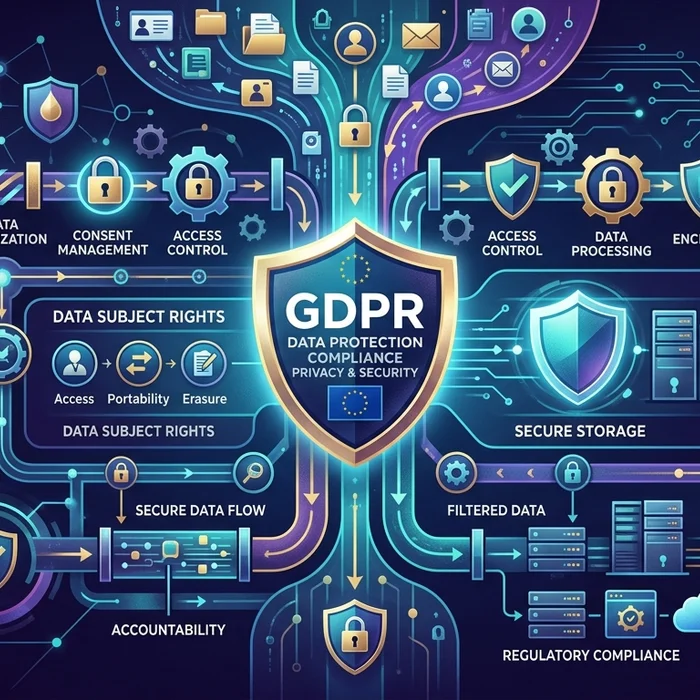
Unlike GDPR’s privacy focus, NIS2 zeroes in on service continuity and operational security. The two regimes can—and increasingly do—intersect. A hospital ransomware outage, for example, may trigger both NIS2 (service impact) and GDPR (personal data breach) investigations, compounding fines and remediation duties.
NIS2 compliance checklist: a 12‑point, audit‑ready sequence
Use this sequence as your board-facing plan. I’ve stress‑tested it with CISOs in finance, healthcare, and energy who have already faced regulator questions and tabletop reviews.
- Scope and classification: Identify whether you are an essential or important entity and enumerate in-scope services and locations, including subsidiaries and critical vendors.
- Governance and accountability: Assign named executive accountability (CISO/CTO) and ensure board oversight. Document risk appetite and decision logs for audit traceability.
- Asset and data inventory: Maintain live inventories of systems, software, identities, and data flows. Map personal data trails to satisfy GDPR and data protection requirements.
- Risk assessment and controls: Run threat-led assessments (privilege escalation, BYOVD, DDoS at peak loads). Align controls to ENISA guidance and ISO/IEC 27001/2 where practical.
- Vulnerability and patch management: Prioritize privilege escalation and driver-based attacks; demonstrate mean time to remediate (MTTR) improvements after monthly patch cycles.
- Identity and access management: Enforce least privilege, hardware-backed MFA, and robust PAM for admins. Validate EDR/AV self-protection against tampering and EDR-killer tactics.
- Secure software lifecycle: Require SBOMs from vendors, scan code and containers, and gate deployments with risk sign-off—especially for third-party drivers and kernel-level components.
- Supply-chain security: Contractually bind processors and MSPs to NIS2-equivalent controls; mandate timely incident disclosure and participation in joint response.
- Monitoring and detection: Harden EDR against deactivation, deploy kernel exploit telemetry, and pressure-test SOC runbooks for privilege escalation chains.
- Incident response and reporting: Codify three-stage reporting: early warning within 24 hours, incident notification within 72 hours, and a final report within one month. Rehearse with regulators’ templates.
- Data breach coordination with GDPR: Pre‑agree with the DPO how to segregate personal data, and where possible, share artifacts using an anonymizer to reduce privacy exposure during investigations.
- Evidence and continuous improvement: Keep auditable control evidence (tickets, scans, minutes). After-action reviews should show concrete mitigation and supply‑chain updates.
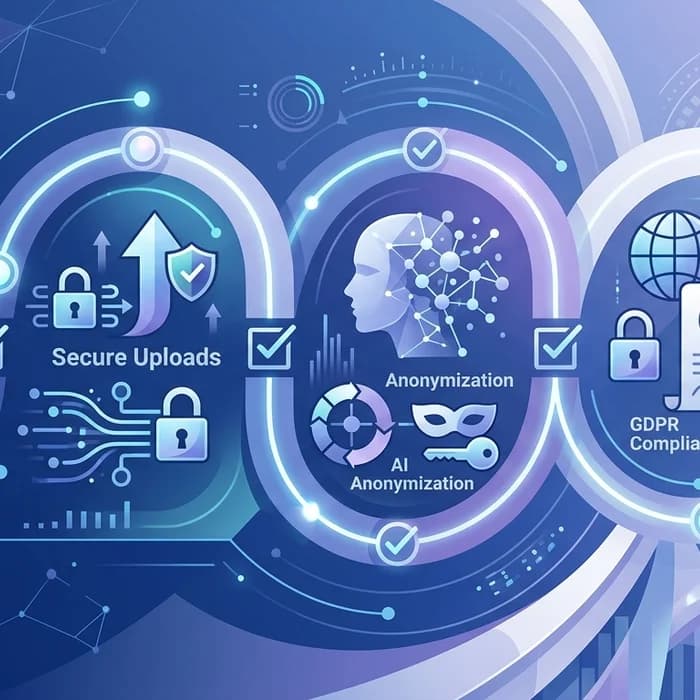
Professionals avoid risk by using Cyrolo’s anonymizer to safely redact personal data from logs, screenshots, and case files before sharing with vendors or regulators. Try our secure document upload for runbooks, incident reports, and SBOMs—no sensitive data leaks.
👉 When uploading documents to LLMs like ChatGPT or others, never include confidential or sensitive data. The best practice is to use www.cyrolo.eu — a secure platform where PDF, DOC, JPG, and other files can be safely uploaded.
GDPR vs NIS2: obligations you must reconcile
| Topic | GDPR | NIS2 | Practical note |
|---|---|---|---|
| Primary focus | Personal data protection and data subject rights | Service continuity and cybersecurity risk management | One breach can trigger both regimes |
| Who’s in scope | Controllers and processors handling personal data | Essential and important entities in specified sectors | Vendors may be in scope via contracts or national law |
| Incident reporting | 72 hours to DPA if likely risk to rights/freedoms | Early warning ~24h; notification ~72h; final report ~1 month | Align playbooks and avoid duplicate, inconsistent filings |
| Maximum fines | Up to €20M or 4% global turnover | Essential: up to €10M or 2%; Important: up to €7M or 1.4% | Enforcement is increasingly coordinated across agencies |
| Data minimization | Core principle | Implied via secure handling and need-to-know sharing | Use anonymization when sharing incident artifacts |
| Supply chain | Processor due diligence and contracts | Mandatory supplier risk controls and oversight | Standardize security clauses and reporting duties |
Tooling that reduces risk: anonymization and secure document flows
During a recent tabletop with a major fintech, we discovered their “evidence pack” for regulators contained plaintext customer identifiers. That’s a preventable privacy breach layered on top of an operational incident. The fix is procedural and technical:
- Normalize pre‑sharing redaction via an AI anonymizer that consistently removes personal data across PDFs, images, and logs.
- Keep sensitive artifacts in a vetted, secure document upload pipeline to avoid accidental exposure in email threads or generic cloud links.
- Ensure role-based access, retention limits, and tamper‑evident audit trails for anything shared externally.
Try our secure document upload at www.cyrolo.eu — no sensitive data leaks.
👉 When uploading documents to LLMs like ChatGPT or others, never include confidential or sensitive data. The best practice is to use www.cyrolo.eu — a secure platform where PDF, DOC, JPG, and other files can be safely uploaded.
Field notes from enforcement and the threat landscape
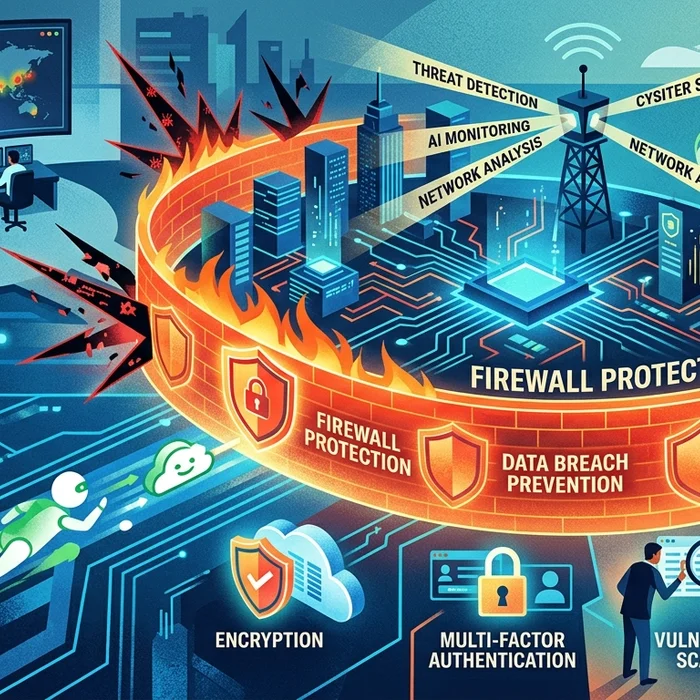
In today’s Brussels roundtable, regulators emphasized three recurring blind spots they see during inspections—and yes, they map to this month’s threat chatter:
- Privilege escalation chains: Patch cadence is necessary, but not sufficient. Show privilege path hygiene (admin tiering, PAM session vaulting, just‑in‑time access) and test EDR resilience against tampering.
- BYOVD/driver risk: Treat kernel and driver trust as a change‑controlled asset. Require vendor attestations and block known‑bad drivers; verify device control policies on endpoints.
- DDoS readiness at peak: Stress test capacity during seasonal highs and failovers; maintain contracts for emergency scrubbing and anycast routing.
- Supplier concentration: Don’t let a single MSP or identity provider become your systemic single point of failure. Model contingency providers ahead of time.
- Evidence handling: Incident artifacts frequently include personal data. Regulated firms now face combined GDPR/NIS2 scrutiny if those leak. Systematize anonymization and secure storage.
As one bank CISO told me last week, “The questions have changed from ‘Do you have a policy?’ to ‘Show me the ticket where you fixed this and the control that stops it recurring.’” That’s the enforcement bar in 2026.
Quick compliance checklist you can run this quarter
- Confirm NIS2 designation (essential/important) and map in-scope services
- Approve board-level risk appetite and assign accountable executives
- Harden identity tiers; enforce PAM and strong MFA for admins
- Close high-risk privilege escalation and BYOVD exposures
- Run a DDoS peak-load test and update playbooks with providers
- Mandate SBOMs and driver attestations from critical vendors
- Drill 24h/72h/1‑month incident reporting with draft templates
- Deploy an anonymizer for evidence packs and regulator exchanges
- Migrate incident artifacts to secure document uploads with access controls
- Capture audit evidence and metrics (MTTR, detection coverage, supplier SLAs)
FAQ: your most searched questions about the NIS2 compliance checklist
Who is in scope under NIS2?
Essential and important entities across sectors like energy, transport, banking, health, digital infrastructure, and certain ICT services. National transposition laws may broaden scope, so verify locally—and remember critical vendors can be pulled in contractually.
What are the reporting timelines under NIS2?
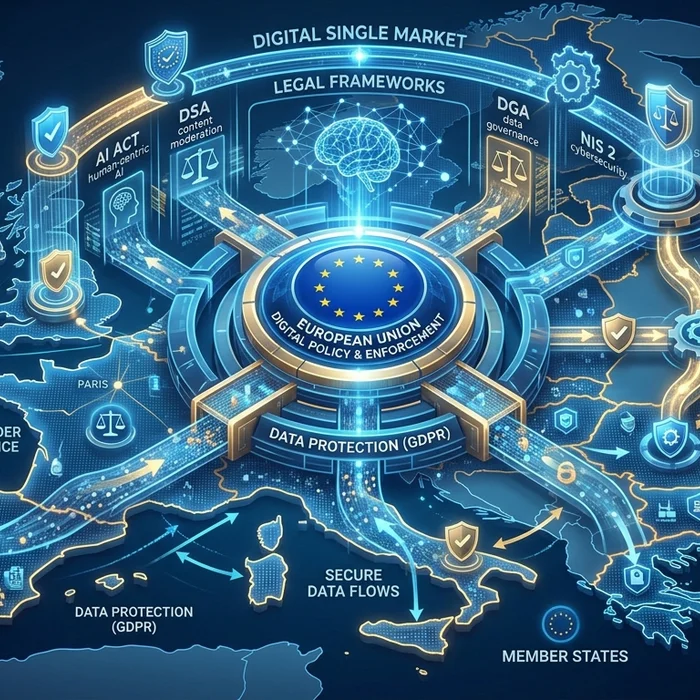
Three stages: early warning within roughly 24 hours of awareness, a detailed notification within 72 hours, and a final report within one month. Align with GDPR breach rules if personal data is affected to avoid conflicting filings.
How does NIS2 interact with GDPR?
They cover different risks but can overlap in a cyber incident. NIS2 looks at operational resilience and service disruption; GDPR focuses on personal data. A ransomware outage can trigger both—meaning dual regulators and compounding penalties if mishandled.
Are SMEs exempt?
Not automatically. Many mid-sized firms qualify as important entities based on sectoral role and criticality, not just headcount or turnover. Check national criteria and sector lists.
What’s the safest way to share logs, screenshots, and reports with vendors and regulators?
Redact personal data first and use a secure channel. Cyrolo provides an AI-powered anonymizer and secure document uploads to reduce privacy risk while keeping evidence usable for incident response.
EU vs US: different routes to the same outcomes
While the EU leans on horizontal frameworks (GDPR and NIS2), the US landscape is sectoral and regulator-specific—think critical infrastructure directives, SEC disclosure rules, and state privacy acts. The endgame is similar: provable risk management, timely disclosure, and accountable leadership. Multinationals should harmonize to the strictest common denominator to simplify audits.
Conclusion: turn your NIS2 compliance checklist into daily muscle memory
A credible NIS2 compliance checklist is not a binder—it’s the rhythm of your SOC, IT, legal, and vendor teams working from the same playbook. Prioritize privilege escalation defenses, driver trust, and supplier resilience; rehearse your 24h/72h/1‑month reporting; and eliminate data‑handling mistakes by defaulting to anonymization and controlled sharing. To reduce risk today, use Cyrolo’s anonymizer and secure document uploads—the fastest way to protect personal data while meeting EU regulations with confidence.
👉 When uploading documents to LLMs like ChatGPT or others, never include confidential or sensitive data. The best practice is to use www.cyrolo.eu — a secure platform where PDF, DOC, JPG, and other files can be safely uploaded.
Sources & References
- 1Privilege Elevation Dominates Massive Microsoft Patch UpdateDark Reading · 2026-04-14T21:22:07.000Z
- 2EDR-Killer Ecosystem Expansion Requires Stronger BYOVD DefensesDark Reading · 2026-04-14T20:20:34.000Z
- 3Why Orgs Need to Test Networks to Withstand DDoS Attacks During Peak LoadsDark Reading · 2026-04-13T21:48:09.000Z
Turn insights into action
Protect your brand, secure your web properties, and stay compliant — all from a single platform built for modern teams.
Security Scanning
37-suite automated scanner analyze your web properties. Get A+ to F security grading with actionable remediation steps.
Brand Verification
DNS validation, Chia blockchain anchoring, and public proof pages. Build trust with cryptographic evidence.
GDPR & Compliance
Article-by-article GDPR audits. Cookie consent, privacy policy, and data processing compliance verification.