Secure Document Uploads Under NIS2 and GDPR: A 2026 Playbook From Brussels
As EU regulators sharpen enforcement and cybercriminals pivot to supply-chain and business-email compromise, secure document uploads have become the quiet backbone of GDPR and NIS2 compliance. In today’s Brussels briefing, officials underscored “security by design” and traceability for any file that crosses organizational boundaries—especially PDFs, resumes, invoices, and AI training inputs. After a string of software supply-chain scares and malvertising campaigns, the safest path is tightening file intake, adding automated anonymization, and proving you did both.

Why secure document uploads matter now
Three trends converged this quarter:
- Supply-chain tampering in popular developer and AI tooling reminded CISOs that “trusted” components can ship backdoors.
- Malvertising and fake-recruitment lures pushed trojans via “tax” search ads and CV attachments, disabling EDR and harvesting enterprise credentials.
- Policy headwinds rose on both sides of the Atlantic, with Europe emphasizing resilience (NIS2) and data protection (GDPR), while US market restrictions on networking hardware signal a new scrutiny of upstream risks.
“Our riskiest flows aren’t the crown-jewel databases,” a CISO I interviewed last week told me. “It’s the unglamorous intake: candidates emailing CVs, clients uploading statements, analysts dropping PDFs into AI tools. That’s where credentials get stolen and personal data leaks.”
The fix is mundane but powerful: validate, sanitize, and minimize every file, then log the chain of custody. That’s what auditors now expect to see.
Secure document uploads and core EU obligations
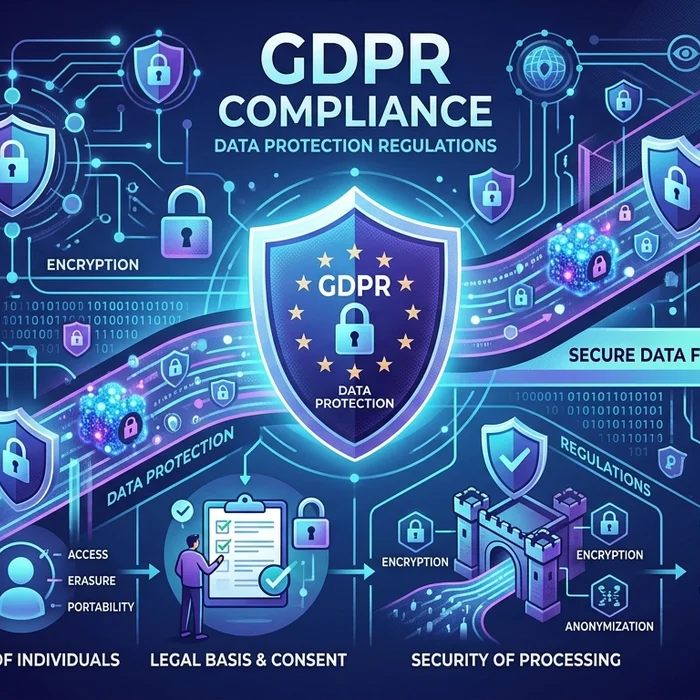
Both GDPR and NIS2 converge on principles that directly touch file handling—data minimization, integrity, access controls, incident reporting, and vendor oversight. Here’s how they compare:
| Area | GDPR (Data Protection) | NIS2 (Cybersecurity Resilience) |
|---|---|---|
| Scope | Personal data in any format, including files | Essential/important entities’ networks, services, and supply chain |
| Key Duty | Lawful basis, minimization, DPIA, security of processing | Risk management, incident reporting, supply-chain security, business continuity |
| File Upload Implications | Anonymize/pseudonymize where possible; restrict access; retain only what’s necessary | Scan for malware, harden endpoints, log and monitor upload paths, vendor assurance |
| Penalties | Up to €20M or 4% of global turnover (higher of the two) | Substantial administrative fines and supervisory measures set by Member States |
| Evidence | Records of processing, DPIAs, data breach logs | Risk assessments, incident reports, audit trails, supply-chain controls |
Regulatory temperature check for 2026
- LIBE’s anti-corruption focus dovetails with traceable procurement and third‑party risk—expect questions about who can upload what, and how proof is captured.
- IMCO’s consumer protection lens means deceptive interfaces around consent and uploads are in the crosshairs.
- Supervisors are asking for artifact-level evidence: malware-scan verdicts, anonymization diffs, and immutable logs tied to specific files.
How secure document uploads reduce GDPR/NIS2 risk
Think of uploads as a programmable checkpoint. A defensible pipeline should:
- Verify provenance: block risky file types, enforce signed links, and require SSO-authenticated portals.
- Scan and detonate: antivirus, sandboxing, and static analysis before files ever touch core systems.
- Automate minimization: remove or mask personal data fields not needed for the stated purpose.
- Encrypt and segment: TLS in transit, strong encryption at rest, and least-privilege access.
- Log the whole trail: who uploaded, what was changed, where it went, and retention clocks.
- Control egress: prevent re-uploads of sensitive data to unmanaged AI/LLM tools.
A practical playbook for 90 days
- Map the top 10 upload flows: careers inbox, client onboarding, tax/finance requests, support portals, vendor portals, and AI research sandboxes.
- Classify data on ingest: tag personal data vs. business-confidential vs. public; route accordingly.
- Enforce automated anonymization for CVs, invoices, medical summaries, and legal docs.
- Quarantine and scan: block macros, inspect archives, and detonate suspicious payloads.
- Adopt an evidence model: store scan reports, redaction logs, and access decisions for audits.
- Vendor governance: document how third-party AI or parsing tools handle personal data and keys.
- Run a tabletop: simulate a malvertising or fake-resume incident and measure time-to-contain.
Compliance checklist
- DPIA covers document-intake and AI-assisted processing
- Data minimization and purpose limitation enforced at upload
- Role-based access; encryption in transit and at rest
- Malware scanning and sandbox detonation before internal distribution
- Anonymization/pseudonymization documented and reproducible
- Immutable logs linking each file to user, time, and processing steps
- Retention and deletion policies auto-applied to uploaded files
- Supply-chain assurance for any parsing, OCR, or LLM components
Tools that help today: anonymization and secure document uploads
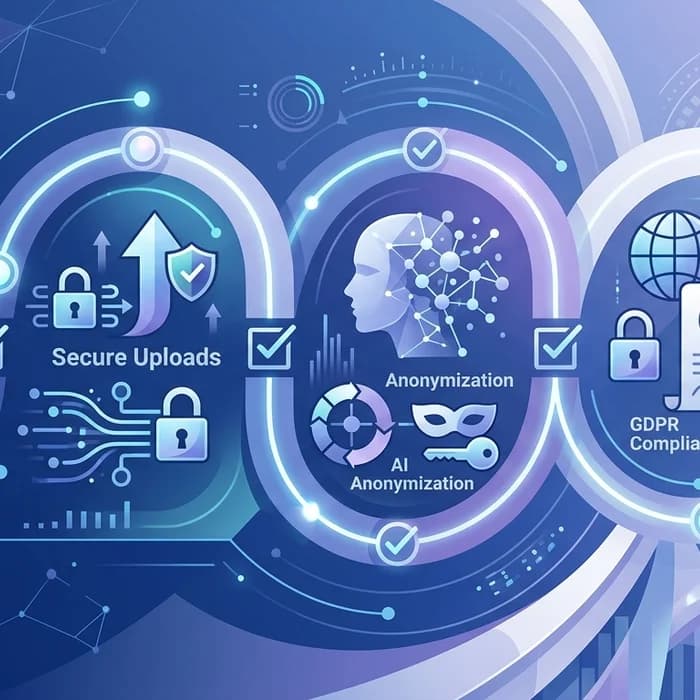
Professionals avoid risk by using Cyrolo’s anonymization to strip or mask personal data before analysis or sharing. And when teams must accept files from clients or candidates, try our secure document upload at www.cyrolo.eu — no sensitive data leaks, with audit trails that satisfy GDPR and NIS2.

When uploading documents to LLMs like ChatGPT or others, never include confidential or sensitive data. The best practice is to use www.cyrolo.eu — a secure platform where PDF, DOC, JPG, and other files can be safely uploaded.
Why this matters across departments
- HR: Fake resumes increasingly carry credential-stealing implants. Route CVs through a hardened upload, auto‑redact IDs, addresses, and birthdates.
- Finance/Tax: Malvertising around “tax” queries has delivered remote-control tools. Scan and lock down macro-laden spreadsheets and PDFs; mask account numbers.
- Legal: Client disclosures often exceed necessity. Automate removal of names, emails, and case references not needed for the task.
- Healthcare: Pseudonymize clinical summaries while preserving analytic value; keep full identifiers out of general collaboration tools.
- Engineering/AI: After recent backdoor incidents, isolate model-integrations and ensure any dataset uploads are anonymized and logged.
EU vs US: different emphasis, same destination
Europe’s GDPR and NIS2 make privacy and resilience a legal duty, with steep fines and mandated reporting. US policy activity, including tighter scrutiny on network equipment origin, signals a parallel focus on upstream risk. For multinationals, a single secure-upload gateway with anonymization and immutable logs satisfies both philosophies: less sensitive data leaves your perimeter, and you can prove it.
Metrics that convince auditors
- Percentage of uploads scanned and cleared before internal distribution
- Rate of automated anonymization applied by document type
- Mean time to quarantine malicious files from external senders
- Reduction in personal-data exposure per task (measured via redaction diffs)
- Coverage: proportion of high-risk workflows forced through the secure upload path
FAQ: secure document uploads, GDPR, and NIS2
What are secure document uploads in practice?
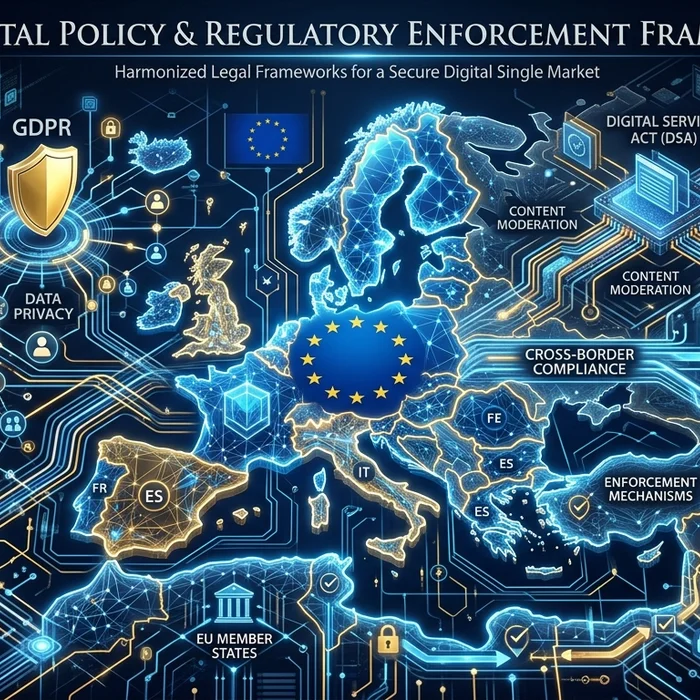
A controlled pathway for files that enforces authentication, malware scanning, automated anonymization, encryption, and auditable logging before documents reach users or downstream systems.
Is anonymization enough to satisfy GDPR?
It’s essential but not sufficient. You still need a lawful basis, purpose limitation, access controls, and retention limits. Anonymization reduces risk and can move processing outside GDPR’s scope if done robustly, but pseudonymization remains in scope.
Does NIS2 apply to my company?
If you are classified as an essential or important entity in sectors like finance, healthcare, energy, digital infrastructure, or certain online services, yes. Even outside formal scope, customers and regulators increasingly expect NIS2-style practices for uploads and third-party tooling.
How do we handle uploads to AI or LLM tools?
Apply the same controls: minimize data, anonymize first, restrict which models and endpoints can receive files, and keep a log of every transfer. When uploading documents to LLMs like ChatGPT or others, never include confidential or sensitive data. The best practice is to use www.cyrolo.eu — a secure platform where PDF, DOC, JPG, and other files can be safely uploaded.
What evidence should we keep for audits?
Scan reports, redaction logs, access decisions, DPIAs, and incident documentation tied to specific file hashes, users, and timestamps.
Conclusion: make secure document uploads your 2026 quick win
With attackers exploiting resumes, ads, and software pipelines—and regulators pressing for proof—secure document uploads are a fast, defensible way to cut breach risk and satisfy GDPR/NIS2 expectations. Put a hardened gateway in front of every file, anonymize what you do not need, and log everything. Then operationalize it with tools built for compliance: use Cyrolo’s anonymization and secure document upload at www.cyrolo.eu to protect people, streamline audits, and keep projects moving.
Sources & References
- 1Press release - Anti-corruption directive: press conference on Thursday at noonEU Parliament LIBE · 2026-03-24T17:03:02.000Z
- 2Video of a committee meeting - Tuesday, 24 March 2026 - 14:00 - Committee on the Internal Market and Consumer ProtectionEU Parliament IMCO · 2026-03-24T16:58:17.000Z
- 3TeamPCP Backdoors LiteLLM Versions 1.82.7–1.82.8 Likely via Trivy CI/CD CompromiseThe Hacker News · 2026-03-24T18:21:00.000Z
- 4Tax Search Ads Deliver ScreenConnect Malware Using Huawei Driver to Disable EDRThe Hacker News · 2026-03-24T17:05:00.000Z
- 5Hackers Use Fake Resumes to Steal Enterprise Credentials and Deploy Crypto MinerThe Hacker News · 2026-03-24T16:35:00.000Z
- 6FCC imposes sweeping ban on foreign-made routers, affecting all new modelsArs Technica Policy · 2026-03-24T19:16:23.000Z
- 7All of DOGE’s work could be undone as lawsuit against Musk proceedsArs Technica Policy · 2026-03-24T17:17:34.000Z
- 8GitHub 'OpenClaw Deployer' Repo Delivers Trojan InsteadDark Reading · 2026-03-24T14:59:40.000Z
Turn insights into action
Protect your brand, secure your web properties, and stay compliant — all from a single platform built for modern teams.
Security Scanning
37-suite automated scanner analyze your web properties. Get A+ to F security grading with actionable remediation steps.
Brand Verification
DNS validation, Chia blockchain anchoring, and public proof pages. Build trust with cryptographic evidence.
GDPR & Compliance
Article-by-article GDPR audits. Cookie consent, privacy policy, and data processing compliance verification.