NIS2 compliance: what recent state-linked campaigns mean for EU risk teams in 2026
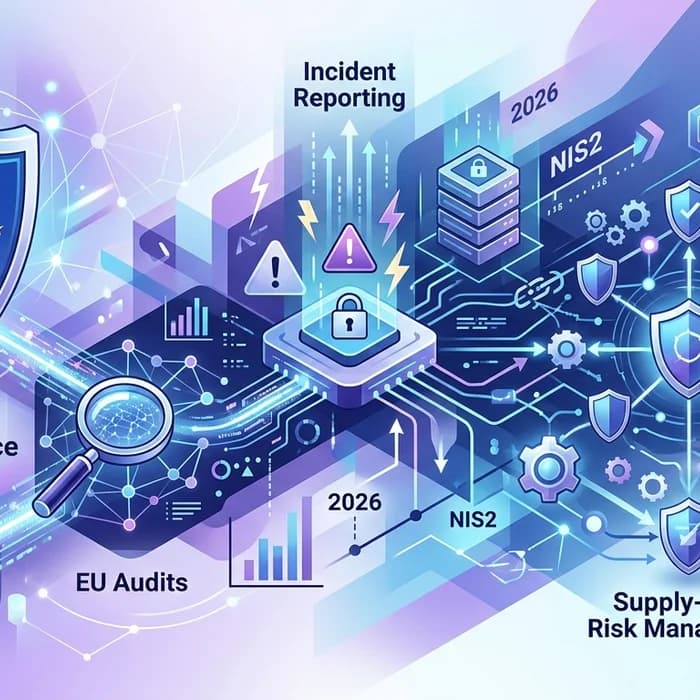
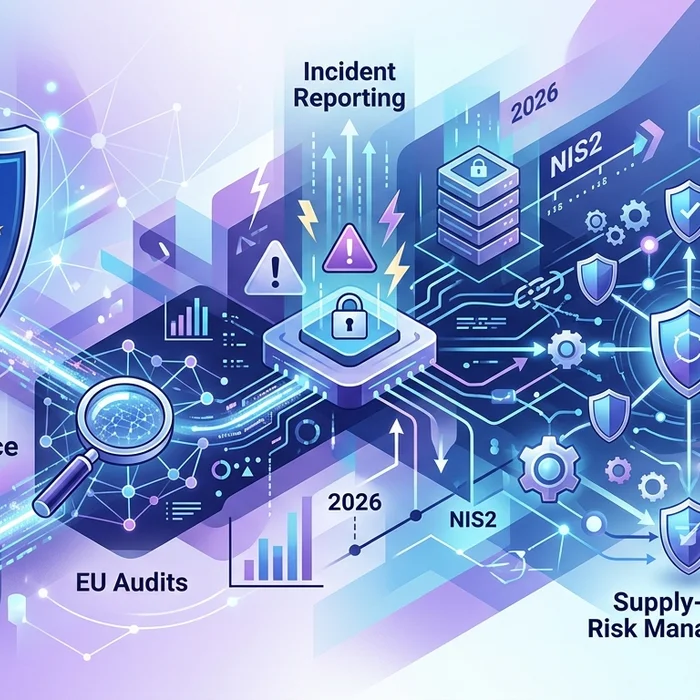
Brussels briefing: This spring, regulators quietly reminded national authorities that NIS2 compliance is no longer “coming”—it is here. Against a backdrop of coordinated, state-linked campaigns observed across Asia in 2025 and early 2026, the message to EU operators of essential and important entities is blunt: prove your resilience, document your decisions, and expect audits. As a reporter who speaks weekly with DPOs and CISOs navigating EU regulations, I’m seeing the same pattern—compliance wins go to teams that operationalize incident reporting, third‑party risk, and data minimization, not those still drafting policies.
- Regulatory reality: Member States have transposed NIS2; supervision and security audits are accelerating in 2026.
- Financial exposure: NIS2 fines can reach €10 million or 2% of global turnover for essential entities; GDPR penalties reach €20 million or 4%.
- Operational focus: Incident reporting within 24/72 hours, supply‑chain due diligence, and board accountability are hot buttons.
- Practical safeguard: Minimize data in tooling and AI workflows; apply anonymization before analysis.
Why NIS2 compliance matters more in 2026
In conversations I had with two national CSIRTs this quarter, both stressed the same friction point: many organizations have “paper compliance” but not operational readiness. NIS2 expands sectoral scope, tightens incident reporting, and gives authorities sharper tools—on‑site inspections, requests for evidence, and mandated remediation plans. Boards can be held to account for risk management measures, and persistent non‑conformance can trigger public statements or temporary bans for critical functions.
Key enforcement contours you should assume are active across the EU in 2026:
- Incident notification: an early warning within 24 hours of becoming aware of a significant incident, a progress report within 72 hours, and a final report within one month.
- Risk management measures: policies covering asset inventory, identity and access management (with MFA), vulnerability handling, secure development, backup/restore, and supply‑chain security.
- Governance: board approval and oversight of cybersecurity measures; documented training and accountability.
- Penalties: for essential entities, up to €10 million or 2% of global annual turnover; for important entities, up to €7 million or 1.4%.
From state‑linked campaigns to supply‑chain risk: the practical lesson
Intelligence shared with Brussels in late 2025 described three coordinated clusters targeting ministerial inboxes and service providers in Southeast Asia. Techniques were mundane but effective: OAuth abuse, shared credential reuse, sideloaded updates inside legitimate IT tooling, and cloud exfiltration hiding in normal admin traffic. A CISO I interviewed in January put it succinctly: “Attackers don’t need zero‑days when they have your vendors.”
For EU operators, the translation into NIS2 compliance is straightforward:
- Harden identity everywhere: enforce phishing‑resistant MFA and conditional access for admin consoles, VPNs, and SaaS used by finance, legal, and OT teams.
- Make “supplier transparency” measurable: capture software bills of materials (SBOMs), minimum security baselines, and breach notification clauses in contracts.
- Segment and monitor: treat managed service providers and remote support tools as high‑risk pathways; log and alert on lateral movement and unusual data egress.
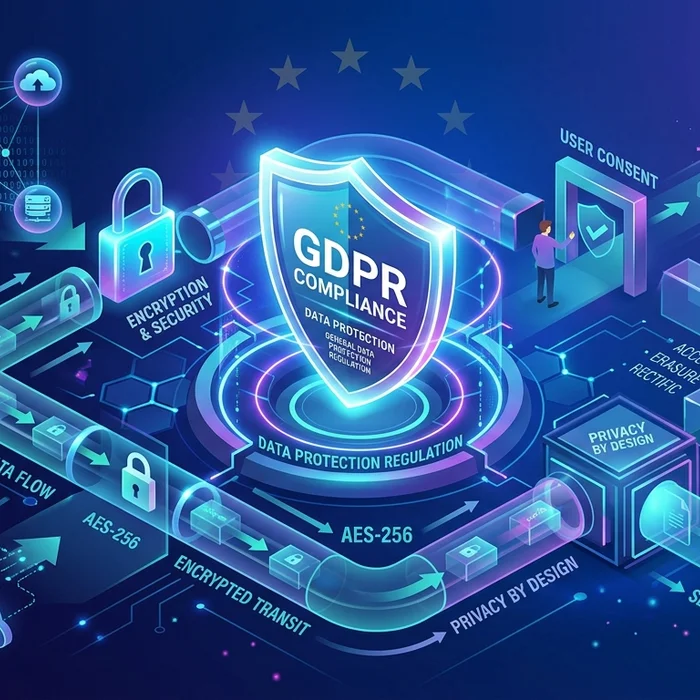
- Contain sensitive data: anonymize personal data before sharing with analytics or AI assistants; reduce the blast radius of any compromise.
NIS2 compliance checklist for 2026 audits
Use this condensed checklist to prepare for supervisory requests and security audits:
- Governance and accountability
- Board‑approved cybersecurity risk management policy, updated in the last 12 months.
- Named accountable executive and RACI for incident handling, third‑party risk, and secure development.
- Risk management measures
- Asset inventory (IT/OT/SaaS) with owners and business criticality.
- Identity security with phishing‑resistant MFA, privileged access controls, and regular access reviews.
- Vulnerability management with SLA‑driven patching and documented exceptions.
- Backup/restore tested quarterly; immutable backups for critical systems.
- Secure development lifecycle with code review, dependency scanning, and SBOMs.
- Incident reporting readiness
- Playbooks for 24‑hour early warning and 72‑hour progress reporting to CSIRT/competent authority.
- Evidence kit: log retention, chain‑of‑custody, and communications templates.
- Supply‑chain security
- Tiered vendor risk model; security clauses with notification timelines and audit rights.
- Continuous monitoring for critical third parties; attestation mapped to NIS2 controls.
- Data protection and GDPR alignment
- Data mapping for personal data, DPIAs where required, and DSR processes that work under pressure.
- Default anonymization for analytics and AI use cases to reduce privacy breach exposure.
- Training and exercises
- Annual board and executive training; biannual incident response tabletop including vendor compromise.
GDPR vs NIS2 obligations: what overlaps and what doesn’t
| Area | GDPR | NIS2 |
|---|---|---|
| Scope | Personal data processing by controllers/processors in the EU (or targeting EU residents). | Cybersecurity risk management and incident reporting for essential/important entities across designated sectors. |
| Primary objective | Protect fundamental rights and freedoms; lawful, fair, and transparent processing. | Ensure network and information systems security and service continuity. |
| Incident reporting | Notify supervisory authority of personal data breaches within 72 hours; notify affected individuals when high risk. | Early warning within 24 hours for significant incidents; progress report at 72 hours; final report within one month. |
| Governance | DPO appointment where required; DPIAs for high‑risk processing; records of processing. | Board oversight of cybersecurity; documented risk management measures; audits and inspections. |
| Fines | Up to €20 million or 4% of global annual turnover (higher of the two). | Essential: up to €10 million or 2%; Important: up to €7 million or 1.4%. |
| Third‑party obligations | Processor contracts; cross‑border transfer mechanisms. | Supply‑chain security, vendor due diligence, SBOMs and service continuity assurances. |
NIS2 compliance in practice: a 90‑day playbook
- Days 0–30: inventory and triage
- Confirm entity classification (essential/important) and in‑scope services.
- Consolidate asset and SaaS inventory; flag privileged access pathways.
- Gap‑assess against NIS2 measures; assign owners and fix‑by dates.
- Days 31–60: harden and rehearse
- Enforce phishing‑resistant MFA; lock down admin interfaces and remote tooling.
- Deploy egress monitoring and alerting for unusual cloud data movement.
- Run a tabletop exercise simulating a vendor‑originated incident; practice 24/72‑hour reporting.
- Days 61–90: evidence and resilience
- Finalize incident playbooks and reporting templates; set log retention and chain‑of‑custody.
- Contract addenda for critical suppliers: breach notifications, audit rights, SBOM deliverables.
- Establish a recurring review with the board; document decisions and risk acceptance.

Reduce exposure in AI and document workflows
Many breach reports I reviewed this year had a common weak point: uncontrolled data flows into third‑party tooling and LLMs. The fastest way to cut risk—and align with GDPR and NIS2—is to minimize personal data before sharing or analysis, and to keep document handling inside a controlled perimeter.
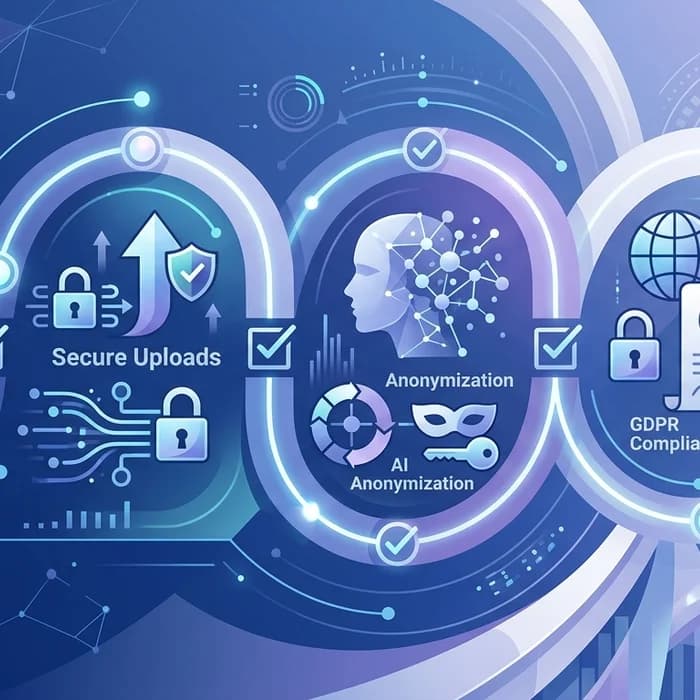
- Apply AI anonymizer tooling to strip names, emails, case IDs, and other personal data from files before analysis or sharing.
- Use secure document uploads instead of ad‑hoc email or consumer cloud links to contain access and logging.
- Make anonymization and secure upload a policy requirement in incident response and vendor engagement playbooks.
Professionals avoid risk by using Cyrolo’s anonymizer at www.cyrolo.eu. Try our secure document uploads at www.cyrolo.eu — no sensitive data leaks, clear audit trails, and fast collaboration for legal, compliance, and security teams.
Compliance reminder: “When uploading documents to LLMs like ChatGPT or others, never include confidential or sensitive data. The best practice is to use www.cyrolo.eu — a secure platform where PDF, DOC, JPG, and other files can be safely uploaded.”
Use cases where Cyrolo saves time and reduces risk
- Banking and fintech: anonymize transaction disputes before triage with external counsel; maintain GDPR compliance while meeting NIS2 reporting deadlines.
- Hospitals: redact personal data in incident artifacts shared with vendors; keep PHI out of general‑purpose AI tools.
- Law firms: collect evidence via secure uploads for breach assessments, preserving chain‑of‑custody and confidentiality.
A senior incident responder told me last month, “Our fastest containment wins came from deleting unnecessary personal data from the workflow.” Put simply: less data, less damage.
FAQ: NIS2 compliance, GDPR, and real‑world operations
What counts as a “significant incident” under NIS2?
An event that causes substantial operational disruption or financial loss, or likely significant impact on service recipients. Member‑state guidance varies, but large‑scale outages, OT disruptions, or material data theft generally qualify. When in doubt, prepare the 24‑hour early warning.
How do GDPR and NIS2 reporting interact if personal data is breached?
They are parallel obligations. Notify your data protection authority under GDPR within 72 hours for personal data breaches, and follow NIS2’s 24/72‑hour cadence for significant incidents. Keep evidence and timelines aligned; one playbook should trigger both tracks.
Are law firms and managed service providers in scope?
Many service providers fall under NIS2 if they support essential services or meet national criteria. Even if not directly in scope, they can be contractually obligated by clients for equivalent security and notification duties.
What do regulators expect boards to do under NIS2?
Approve cybersecurity risk policies, oversee their implementation, receive regular metrics, and ensure training for leadership. Documented oversight is as important as the technical controls.
What immediate step reduces both breach risk and compliance exposure?
Minimize personal data in your operational tooling. Use an AI anonymizer and keep files inside secure document uploads to shrink breach blast radius and simplify audits.
Conclusion: NIS2 compliance is the floor—resilience is the goal
State‑linked campaigns in 2025–2026 remind us that attackers exploit the ordinary—credentials, vendors, noisy cloud traffic. NIS2 compliance sets the minimum standard, but your competitive advantage lies in execution: fast incident reporting, vendor containment, and disciplined data minimization. If your teams need a safe way to work with evidence and drafts, use www.cyrolo.eu for anonymization and secure uploads—reduce what you expose, and you will reduce what can be lost.
Ready to operationalize NIS2 compliance? Start today: upload securely and anonymize automatically at www.cyrolo.eu.
Sources & References
- 1Three China-Linked Clusters Target Southeast Asian Government in 2025 Cyber CampaignThe Hacker News · 2026-03-30T07:00:00.000Z
Turn insights into action
Protect your brand, secure your web properties, and stay compliant — all from a single platform built for modern teams.
Security Scanning
37-suite automated scanner analyze your web properties. Get A+ to F security grading with actionable remediation steps.
Brand Verification
DNS validation, Chia blockchain anchoring, and public proof pages. Build trust with cryptographic evidence.
GDPR & Compliance
Article-by-article GDPR audits. Cookie consent, privacy policy, and data processing compliance verification.