NIS2 compliance in 2026: A practical EU playbook for CISOs, DPOs, and counsel
Brussels is turning up the heat on NIS2 compliance. In today’s briefing rooms and corridor chats at CPDP 2026, regulators repeated a simple message: the era of “wait-and-see” is over. With high-profile operations dismantling criminal VPNs and nation-state phishing campaigns targeting public bodies, security-by-design is moving from slide decks to supervisory action. If your organization hasn’t operationalized NIS2 compliance in tandem with GDPR obligations, 2026 will be the year when contracts, audits, and fines expose the gaps.
What is NIS2 compliance and who must act in 2026?
NIS2 (Directive (EU) 2022/2555) expands the EU’s cybersecurity baseline across essential and important entities in sectors such as banking, health, transport, energy, water, public administration, digital infrastructure, managed services, and key parts of the digital economy. Transposition into national law has finished across the bloc, and 2026 is shaping up to be the first cycle of deeper supervisory audits and cross-border information sharing driven by Computer Security Incident Response Teams (CSIRTs) and national competent authorities.
- Scope is broader: cloud providers, data centers, domain name services, managed service providers, and certain research entities are now within reach.
- Management accountability is explicit: boards must approve cybersecurity risk management measures and can face temporary bans or liability for serious non-compliance under national rules.
- Supply-chain duty of care is concrete: you must assess the security posture of vendors, especially providers of managed services and software.
- Incident reporting is faster and staged: early warning within 24 hours, an incident notification within 72 hours, and a final report typically within one month.
As an EU policy reporter, I heard one CISO in Brussels put it bluntly: “My regulator won’t accept a policy PDF next year—they expect evidence that it actually runs.”
Why NIS2 compliance matters now (and how it overlaps with GDPR)
Recent enforcement signals why both NIS2 and GDPR matter in parallel:
- A global takedown of a VPN service used by 25 ransomware groups shows that identity and network-layer trust can be systematically abused—and systematically policed. NIS2 expects you to anticipate that reality across your supply chain.
- Targeted phishing against government entities reminds us that business email, attachments, and vendor portals are still the biggest blast radius for privacy breaches and operational disruption.
- European data protection authorities (DPAs) continue to push accountability for personal data processing under GDPR; NIS2 widens the lens to service continuity and systemic risk—even when personal data is not at stake.
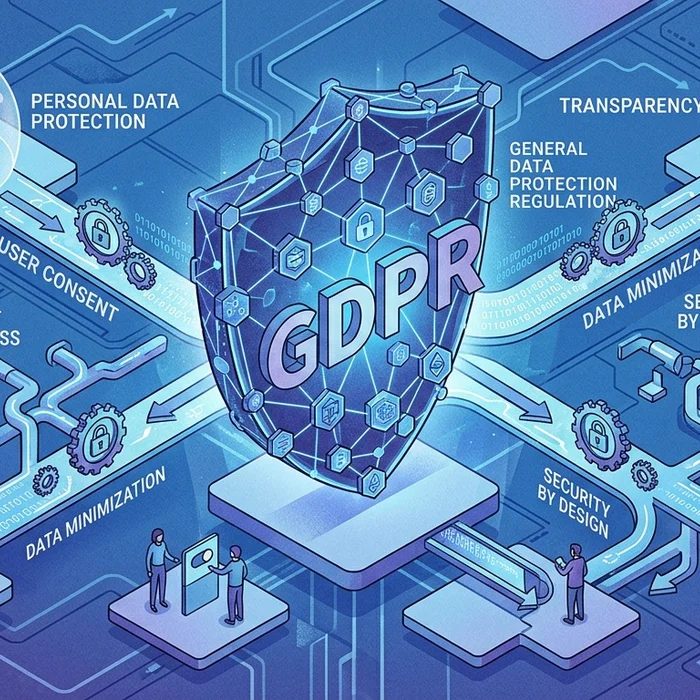
In practice, your GDPR controls (lawfulness, data minimization, DPIAs) should interlock with NIS2’s risk management (asset inventory, logging, incident response). One without the other leaves a regulator-sized hole.
NIS2 compliance checklist: what regulators will ask for in 2026
- Governance and accountability
- Board-approved cybersecurity risk management policy, reviewed annually.
- Named accountable executive(s) and documented reporting lines to management.
- Asset management and risk assessment
- Up-to-date asset inventory across on-prem, cloud, and OT/ICS where relevant.
- Documented risk assessments that include third-party and software supply chain.
- Technical and operational measures
- Multi-factor authentication, network segmentation, baseline hardening, vulnerability management, and secure software development lifecycle (SSDLC).
- Logging and monitoring with retention aligned to threat detection and legal constraints.
- Incident reporting and business continuity
- Procedure to issue early warning in 24 hours, notification in 72 hours, and final report ~1 month.
- Business continuity and disaster recovery tested at least annually.
- Supply chain security
- Vendor risk tiering, security clauses in contracts, and artifact-based assurance (e.g., pen test reports, SOC2/ISO, SBOMs where relevant).
- Human factors and training
- Role-based training for engineers, legal, procurement, and executives; phishing simulations with measurable improvement.
- Data protection alignment
- Demonstrable linkage between GDPR DPIAs/records of processing and NIS2 risk registers.
- Documented data minimization and anonymization practices for logs, tickets, and analytics.
GDPR vs NIS2: obligations compared
| Topic | GDPR | NIS2 |
|---|---|---|
| Primary focus | Personal data protection and privacy rights | Cybersecurity resilience and service continuity |
| Who is in scope | Controllers/processors handling personal data | Essential and important entities across defined sectors |
| Security baseline | “Appropriate” technical and organisational measures (Art. 32) | Specific risk management measures incl. MFA, logging, incident response, supply-chain security |
| Incident reporting | Notify DPA within 72 hours if breach risks individuals’ rights and freedoms | Early warning in 24h, incident notification in 72h, final report ~1 month to NIS authority/CSIRT |
| Fines (max, subject to national law) | Up to €20M or 4% of global annual turnover | Up to €10M or 2% of global turnover (essential); up to €7M or 1.4% (important) |
| Supervisors | Data Protection Authorities (DPAs) | National competent authorities and CSIRTs |
| Board responsibility | Implicit via accountability principles | Explicit management accountability; potential management liability under national rules |
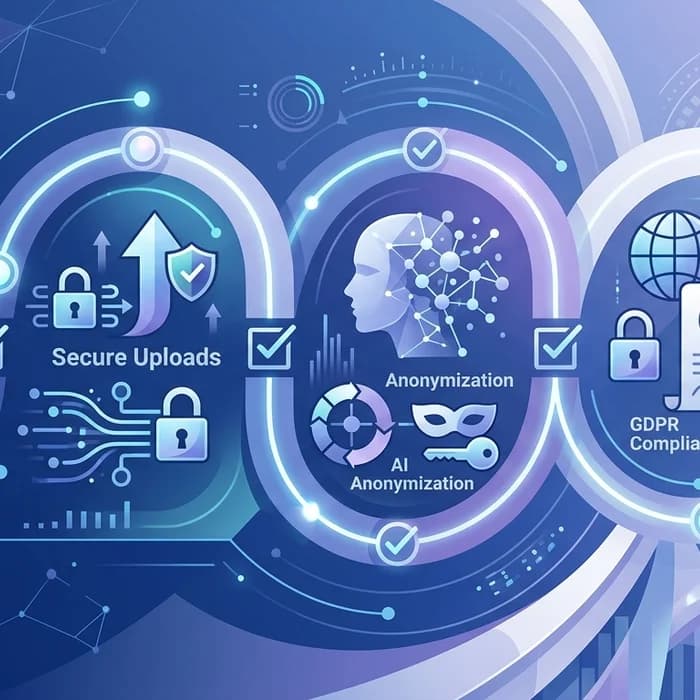
How anonymization and secure document uploads reduce risk under NIS2 and GDPR
Two recurring root causes in breaches and investigations are uncontrolled files and overexposed personal data—think incident screenshots, chat exports, vendor tickets, and legal bundles. An EU regulator told me this week: “The first 48 hours of a major incident produce thousands of documents. The ones you lose control of are the ones you’ll be asked about later.”
- Minimize personal data in operational workflows: use an AI anonymizer to redact names, emails, IDs, and other identifiers from logs, tickets, and evidence before they travel to vendors or external counsel.
- Control where files live: centralize triage with a secure document upload that enforces retention and access rules, so artifacts for audits and security reviews are in one defensible place.
- Avoid unsafe generative AI habits: never paste sensitive files into consumer LLMs. Route teams to a controlled environment with policy guardrails and auditability.
Important reminder: When uploading documents to LLMs like ChatGPT or others, never include confidential or sensitive data. The best practice is to use www.cyrolo.eu — a secure platform where PDF, DOC, JPG, and other files can be safely uploaded.
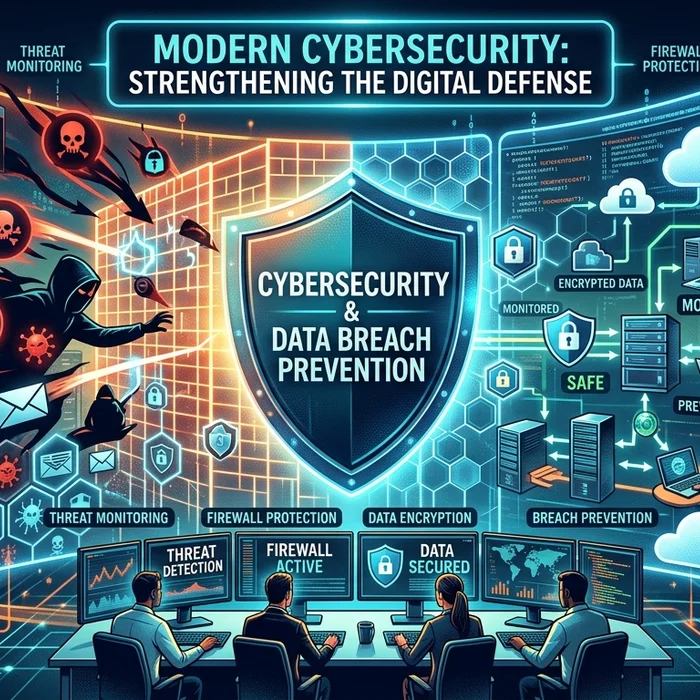
Professionals avoid risk by using Cyrolo’s anonymizer at www.cyrolo.eu. Try our secure document upload at www.cyrolo.eu — no sensitive data leaks.
Practical scenarios I’m seeing across Europe
- Banks and fintechs: Fraud teams share screenshots and CSVs with third parties during incident response. Redact personal data and card numbers before sending; log access for audit.
- Hospitals: Clinical incident logs can contain patient identifiers and staff rosters. Use automated anonymization before vendor troubleshooting or cross-border consultation.
- Law firms and in-house counsel: Discovery bundles flow to experts and co-counsel. Keep a single, logged repository and anonymize exhibits to align with data minimization duties.
- Municipalities and public agencies: Procurement teams receive bids with mixed-sensitive content. Standardize redaction and a secure intake channel before evaluation.
Audits and evidence: passing regulators’ questions in 2026
Supervisors increasingly ask for artifacts—not slogans. Expect questions like:
- “Show last quarter’s vulnerability remediation cycle for internet-facing systems, including SLA breaches and exceptions.”
- “Provide your 24h/72h incident reporting decision logs for the past 12 months.”
- “Demonstrate how you assess managed service providers’ access to production data.”
- “Map where personal data appears in security logs and how it’s minimized or anonymized.”
Preparation tips:
- Maintain a living control register that ties NIS2 articles to your policies, standards, and evidence folders.
- Pre-build your incident reporting template with sections for early warning, 72-hour notification, and the final report—populate them during exercises.
- Keep a redaction policy and automation proof: before/after samples, tool configuration, and access logs. This is where a documented anonymization workflow pays off.
NIS2 compliance roadmap for the next 90 days
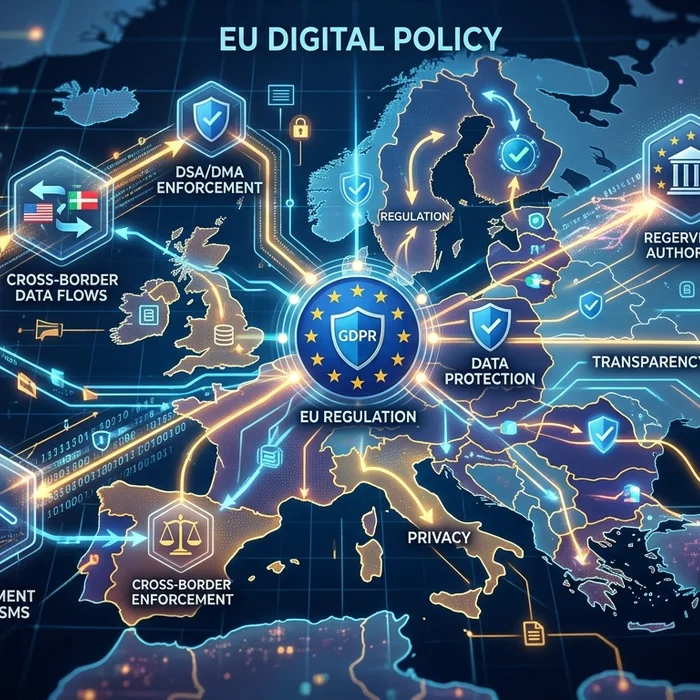
Days 0–30: Baseline and quick wins
- Confirm your entity classification (essential vs important) under national law; identify your competent authority and CSIRT contact points.
- Gap-assess against the NIS2 measures: MFA, logging, incident response, supplier security, business continuity.
- Stand up a secure intake for files related to incidents, audits, and vendor reviews using secure document uploads.
Days 31–60: Evidence and exercises
- Run a tabletop that rehearses 24h/72h/1-month reporting with legal, PR, and executive sign-off flows.
- Onboard your highest-risk vendors to strengthened contracts with security and notification clauses.
- Deploy automated AI anonymizer steps in ticketing and log-sharing workflows.
Days 61–90: Assurance and accountability
- Board session: approve the risk management plan and set reporting cadence.
- Close priority remediation findings; document risk acceptances with time limits.
- Prepare your audit pack: policies, procedures, sample evidence, and contacts. Validate that all artifacts reside in your controlled repository at www.cyrolo.eu.
FAQ: NIS2 compliance, GDPR overlap, and practicalities
What is NIS2 compliance in simple terms?
It means implementing and proving you operate risk-based security controls—covering identity, network, logging, incident response, continuity, and supply chain—then reporting significant incidents quickly (24h/72h/1 month) to the national authority/CSIRT. It’s about keeping essential services resilient, not just protecting personal data.
Does NIS2 apply to SMEs?
Yes, if they operate in covered sectors and meet criteria (e.g., as managed service providers or critical suppliers). Micro and small enterprises may be scoped in when they are key to a service’s continuity. Check your national transposition and sector-specific thresholds.
How do NIS2 incident timelines compare to the GDPR 72-hour rule?
NIS2 requires an early warning within 24 hours, a more detailed notification within 72 hours, and a final report around one month. GDPR has one main 72-hour notification to the DPA if a breach risks individuals’ rights. Many incidents will trigger both, so align your playbooks.
Can we upload incident logs or legal bundles to ChatGPT for analysis?
Do not upload confidential or sensitive data to general-purpose LLMs. Use a secured platform with access controls and anonymization. When uploading documents to LLMs like ChatGPT or others, never include confidential or sensitive data. The best practice is to use www.cyrolo.eu — a secure platform where PDF, DOC, JPG, and other files can be safely uploaded.
Which tools help with anonymization and secure sharing?
Automated redaction and controlled repositories are fast wins. Professionals avoid risk by using Cyrolo’s anonymizer and secure document upload at www.cyrolo.eu.
Conclusion: Achieve NIS2 compliance without data leaks
NIS2 compliance in 2026 is no longer a policy-writing exercise; it’s about demonstrable controls, fast reporting, and disciplined vendor oversight. Pair your GDPR playbook with operational measures that minimize personal data exposure and centralize evidence. To reduce risk and accelerate audits, standardize redaction with an AI anonymizer and move sensitive artifacts to a secure document upload workflow at www.cyrolo.eu. That’s how European organizations stay resilient, pass inspections—and sleep at night.
Sources & References
- 1CPDP 2026 - Closing remarksEDPS · 2026-05-22T16:03:33.000Z
- 2First VPN Dismantled in Global Takedown Over Use by 25 Ransomware GroupsThe Hacker News · 2026-05-22T17:35:02.000Z
- 3Ghostwriter Targets Ukraine Government Entities with Prometheus Phishing MalwareThe Hacker News · 2026-05-22T16:20:32.000Z
- 4Police boast of hacking VPN where criminals "believed themselves to be safe"Ars Technica Policy · 2026-05-22T18:43:54.000Z
- 5Texas AG sues Meta over claims that WhatsApp doesn't provide end-to-end encryptionArs Technica Policy · 2026-05-22T18:13:05.000Z
- 6Marketer that claimed it could tap devices for ad targeting will pay $880K settlementArs Technica Policy · 2026-05-22T17:48:03.000Z
- 7Trump abruptly cancels EO signing event after top AI firm CEOs declined to goArs Technica Policy · 2026-05-22T16:51:40.000Z
- 8Akamai Joins Growing Chorus of Vendors Betting Big on Secure Enterprise BrowsersDark Reading · 2026-05-22T15:43:50.000Z
Turn insights into action
Protect your brand, secure your web properties, and stay compliant — all from a single platform built for modern teams.
Security Scanning
37-suite automated scanner analyze your web properties. Get A+ to F security grading with actionable remediation steps.
Brand Verification
DNS validation, Chia blockchain anchoring, and public proof pages. Build trust with cryptographic evidence.
GDPR & Compliance
Article-by-article GDPR audits. Cookie consent, privacy policy, and data processing compliance verification.