NIS2 compliance in 2026: A practical playbook for EU CISOs, DPOs, and counsel
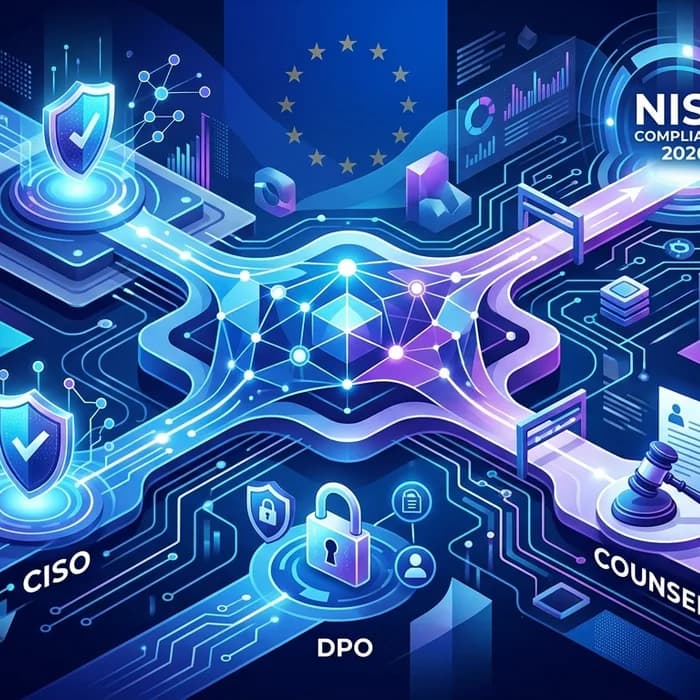
Brussels is in an enforcement mood. In today’s IMCO committee briefing, lawmakers reiterated that cybersecurity and consumer protection are converging fast—and that the grace period is over. Against a backdrop of fresh campaigns hitting hospitals and SMBs, NIS2 compliance has moved from a policy acronym to a board-level survival topic. If your organization touches essential services or critical supply chains, your next audit may focus as much on data flows and document handling as on firewalls and SOC metrics.
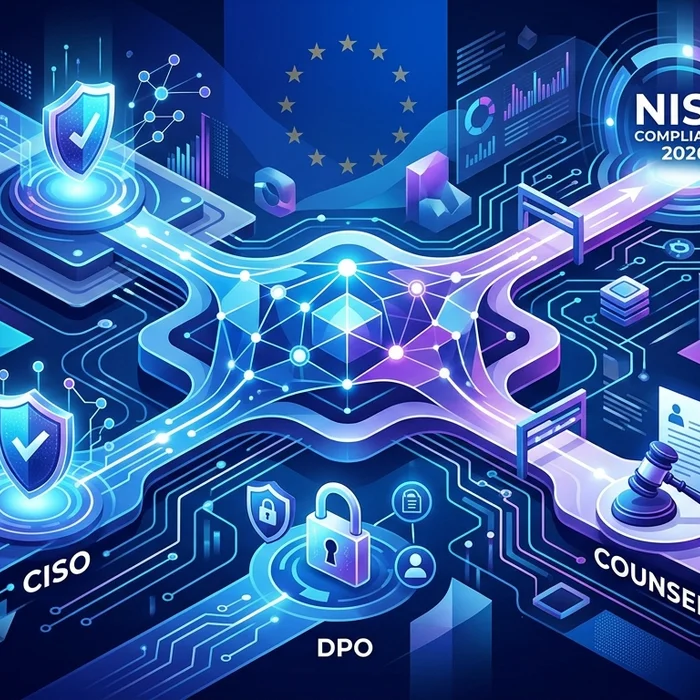
As I’ve heard from multiple EU regulators and CISOs this quarter, the new baseline mixes NIS2’s operational discipline with GDPR’s precision on personal data. That’s where pragmatic controls—like an AI anonymizer and secure document uploads—now decide whether incident reports, vendor exchanges, and AI-assisted analysis stay compliant.
What NIS2 compliance really requires in 2026
NIS2 is in force across the EU, with national transpositions maturing and supervisory authorities launching targeted checks. The directive widens scope to “essential” and “important” entities across sectors such as energy, transport, health, finance, digital infrastructure, ICT services, public administration, and more. Expect the following pillars to be tested in 2026:
- Risk management measures: documented policies for asset inventory, supply chain security, encryption, access control, logging, secure development, business continuity, and incident response.
- Incident reporting: early warning within 24 hours, follow-up within 72 hours, and a final report within one month.
- Supply chain oversight: demonstrable due diligence on ICT providers and critical third parties, including contractual security requirements.
- Board accountability: management must approve and oversee cybersecurity risk management; training is expected.
- Enforcement and fines: for essential entities, up to €10 million or 2% of global annual turnover (whichever is higher); for important entities, up to €7 million or 1.4%.
In a recent debrief, a CISO of a pan‑EU healthcare network told me their authority demanded a complete map of high‑risk data flows—including how logs and reports leave the perimeter—within 10 working days during a post‑incident audit. The fastest wins came from automating redaction of personal data in incident attachments and controlling how files are uploaded to analysis tools.
GDPR vs NIS2: obligations side by side
NIS2 and GDPR overlap but are not duplicates. GDPR governs personal data processing; NIS2 governs cybersecurity risk management for networks and information systems. Together, they shape how you detect, report, and share information safely.
| Topic | GDPR | NIS2 |
|---|---|---|
| Scope | Personal data processing by controllers/processors in the EU (and extraterritorial reach) | Security of network and information systems for essential/important entities in listed sectors |
| Core obligation | Lawful, fair, transparent processing; data minimization; integrity and confidentiality; DPIA where needed | Risk management measures; incident handling; supply chain security; business continuity and crisis management |
| Incident/Breach reporting | Notify supervisory authority within 72 hours of becoming aware of a personal data breach; inform data subjects if high risk | Early warning within 24 hours; incident notification within 72 hours; final report within one month |
| Penalties | Up to €20 million or 4% of global annual turnover | Essential: up to €10 million or 2%; Important: up to €7 million or 1.4% |
| Data handling practice | Pseudonymization/strong anonymization reduce risk and scope | Secure information sharing with regulators/CSIRTs; avoid leaking sensitive or personal data in reports |
NIS2 compliance workflows that actually pass audits
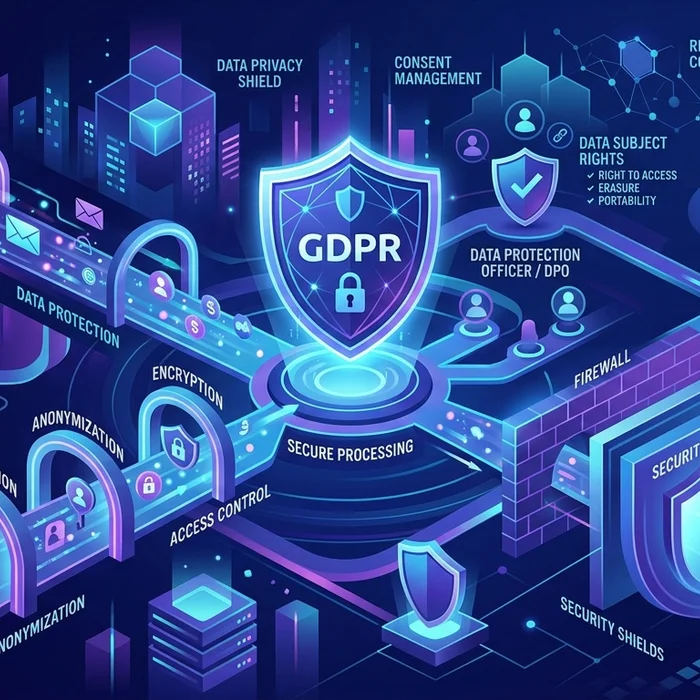
I’ve sat through enough regulator briefings to know auditors gravitate to the same chokepoints. Fix these, and you take most oxygen away from findings.
1) Incident reporting pack
- Pre‑write templates for 24h, 72h, and 1‑month submissions, including evidence checklists.
- Automate redaction/anonymization of personal data in logs, screenshots, and email exports before attachment.
- Keep a register of what you shared, when, and with whom (authority, CSIRT, law enforcement).
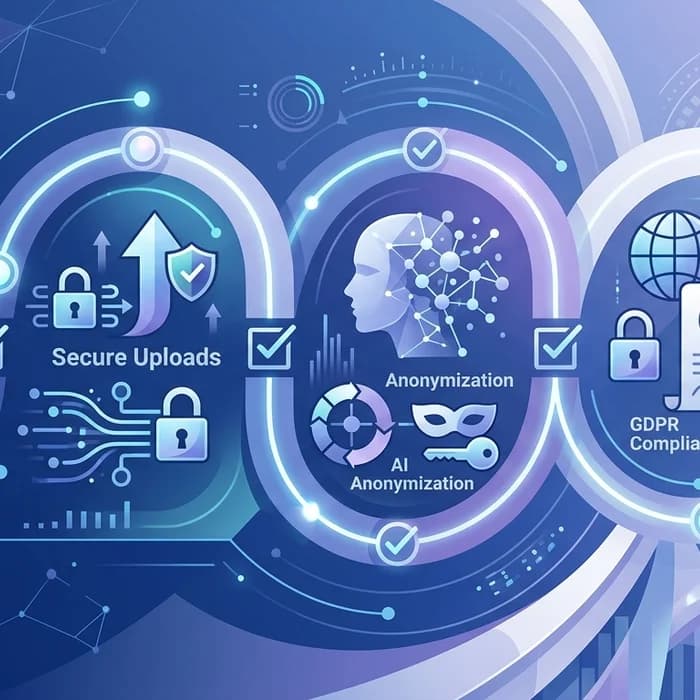
Professionals avoid risk by using Cyrolo’s anonymizer to strip names, emails, IDs, and other personal data from incident evidence before it leaves the SOC.
2) Supply chain and vendor exchanges
- Mandate secure channels for file exchange with MSPs and IR partners.
- Ensure contracts require GDPR‑compliant handling of personal data and NIS2‑level incident cooperation.
- Use secure document uploads when triaging logs or sharing tickets with third parties.
3) AI and document analysis policy
- Define which tools are approved, who can upload what, and when anonymization is mandatory.
- Redact PII and secrets before any AI/LLM analysis of tickets, chat transcripts, or forensics notes.
- Log prompts, files, and outputs for auditability.
Compliance reminder: When uploading documents to LLMs like ChatGPT or others, never include confidential or sensitive data. The best practice is to use www.cyrolo.eu — a secure platform where PDF, DOC, JPG, and other files can be safely uploaded.
4) Evidence that security is lived, not laminated
- Show training records for executives and admins.
- Demonstrate continuous logging coverage and retention aligned with forensics needs.
- Present corrective actions from the last tabletop exercise and how they were closed.
Field notes: where organizations still stumble
Three recurring pitfalls surfaced in my recent interviews with EU practitioners:
- Hospitals and clinics: clinical screenshots embedded in tickets often expose patient names and identifiers. One regional hospital avoided a secondary GDPR notification by running those exports through an AI anonymizer before sending to their EHR vendor.
- SMBs and municipalities: “quick” uploads of raw logs to external tools. A city IT desk leaked staff emails and mobile numbers during a phishing investigation because there was no redaction step. Implementing secure document uploads with enforced pre‑anonymization closed the gap.
- Law firms and consultancies: draft incident reports moving by email to multiple parties, each adding comments. Version sprawl leads to untracked disclosures. Centralize uploads and require anonymization at source.
Recent campaigns targeting clinics and SMBs in Europe are a reminder: the pressure won’t ease. Whether it’s data‑theft malware or long‑running ransomware, regulators will ask why unnecessary personal data ended up in shared artifacts.
Compliance checklist: your next 30 days
- Map data-in-motion for incidents: where do tickets, logs, and screenshots travel outside your perimeter?
- Install an automated redaction step for all outbound security evidence and reports.
- Standardize incident templates aligned to 24h/72h/1‑month NIS2 timelines and GDPR breach notices.
- Update vendor contracts with NIS2/GDPR clauses; test secure file exchange paths.
- Approve a short list of tools for analysis; require secure document upload and anonymization before AI use.
- Run a tabletop simulating both NIS2 incident reporting and GDPR breach notification; record outcomes.
- Brief the board on roles, liabilities, and evidence expectations; schedule annual training.
Try our secure document upload at www.cyrolo.eu — no sensitive data leaks, no accidental oversharing.
How Cyrolo reduces both operational and regulatory risk
From my vantage point in Brussels, the tools that earn regulator nods are the ones that make good behavior the default. Two controls stand out:
- AI-powered anonymization: automatically removes names, emails, phone numbers, IDs, and other personal data from PDFs, DOCs, images, and logs before you share or analyze. Use Cyrolo’s anonymizer to keep incident packages tight and compliant.
- Controlled, encrypted uploads: centralized, trackable, and policy‑enforced file handling to vendors, auditors, and AI tools. Start with secure document uploads and you’ll stop most accidental disclosures at the source.
In my conversations with EU supervisors, these two measures consistently shorten audits and cut the number of corrective actions issued after incidents.
FAQs: NIS2, GDPR, and safe sharing
What is NIS2 compliance in simple terms?
It means proving you run documented, risk‑based cybersecurity across your operations and supply chain, and that you can detect, manage, and report incidents on tight timelines. Expect scrutiny of how you share evidence and whether personal data is exposed along the way.
Does NIS2 apply to SMEs?
Yes, if you are designated as an “important entity” in a covered sector or if you provide critical services to essential entities. Many ICT service providers and MSPs fall in scope regardless of size due to systemic impact.
How does NIS2 interact with GDPR during incidents?
They can both apply. You may need to file NIS2 incident reports (24h/72h/1‑month) and, if personal data is affected, a GDPR breach notification to your data protection authority within 72 hours. Anonymizing evidence before sharing reduces collateral exposure and often narrows GDPR impact.
Is it safe to upload logs or case files to AI tools?
Only if you remove personal and confidential data first and use a controlled, auditable upload path. Never paste raw tickets, emails, or screenshots into public tools. When uploading documents to LLMs like ChatGPT or others, never include confidential or sensitive data. The best practice is to use www.cyrolo.eu — a secure platform where PDF, DOC, JPG, and other files can be safely uploaded.
What are the NIS2 incident reporting deadlines?
Early warning within 24 hours, incident notification within 72 hours, and a final report within one month. Have templates, contact lists, and an anonymization step ready so you can move fast without oversharing.
Conclusion: make NIS2 compliance routine, not heroic
Europe’s enforcement posture in 2026 rewards teams that operationalize the basics: strong controls, clean evidence, disciplined sharing. Treat NIS2 compliance as a daily workflow—pair it with GDPR’s data‑minimization ethos—and you’ll survive audits and reduce breach fallout. Start by removing sensitive details from anything you send outside the perimeter and by centralizing how files reach partners and AI tools. Use Cyrolo’s anonymizer and secure document upload at www.cyrolo.eu to turn those promises into defaults.
Sources & References
- 1Video of a committee meeting - Thursday, 16 April 2026 - 08:00 - Committee on the Internal Market and Consumer ProtectionEU Parliament IMCO · 2026-04-16T09:08:18.000Z
- 2UAC-0247 Targets Ukrainian Clinics and Government in Data-Theft Malware CampaignThe Hacker News · 2026-04-16T06:20:00.000Z
- 36-Year Ransomware Campaign Targets Turkish Homes & SMBsDark Reading · 2026-04-16T06:00:00.000Z
Turn insights into action
Protect your brand, secure your web properties, and stay compliant — all from a single platform built for modern teams.
Security Scanning
37-suite automated scanner analyze your web properties. Get A+ to F security grading with actionable remediation steps.
Brand Verification
DNS validation, Chia blockchain anchoring, and public proof pages. Build trust with cryptographic evidence.
GDPR & Compliance
Article-by-article GDPR audits. Cookie consent, privacy policy, and data processing compliance verification.