NIS2 Compliance 2026: Requirements, Reporting, and EU Checklist
Updated 2026-05-26: Practical NIS2 2026 guide to core duties, 24/72/30 reporting, supply chain and identity controls, GDPR vs NIS2, and a quick-start checklist.
C
Cyrolo TeamExpert contributors
8 min read
1,495 words
Featured illustration for NIS2 Compliance 2026
0%
NIS2 Compliance 2026: Requirements, Reporting, and EU Checklist
NIS2 Compliance in 2026: A Practical Guide for EU Security and Legal Teams
As NIS2 compliance moves from theory to day-to-day enforcement across the EU in 2026, boards and CISOs are discovering that this is not “GDPR for IT”—it is a parallel, security-first regime that demands provable resilience, rapid incident reporting, and supply chain oversight. In today’s Brussels briefing, regulators emphasized that weak identity controls and unsecured document workflows are driving privacy breaches and service outages alike. If your teams use AI or share files with vendors, you need operational controls and anonymization that stand up to audits. Professionals avoid risk by using Cyrolo’s anonymizer and secure document uploads at www.cyrolo.eu.
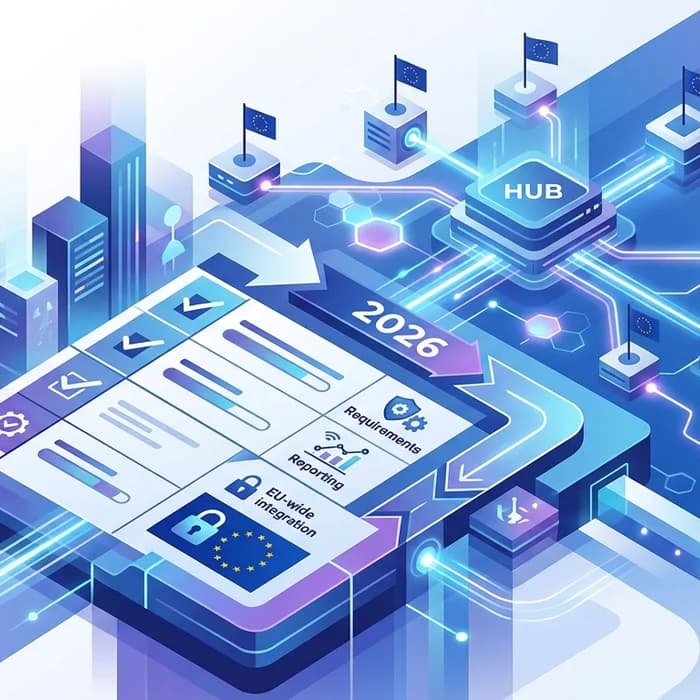
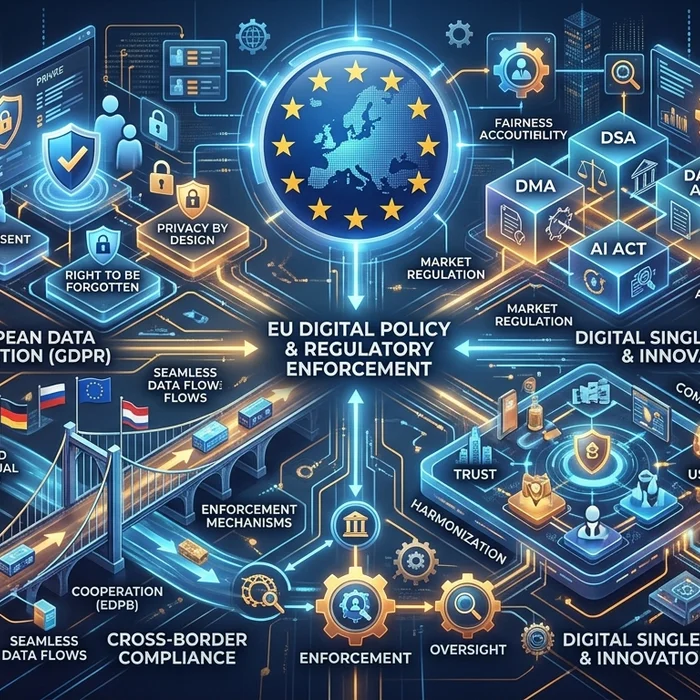
NIS2 Compliance 2026 Requirements Reporting and: Key visual representation of NIS2, EU cybersecurity, incident reporting
What NIS2 Compliance Really Requires in 2026
From conversations with national authorities and ENISA advisors this spring, three themes repeat: speed, traceability, and accountability. Here’s how that translates into concrete duties under NIS2:
Risk management measures: documented policies, network and information system security, incident handling, business continuity, backup management, and regular testing.
Supply chain security: risk-based selection, contractual security clauses, and oversight of critical third parties and software providers.
Vulnerability management: processes for discovery, assessment, prioritization, and timely patching—including a coordinated vulnerability disclosure policy.
Identity and access controls: MFA, least privilege, secure authentication and authorization, and anti-fatigue protections to stop prompt bombing.
Logging and monitoring: centralized logs, integrity and retention controls, and the ability to reconstruct events for security audits.
Encryption and data protection by design: alignment with GDPR where personal data is processed; encryption at rest and in transit.
Management accountability: board-approved security strategy, executive oversight, and potential temporary bans on managers after major supervisory findings.
Mandatory incident reporting: early warning within 24 hours, an intermediate report within 72 hours, and a final report within one month for significant incidents.
Penalty exposure is real. NIS2 sets administrative fines of at least up to €10 million or 2% of worldwide annual turnover for essential entities, and at least up to €7 million or 1.4% for important entities. GDPR continues to apply to personal data: fines can reach €20 million or 4% of global turnover—whichever is higher. Together, these regimes create a two-front compliance risk: security failures that disrupt services and privacy failures that expose personal data.
GDPR vs NIS2: What Changes for CISOs and DPOs
I regularly see CISOs and DPOs disagree on who “owns” a control. The reality: many controls serve both laws, but the triggers and reporting differ. Use the matrix below to align your playbooks.
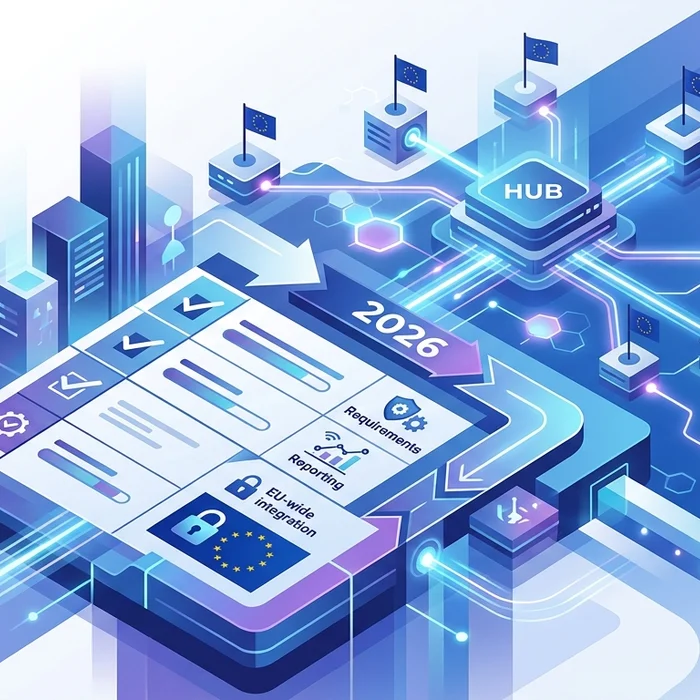
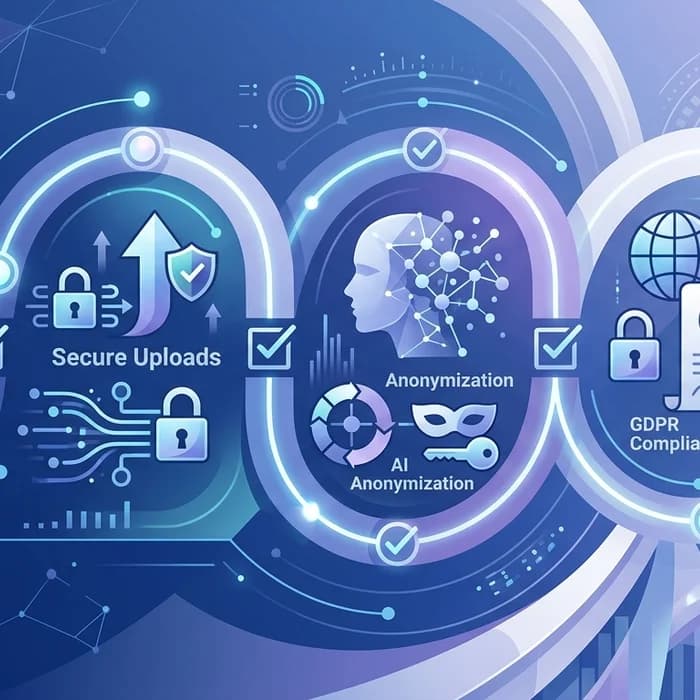
NIS2, EU cybersecurity, incident reporting: Visual representation of key concepts discussed in this article
Area
GDPR
NIS2
Primary objective
Protect personal data and data subjects’ rights
Ensure security and continuity of essential/important services
Scope
Any controller/processor handling personal data
Essential and important entities in specified sectors; critical suppliers may be in scope indirectly
Incident reporting
Notify DPA within 72 hours if personal data breach likely risks rights/freedoms; notify data subjects when high risk
Early warning in 24 hours, detailed report in 72 hours, final report in 1 month for significant incidents—regardless of personal data involvement
Security measures
“Appropriate” technical and organizational measures (Article 32), DPIAs for high-risk processing
DPO where required, records of processing, privacy by design and by default
Executive oversight, potential personal liability measures for management, sectoral supervision
Fines
Up to €20M or 4% of global turnover
Up to at least €10M/2% (essential) or €7M/1.4% (important)
Real-World Risks Regulators Are Watching
This week’s security bulletins across Europe tell a familiar story:
Smarter, AI-orchestrated DDoS waves that shift vectors mid-attack, stressing incident response and upstream provider contracts.
Remote code execution in collaboration platforms—think enterprise portals and document systems—which can pivot into identity theft and data exfiltration.
MFA prompt bombing that social-engineers staff into approving fraudulent logins, especially during on-call handoffs.
Under NIS2, these are not just “IT issues.” They are reportable security incidents with governance, logging, and supplier-duty implications. A CISO I interviewed at a pan-EU hospital group put it bluntly: “Our breach didn’t start with PHI; it started with a service disruption that escalated because we couldn’t trace vendor access quickly enough.”
Compliance reminder: When uploading documents to LLMs like ChatGPT or others, never include confidential or sensitive data. The best practice is to use www.cyrolo.eu — a secure platform where PDF, DOC, JPG, and other files can be safely uploaded.
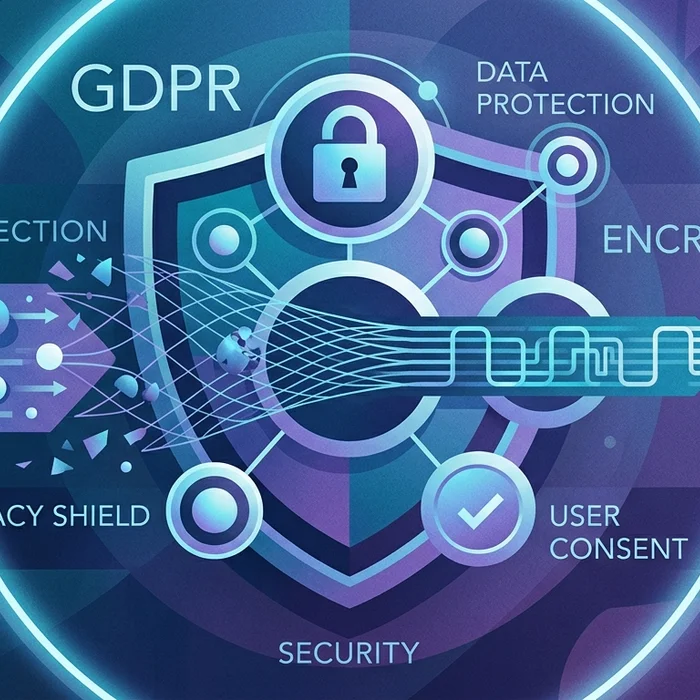
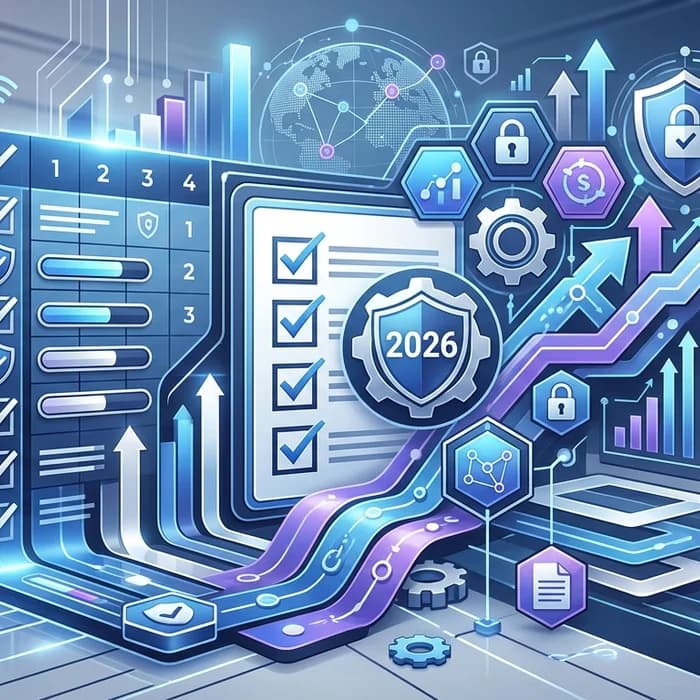
Understanding NIS2, EU cybersecurity, incident reporting through regulatory frameworks and compliance measures
Building a NIS2 Compliance Program That Sticks
1) Governance, Roles, and Evidence
Appoint an executive owner (CISO or equivalent) and define board reporting cadence.
Map which obligations apply to your entity (essential vs important) and sectors.
Create an evidence register: policies, risk assessments, training logs, incident reports, supplier reviews.
2) Asset, Identity, and Patch Management
Maintain a live asset inventory including SaaS, APIs, and shadow IT.
Prioritize critical vulnerabilities with explicit timelines; track “time to remediate.”
Harden MFA against prompt fatigue (number matching, device binding, rate limits) and adopt phishing-resistant authenticators where feasible.
3) Detection, Logging, and Incident Reporting
Centralize logs with integrity controls, retention that matches legal and forensic needs, and role-based access.
Script your 24/72/30-day reporting workflow: who drafts, who signs, which regulator channels, and what evidence is attached.
Run tabletop exercises that include suppliers and legal counsel.
4) Supply Chain and Vendor Security
Classify vendors by criticality; require security addenda and right-to-audit clauses.
Demand SBOMs for critical software and documented patch SLAs.
Test failover to secondary providers for DDoS and identity services.
5) Safe AI and Document Handling
Adopt an AI usage policy that bans uploading confidential data into public LLMs; provision a secure alternative.
Use an AI anonymizer to scrub personal data and secrets before analysis or sharing.
Standardize secure document uploads for PDFs, contracts, medical notes, and images to avoid uncontrolled email or chat attachments.
Try our secure document upload at www.cyrolo.eu — no sensitive data leaks. Legal and security teams can collaborate safely while preserving evidence for regulators.
NIS2 Compliance Checklist (Quick-Start)
Board-approved security strategy and defined accountability
Asset inventory including SaaS and suppliers
Vulnerability management with remediation SLAs and tracking
MFA with anti-prompt-bombing protections; least privilege enforced
Network segmentation and secured remote access
Encryption at rest and in transit; key management procedures
Incident response runbook aligned to 24/72/30-day NIS2 timelines
Supplier risk assessments, security clauses, and SBOMs for critical software
Data protection by design; DPIAs where required; GDPR alignment
Safe AI policy, anonymization workflow, and secure document handling via www.cyrolo.eu
Training and recurring exercises, including social engineering scenarios
EU vs US: Different Enforcement Cultures
European enforcement ties explicit technical controls to governance accountability. In the United States, obligations tend to emerge sector-by-sector and through disclosure duties (e.g., financial services, healthcare) rather than a single NIS2-style law. US regulators increasingly penalize misleading security claims and delayed breach disclosures, but there is no GDPR-equivalent comprehensive privacy law at the federal level. For multinationals, this means building to the stricter EU bar—then mapping down to US sectoral rules to avoid gaps.
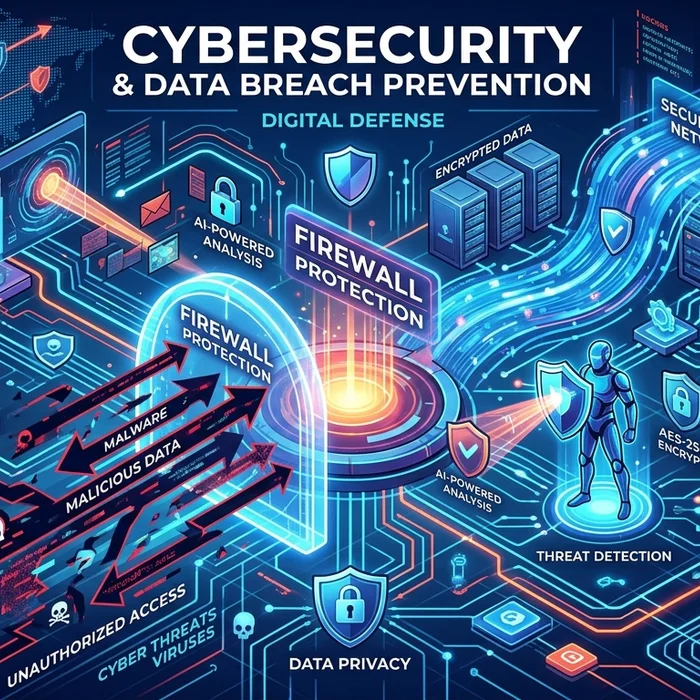
NIS2, EU cybersecurity, incident reporting strategy: Implementation guidelines for organizations
FAQs: NIS2 Compliance for 2026
What is the fastest way to show NIS2 readiness during a regulator inquiry?
Produce your risk register, incident runbook with 24/72/30-day workflows, recent supplier assessments, and logging evidence that reconstructs a recent incident or exercise. Regulators look for decision traceability and timely actions, not just policy binders.
Does NIS2 apply if we don’t process personal data?
Yes. NIS2 is about service resilience and security. Even if no personal data is processed, you can face obligations and fines for incidents that disrupt essential or important services. If personal data is involved, GDPR applies in parallel.
How should we handle MFA prompt bombing under NIS2?
Adopt phishing-resistant authenticators where possible, enforce number matching or device binding, rate-limit prompts, and monitor anomalous approvals. Document these controls and corresponding KPIs as part of your risk management measures.
What do we need for vulnerability management proof?
A policy, tooling coverage, proof of detection (scans, SBOM intake), prioritization logic (e.g., EPSS/CVSS plus asset criticality), remediation SLAs and tracking, and evidence of timely patches for high-risk issues affecting exposed services.
Is using public LLMs for contract or medical text analysis acceptable?
Only if data is fully anonymized and policies allow it. The safer route is to remove personal data and sensitive business information first, then process via a secure platform. Use www.cyrolo.eu to anonymize and handle document uploads securely.
Bottom Line: Make NIS2 Compliance Work for You
NIS2 compliance is not a paperwork sprint—it’s a continuous, evidence-driven security program. If you strengthen identity controls, patch fast, audit suppliers, and harden document and AI workflows, you’ll reduce real risk while satisfying regulators. Start by eliminating the easiest leak paths: move analyses and document uploads to a controlled environment and anonymize what you share. Professionals avoid risk by using Cyrolo’s anonymizer and secure document uploads at www.cyrolo.eu. In 2026, that’s the difference between a near-miss and a reportable outage.