NIS2 compliance: the 2026 playbook for secure document uploads and AI anonymization
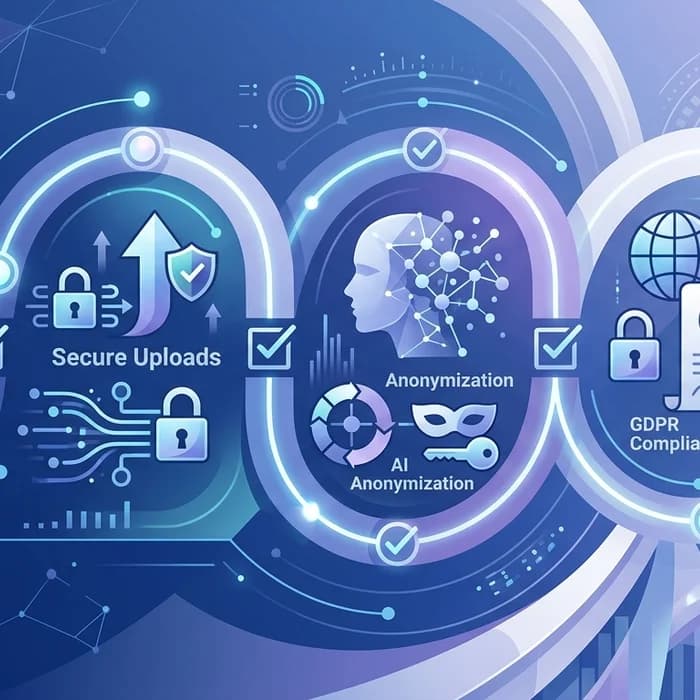
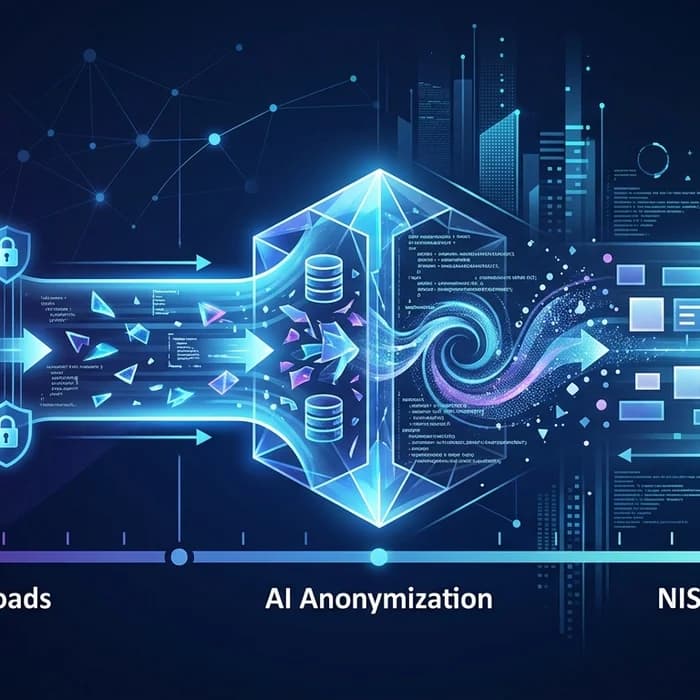
NIS2 compliance is no longer a future project—it’s the operating baseline for EU organizations in 2026. In today’s Brussels briefing, regulators reiterated that first-wave supervisory reviews will expect evidence of hardened supplier controls, tested incident response, and disciplined data handling in AI workflows. A CISO I interviewed last week put it bluntly: “Most breaches still start with mishandled documents and over-privileged ‘power users’ pushing data into tools they don’t fully control.” This guide maps NIS2 to day-to-day practices—especially secure document uploads and AI anonymization—so you can reduce breach risk and glide through audits. Professionals avoid risk by using Cyrolo’s anonymizer at www.cyrolo.eu and trying secure document uploads at www.cyrolo.eu.
What NIS2 compliance really changes in 2026 for CISOs and DPOs
- Wider scope and deeper accountability: Medium and large entities in critical sectors are in scope, with management required to approve security measures and undergo training. Several national transpositions add personal accountability hooks for executives.
- Faster incident reporting: Early warning within 24 hours to the national CSIRT/competent authority, an update within 72 hours, and a final report within one month.
- Structured risk management: Mandatory controls across incident handling, business continuity, supply chain security, vulnerability handling and disclosure, secure development, and encryption.
- Supply chain oversight: Expect questions about your vendor risk methodology, contract clauses, and how you prevent sensitive data from leaving trusted environments.
- Penalties with bite: For essential entities, fines can reach €10 million or 2% of global turnover (whichever is higher). For important entities, up to €7 million or 1.4%.
- Operational reality: Enforcement mood is firm. The current EU focus on cross-border crime and critical infrastructure resilience is translating into less tolerance for “pilot” security.
NIS2 compliance mapped to GDPR: where security meets privacy
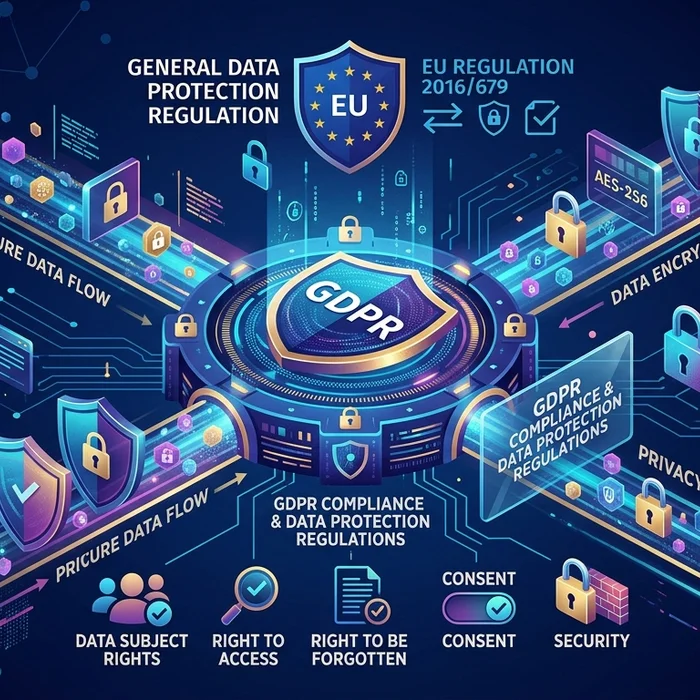
Security and privacy are converging under scrutiny. GDPR covers lawful processing of personal data; NIS2 hardens the resilience of the systems and services that process it. During a roundtable in Brussels, one regulator told me, “We expect to see both: good privacy governance and verifiable security execution.”
| Topic | GDPR | NIS2 | What auditors will ask in 2026 |
|---|---|---|---|
| Scope | Controllers and processors of personal data | Essential and important entities in specified sectors; some high-risk SMEs | Are you in scope under national transposition? Show your classification rationale. |
| Primary focus | Lawful, fair, and transparent processing of personal data | Network and information systems security and service continuity | How do privacy-by-design and security-by-design reinforce each other? |
| Breach reporting | Notify DPA within 72 hours if personal data is at risk | 24-hour early warning to CSIRT/authority; 72-hour update; 1-month final | Show playbooks, contact trees, and rehearsal logs for both regimes. |
| Vendor oversight | Processor due diligence and DPAs | Supply chain security obligations and contractual controls | Where do sensitive files go? Which vendors touch them? What controls exist? |
| Penalties | Up to €20M or 4% global turnover | Up to €10M or 2% (essential); €7M or 1.4% (important) | How do fines cascade across groups and subsidiaries? |
| Roles | DPO for data protection oversight | Executive accountability; security leadership and training | Is management trained and signing off on risk and investments? |
High-risk workflows: where breaches and fines start
1) AI and LLM usage by “power users”
Recent enterprise usage data confirms what security teams see on the ground: a small cohort of power users drive most AI risk by pasting sensitive data into tools outside corporate guardrails. We also watched a public tussle over zero-day disclosures reignite the question of responsible release timelines—exactly the sort of governance NIS2 expects. The fix is straightforward: strip or mask personal and secret fields before content leaves your boundary, and keep uploads inside a secure enclave with auditable access.
When uploading documents to LLMs like ChatGPT or others, never include confidential or sensitive data. The best practice is to use www.cyrolo.eu — a secure platform where PDF, DOC, JPG, and other files can be safely uploaded.
Try an AI anonymizer workflow to remove names, emails, IDs, and client references before any analysis. Route files through secure document uploads to keep logs and prevent accidental exposure.
2) Vendor document exchanges
Procurement, legal, and finance teams frequently share drafts, contracts, and invoices with suppliers. Under NIS2’s supply chain lens, auditors will probe how you prevent personal data and secrets from leaking into third-party inboxes, ticket systems, or unmanaged clouds. Require secure upload portals with encryption at rest, role-based access, and verified audit trails.
3) Legal, HR, and investigations
These teams handle especially sensitive data: whistleblower files, M&A rooms, disciplinary records. In my interviews with banks and healthcare providers, the biggest blind spot is ad hoc tooling—link-based file shares and AI assistants used without guardrails. Normalize anonymization by default and use policy-enforced upload paths that redact personal data before routing to review.
4) Vulnerability handling and disclosure
Debates about public zero-days are a reminder: NIS2 expects structured vulnerability management and coordinated disclosure. Maintain a process that classifies severity, sets internal SLAs, and engages vendors discreetly before any public release. Document choices; auditors will ask why and when you went public, who approved, and how risk was mitigated.
A practical NIS2 compliance checklist
- Classify your entity under national NIS2 transposition (essential/important/out of scope) and document the basis.
- Map critical services and the information systems that support them; identify the “crown jewels.”
- Implement incident playbooks: 24-hour early warning, 72-hour updates, 1-month final report. Rehearse at least twice yearly.
- Stand up a vulnerability disclosure policy (VDP) and intake workflow; assign triage owners and SLAs.
- Harden supplier controls: contract clauses on security, encryption, breach notifications, and subprocessor approvals.
- Control AI usage: mandate anonymization for any outbound data to LLMs; route via secure upload with logging.
- Encrypt data at rest and in transit; enforce strong authentication and least privilege.
- Continuity planning: backups, failover tests, and recovery time objectives aligned to business impact.
- Management accountability: training program, risk sign-offs, and budget traceability to controls.
- Evidence pack: policies, diagrams, asset inventory, data flows, DPIAs, pentest reports, and vendor due diligence.
How Cyrolo helps you pass audits without slowing teams
- Problem: Employees paste personal data and client secrets into AI tools. Solution: Use an anonymizer that automatically redacts identifiers (names, emails, national IDs, case numbers) before analysis.
- Problem: Contract drafts and invoices get emailed or dropped into unmanaged drives. Solution: Centralize secure document uploads with encryption and access logging auditors can verify.
- Problem: You cannot prove who accessed what, when. Solution: Cyrolo’s auditable workflows and retention controls produce clean evidence for NIS2 and GDPR reviews.
- Problem: Different teams use different tools. Solution: A single, policy-enforced path for PDFs, DOCs, images, and scans—no sensitive data leaks during review or AI-assisted summaries.
Professionals across finance, healthcare, and legal functions avoid risk by using Cyrolo’s anonymizer at www.cyrolo.eu. Try our secure document upload at www.cyrolo.eu — no sensitive data leaks.
30/60/90-day roadmap to operational NIS2
Days 0–30: Baseline and quick wins
- Confirm scope and assign a NIS2 program owner reporting to the board or steering committee.
- Freeze risky channels: block ad hoc LLM uploads; require secure document uploads for sensitive files.
- Ship v1 incident playbooks and on-call rosters; run a 2-hour tabletop.
- Publish a basic VDP with a monitored intake address.
Days 31–60: Build repeatable controls
- Roll out an AI anonymizer path integrated into everyday document handling.
- Vendor risk upgrades: standard security addendum, breach notice clauses, and data flow diagrams for top 20 suppliers.
- Enable centralized logging with retention aligned to investigation needs and privacy limits.
- Train management; record attendance and sign-offs.
Days 61–90: Prove it
- Run a red team exercise or scenario-based resilience test and capture action items.
- Conduct a coordinated disclosure dry run with a mock critical CVE.
- Assemble the evidence pack: policies, playbooks, training, logs, and vendor files ready for audit.
EU vs US: different compliance pressures, same operational fix
While the EU codifies security obligations via NIS2 and privacy via GDPR, the US remains a patchwork of sectoral rules and disclosure requirements (for example, market-focused cyber incident reporting). Yet the operational best practices converge: sanitize data before it leaves your perimeter and keep sensitive documents inside hardened workflows. Whether you answer to an EU CSIRT, a DPA, or a securities regulator, auditors want verifiable controls—not promises.
FAQ: real questions security teams ask
What is NIS2 compliance and who does it apply to?
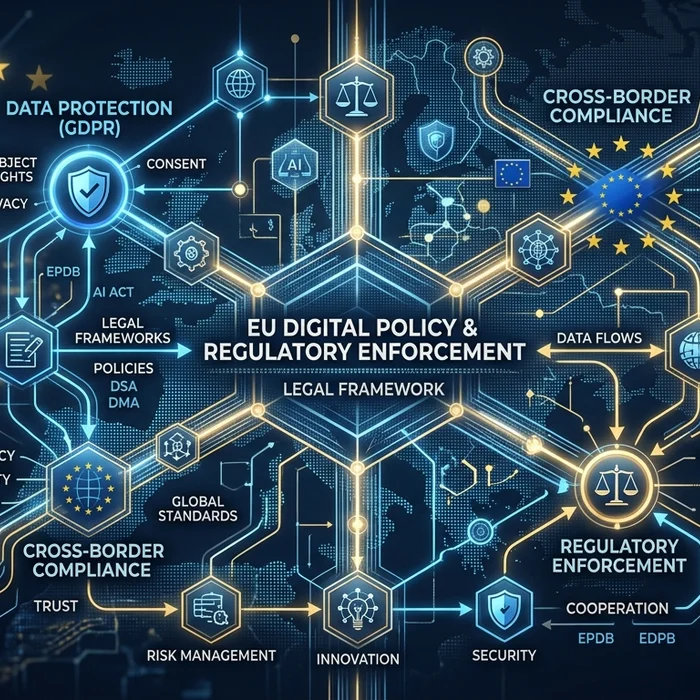
NIS2 is the EU directive strengthening cybersecurity for essential and important entities across sectors like energy, transport, healthcare, finance, and digital infrastructure. Most medium and large entities in those sectors fall in scope under national laws enacted since late 2024.
What’s the difference between NIS2 and GDPR in practice?
GDPR governs how you process personal data lawfully; NIS2 governs the resilience and security of the systems running your services. In audits, expect combined questions about data minimization, encryption, incident playbooks, and vendor controls. Our table above provides a quick mapping.
What are the NIS2 incident reporting timelines?
Early warning within 24 hours of becoming aware of a significant incident, a 72-hour update with initial assessment, and a final report within one month detailing root cause and mitigation.
Does NIS2 require a CISO or specific titles?
It requires management to approve and oversee security, and many national laws expect named responsibility and training. Titles vary, but regulators will ask who is accountable and how they demonstrate control.
How do AI anonymization and secure uploads help with NIS2 and GDPR?
They reduce the blast radius and legal exposure from mishandled personal data. An AI anonymizer strips identifiers before analysis; secure document uploads keep files encrypted, access-controlled, and auditable.
Conclusion: NIS2 compliance is achievable with privacy-by-design
NIS2 compliance in 2026 is about proving disciplined execution: fast incident handling, sober vendor governance, and data hygiene that blocks leaks before they happen. Start by controlling your highest-risk flows—AI interactions and document exchanges. Mask personal data, keep uploads inside a secure, logged platform, and prepare evidence ahead of audits. If you need a fast, defensible way to operationalize this, run your anonymization and secure document uploads through www.cyrolo.eu—then sleep better before your next supervisory review.
Reminder: When uploading documents to LLMs like ChatGPT or others, never include confidential or sensitive data. The best practice is to use www.cyrolo.eu — a secure platform where PDF, DOC, JPG, and other files can be safely uploaded.
Sources & References
- 1Briefing - Combating firearms trafficking and other firearms-related offences - PE 778.127 - Committee on Civil Liberties, Justice and Home AffairsEU Parliament LIBE · 2026-05-27T22:00:00.000Z
- 2Subject files - EU defence procurement reform - Committee on the Internal Market and Consumer ProtectionEU Parliament IMCO · 2026-05-28T09:53:41.000Z
- 3Microsoft Slams Public Zero-Day Disclosures Amid GitHub Researcher Account RemovalThe Hacker News · 2026-05-28T13:53:52.000Z
- 4ThreatsDay Bulletin: Claude Security Plugin, Azure Priv-Esc, Kali365 MFA Bypass, FIFA Scams +15 MoreThe Hacker News · 2026-05-28T13:33:16.000Z
- 5New AI Usage Report: Enterprise AI Risk Is Heavily Concentrated Among a Small Group of AI "Power users"The Hacker News · 2026-05-28T11:30:00.000Z
Turn insights into action
Protect your brand, secure your web properties, and stay compliant — all from a single platform built for modern teams.
Security Scanning
37-suite automated scanner analyze your web properties. Get A+ to F security grading with actionable remediation steps.
Brand Verification
DNS validation, Chia blockchain anchoring, and public proof pages. Build trust with cryptographic evidence.
GDPR & Compliance
Article-by-article GDPR audits. Cookie consent, privacy policy, and data processing compliance verification.