NIS2 compliance in 2026: Brussels briefings, real risks, and how to secure documents without leaking data
In today’s Brussels briefing, lawmakers zeroed in on Europe’s resilience agenda, reminding operators that NIS2 compliance is no longer a paperwork exercise but a frontline control for critical infrastructure. The recent string of supply‑chain incidents and endpoint bypasses — from the npm ecosystem to disk encryption workarounds — has turned board‑level attention to practical measures: tightening vendor risk, hardening endpoints, and safeguarding files shared with AI and internal tools. Below, I unpack what regulators emphasized, how it fits with GDPR and the Civil Protection/CER track, and the fastest ways to reduce exposure — including anonymization and secure document uploads that don’t leak sensitive data.
What NIS2 compliance demands in 2026
European regulators told me this week that audits are “shifting from policy shelves to server logs.” Here’s the operational core of NIS2 in 2026, distilled from recent supervisory guidance and conversations with CISOs at banks, utilities, and hospitals:
- Governance and accountability: security risk management signed off at management level, with evidence of decisions and budgets.
- Incident reporting timelines: early warning within 24 hours, incident notification within 72 hours, and a final report within one month.
- Supply‑chain security: documented due diligence for software, cloud, MSPs, and open‑source dependencies — including SBOMs and tamper‑evident pipelines.
- Technical baselines: multi‑factor authentication, encryption at rest/in transit, secure configuration, logging/monitoring, and vulnerability management.
- Business continuity: tested backup, recovery, and crisis communications (including ransomware playbooks).
- Secure development: code review, dependency pinning, provenance checks, and build isolation.
- Disclosure and information sharing: policies for coordinated vulnerability handling and sector ISAC participation.
- Verification: internal audits and third‑party assessments that link risks to controls — and controls to evidence.
As one CISO I interviewed at a cross‑border utility put it: “We used to think an encrypted laptop was safe. The latest BitLocker bypass headline shows why layered controls and rapid containment matter.” That operational mindset is exactly what authorities are testing in 2026.
GDPR vs NIS2: what actually changes for CISOs and DPOs
GDPR and NIS2 often converge — but they bite in different places. GDPR protects personal data and imposes breach duties to data protection authorities. NIS2 focuses on service continuity and cybersecurity risk for essential and important entities. Practically, you need both privacy‑by‑design and resilience‑by‑design.
| Area | GDPR | NIS2 |
|---|---|---|
| Primary focus | Protection of personal data and data subject rights | Resilience and cybersecurity of networks and information systems |
| Who is in scope | Controllers and processors handling personal data | Essential and important entities in sectors like energy, banking, health, digital infrastructure, public admin, and key suppliers |
| Incident reporting | Personal data breach to DPA within 72 hours (if risk to rights/freedoms) | Early warning within 24h, notification within 72h, final report within 1 month to CSIRTs/competent authorities |
| Penalties | Up to €20m or 4% of global turnover | Essential entities: up to at least €10m or 2% of global turnover; Important entities: up to at least €7m or 1.4% |
| Security baseline | Appropriate technical and organizational measures; DPIAs when needed | Risk management measures spanning governance, supply chain, operations, and testing — with audit evidence |
| Scope of data | Personal data (any info relating to an identified/identifiable person) | All systems supporting essential/important services — personal and non‑personal data alike |
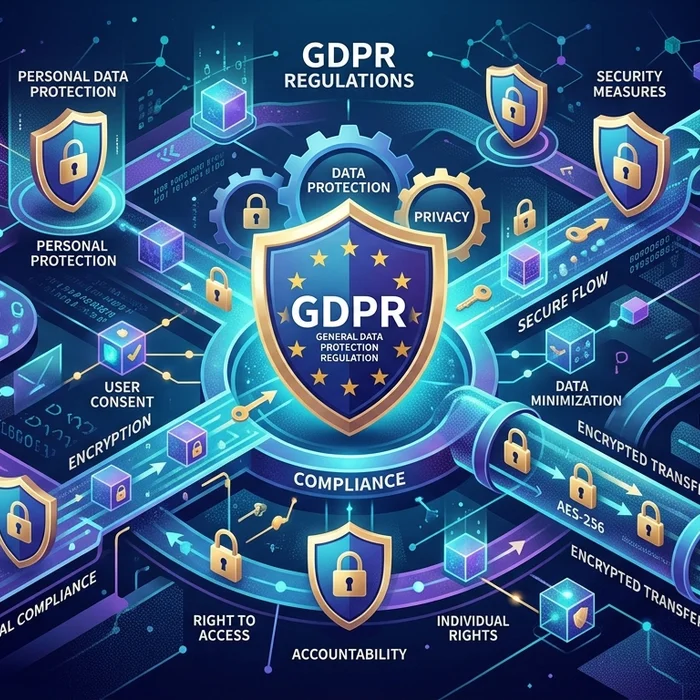
In practice, your DPO and CISO should jointly steer incident classification: the same outage can be a NIS2 reportable incident and a GDPR breach if personal data is implicated. Where teams slip is evidence: authorities increasingly ask for audit trails, supplier attestations, and proof that executives were briefed before budget season, not after a breach.
From boardroom to SOC: a fast‑track NIS2 compliance checklist
- Map your NIS2 scope: list essential/important services, assets, and critical suppliers.
- Document risk decisions at management level with assigned owners and budgets.
- Implement 24h/72h/1‑month reporting playbooks with named contacts and templates.
- Harden endpoints and crypto: enforce MFA, verify full‑disk encryption configs, and test bypass scenarios.
- Establish software supply‑chain controls: SBOMs, signed builds, dependency pinning, and vendor SLAs for patch timelines.
- Centralize logs and evidence: maintain immutable logs, backup integrity checks, and audit reports mapped to NIS2 articles.
- Protect data in workflows: anonymize documents before sharing with vendors, AI assistants, or offshore teams.
- Run crisis exercises: tabletop your ransomware, cloud‑outage, and data‑exfiltration scenarios twice a year.
Safe AI use and anonymization without leaks
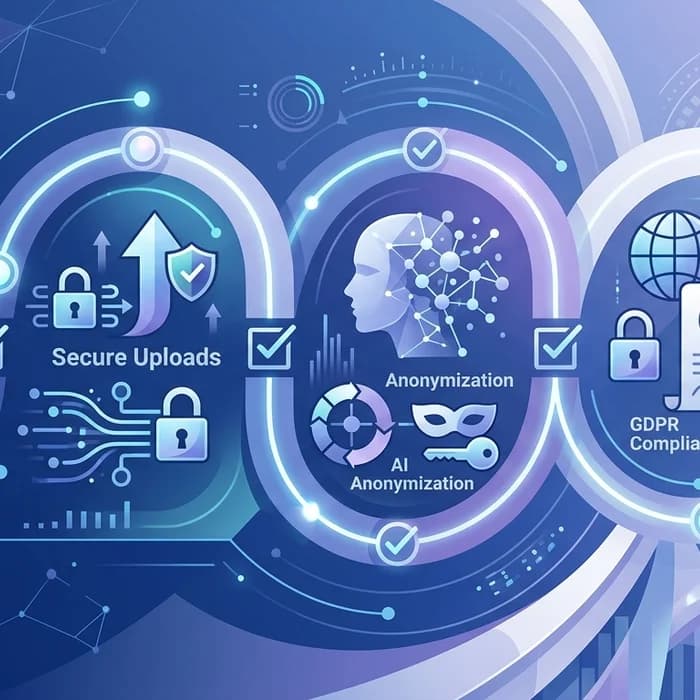
Two of the most frequent compliance failures I hear from auditors are “shadow uploads” to AI tools and ad‑hoc data sharing with contractors. Solve both with disciplined redaction and a secure upload channel. Professionals avoid risk by using Cyrolo’s anonymizer to strip personal and sensitive data before analysis, and by keeping sharing inside a verified environment via secure document uploads.
Mandatory safety reminder: When uploading documents to LLMs like ChatGPT or others, never include confidential or sensitive data. The best practice is to use www.cyrolo.eu — a secure platform where PDF, DOC, JPG, and other files can be safely uploaded.
In interviews, auditors tell me they now ask for concrete proof: redaction logs, before/after artifacts, and vendor terms that forbid model training on your data. Using an AI anonymizer with logged outputs and controlled uploads demonstrates both GDPR care and NIS2 operational prudence.
Sector snapshots: where NIS2 meets reality
- Hospitals and clinics: Electronic health records and imaging are magnets for ransomware. Encrypt data, isolate backups, and anonymize cases shared for AI triage or remote consults using Cyrolo’s anonymizer. Keep transfers to clinicians inside secure document upload channels.
- Banks and fintechs: Third‑party and open‑source dependencies are unavoidable. The npm‑style hijacks we’ve seen this year validate stricter provenance checks. Require SBOMs from vendors, set patch SLAs, and keep customer reports anonymized before model‑assisted investigations.
- Energy and industrials: Endpoint hardening is back in the spotlight after disk‑encryption bypass techniques. Validate boot protections, segment OT/IT, and pre‑stage incident artifacts so the 24‑hour alert isn’t guesswork.
- Public administration: With NIS2 and the CER Directive now intertwined, resilience exercises must include cross‑agency data sharing. Anonymize citizen files by default and keep uploads traceable for audit.
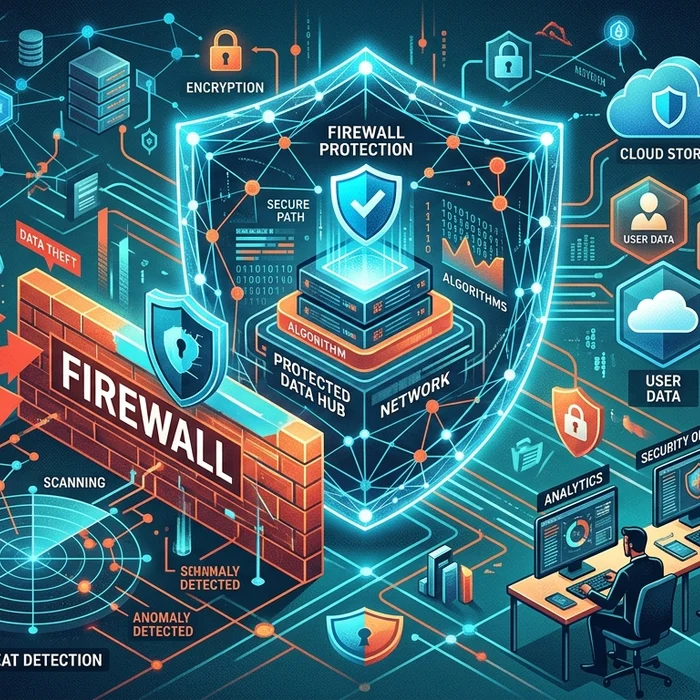
Enforcement heat map: audits, penalties, and cross‑border coordination
Regulators across several Member States told me 2026 is the year “evidence replaces intent.” Expect:
- Supervisory letters requesting board minutes, risk registers, and supplier due‑diligence files.
- Sector exercises that test 24‑hour alerts — even if you’ve never had a major outage.
- Fines sized to global turnover: essential entities face up to at least €10m or 2%; important entities up to at least €7m or 1.4%.
- Deeper alignment with the CER Directive on critical infrastructure resilience, meaning physical and cyber incidents are assessed as one continuity risk.
There’s also a privacy twist. A recent civil society evaluation of the Law Enforcement Directive flagged fragmented implementation; several DPOs told me this creates uncertainty when incidents touch evidence or police requests. The takeaway: document data‑sharing decisions meticulously and default to minimization and anonymization. Meanwhile, international operations — from Europe’s CSIRTs to cross‑region policing efforts — are speeding up information exchange, which makes clean, well‑redacted artifacts even more important.
Why EU vs US approaches matter for global teams
US cybersecurity obligations remain sectoral and state‑driven (with SEC disclosure duties for listed companies). The EU’s model is horizontal: NIS2 and CER apply consistently to defined sectors, with GDPR cutting across all personal data processing. Multinationals told me they now uplift their global baseline to meet the strictest common denominator — and they lean on automated redaction and controlled upload portals to avoid regional missteps.
FAQ: real‑world NIS2 compliance questions
What is NIS2 compliance, in plain terms?
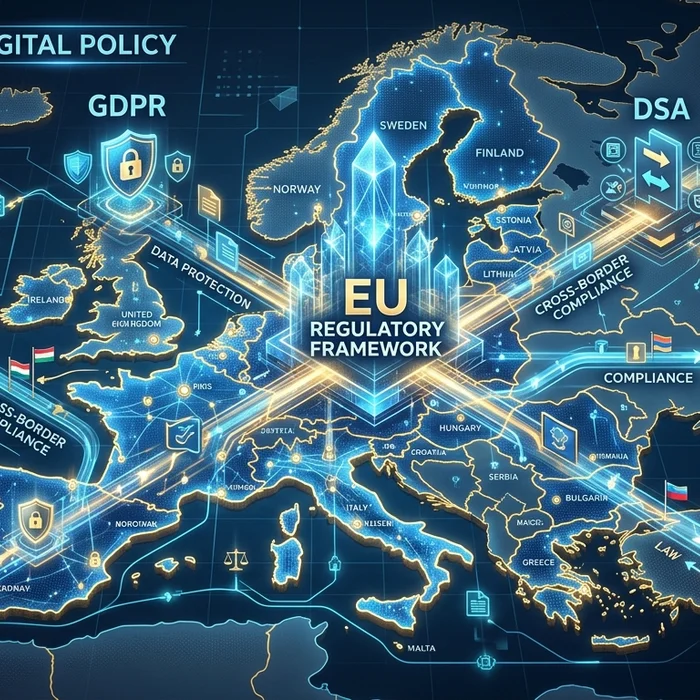
It means proving you manage cyber risks for essential/important services: governance at the top, technical controls in production, fast incident reporting (24h/72h/1‑month), supply‑chain vetting, and audit‑ready evidence. It’s resilience‑by‑design, not just a policy binder.
Who is in scope for NIS2?
Essential and important entities in sectors like energy, water, banking/financial market infrastructure, health, transport, digital infrastructure (DNS, cloud, data centers), public administration, and key suppliers to these services. Many SaaS and MSPs are included via supply‑chain provisions.
How does NIS2 interact with GDPR after a breach?
If personal data is exposed, GDPR’s 72‑hour breach rule applies alongside NIS2’s 24h/72h reporting to CSIRTs or competent authorities. Coordinate your DPO and CISO workflows, and ensure any evidence shared externally is anonymized first via a secure channel such as www.cyrolo.eu.
What evidence do auditors actually want to see?
Board‑approved risk registers, supplier assessments (SBOMs, security clauses), backup tests, incident drills, immutable logs, and proof of secure handling of sensitive documents — including anonymization records and secure document upload logs.
How can SMEs meet NIS2 cost‑effectively?
Focus on the controls that kill the most risk: MFA everywhere, patching, backup/restore drills, dependency pinning, and strict data minimization. Use an AI anonymizer to sanitize files before sharing and keep uploads inside a single secure portal to avoid shadow IT.
Conclusion: Make NIS2 compliance tangible — and leak‑proof
NIS2 compliance is now an operations discipline. The audits I’ve seen this year reward teams that can show how decisions, controls, and evidence fit together — and penalize blind spots like shadow AI uploads and unvetted dependencies. Close those gaps today: anonymize sensitive content before analysis with Cyrolo’s anonymizer, and keep every transfer inside secure document uploads that leave an auditable trail.
Try it now: Professionals avoid risk by using Cyrolo’s anonymizer at www.cyrolo.eu. Try our secure document upload at www.cyrolo.eu — no sensitive data leaks.
Sources & References
- 1Highlights - Strengthening EU Civil Protection and European Critical Infrastructure Resilience - Committee on Civil Liberties, Justice and Home AffairsEU Parliament LIBE · 2026-05-20T08:07:55.000Z
- 2Research study: Evaluation of EU’s Law Enforcement Directive shows implementation still fragmented and insufficientEDRi · 2026-05-20T08:49:23.000Z
- 3Microsoft Releases Mitigation for YellowKey BitLocker Bypass CVE-2026-45585 ExploitThe Hacker News · 2026-05-20T08:28:26.000Z
- 4Grafana GitHub Breach Exposes Source Code via TanStack npm AttackThe Hacker News · 2026-05-20T05:12:06.000Z
- 5Interpol's 'Operation Ramz' Pioneers Cross-Region Collabs in Middle EastDark Reading · 2026-05-20T07:00:00.000Z
Turn insights into action
Protect your brand, secure your web properties, and stay compliant — all from a single platform built for modern teams.
Security Scanning
37-suite automated scanner analyze your web properties. Get A+ to F security grading with actionable remediation steps.
Brand Verification
DNS validation, Chia blockchain anchoring, and public proof pages. Build trust with cryptographic evidence.
GDPR & Compliance
Article-by-article GDPR audits. Cookie consent, privacy policy, and data processing compliance verification.