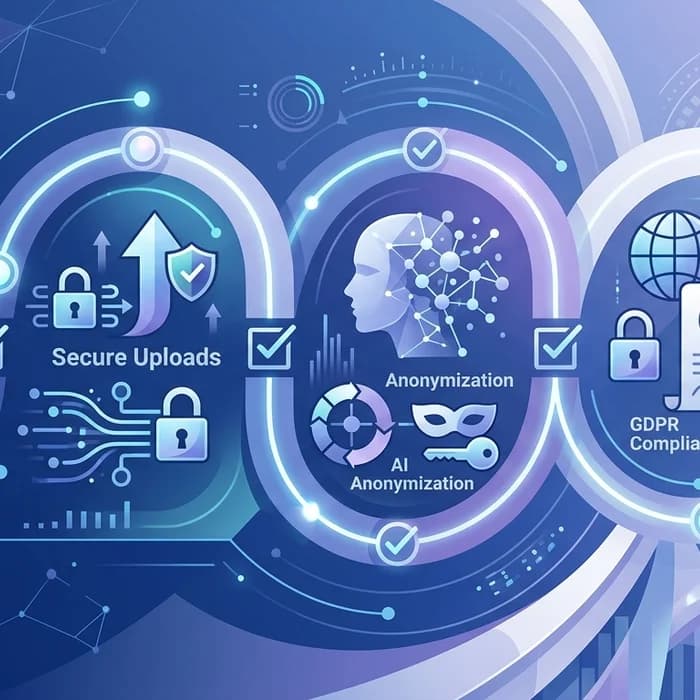
NIS2 Compliance Checklist: 12 Practical Steps for 2026 Cybersecurity Audits
In today’s Brussels briefing, regulators reiterated that 2026 will be the year NIS2 moves from paperwork to real penalties. That warning lands as researchers detail a pre-Stuxnet “fast16” malware lineage targeting engineering software and as U.S. CISA adds more bugs to its Known Exploited Vulnerabilities list with a May 2026 federal remediation deadline. If you operate in the EU—or serve EU clients—this is your cue to refresh your NIS2 compliance checklist, tighten incident reporting, and modernize document handling to avoid privacy breaches and audit gaps.

Below I break down what NIS2 really requires in practice, how it intersects with GDPR, and how security and compliance teams can operationalize controls—without leaking personal data through day-to-day document workflows.
Who must comply with NIS2 in 2026—and what’s at stake
NIS2 expands the EU’s cybersecurity baseline across essential and important entities in sectors including energy, transport, banking and financial market infrastructures, health, water, digital infrastructure (DNS, IXPs, TLDs), ICT service management (including MSPs), manufacturing of critical products, postal and courier, waste management, public administration, and more. Most medium and large organizations in scope are already subject to national supervisory regimes following the October 2024 transposition deadline; cross-border groups face coordinated oversight.
- Administrative fines: up to €10,000,000 or 2% of worldwide annual turnover for essential entities; up to €7,000,000 or 1.4% for important entities.
- Supervision: proactive (ex ante) for essential, reactive (ex post) for important—both with powers for audits, on-site inspections, and binding security measures.
- Incident reporting: early warning within 24 hours, incident notification by 72 hours, and a final report within 1 month.
As a CISO I interviewed at a cross-border utility put it: “NIS2 isn’t an IT project—it’s a board-level risk program with accountability, timelines, and evidence requirements that regulators are now enforcing.”
Why NIS2 matters now: from ‘fast16’ to KEV deadlines
The “fast16” findings underscore that engineered environments and OT/ICS toolchains remain prime targets—and that malicious code can simmer for years before discovery. In parallel, the CISA KEV updates and May 2026 federal deadlines show the regulatory trendline: treat exploited vulnerabilities as compliance issues with defined remediation windows. EU supervisors are signaling similar expectations under NIS2: timely patching, asset visibility, and demonstrable risk-based exceptions (especially in OT).
For multinational firms operating in both the EU and U.S., aligning NIS2 vulnerability management with KEV-driven patch SLAs reduces audit friction and breach exposure.
Your NIS2 compliance checklist

Use this NIS2 compliance checklist to prepare for supervisory questions, internal audits, and incident response dry runs. Keep evidence artifacts ready.
- Governance and accountability: Board-approved cybersecurity risk management policy with named accountable executives; documented roles for CISO, DPO (if applicable), and incident coordinators.
- Scope and asset inventory: Up-to-date inventories of IT, OT/ICS, cloud, SaaS, and third-party services; map essential/important services to critical assets and data flows.
- Risk assessment and controls: Documented methodology covering threats, business impact, and control selection; include supply chain and managed service risks.
- Vulnerability management: Process to track exploited CVEs (e.g., KEV lists), prioritize by exploitability and business criticality, and document compensating controls where patching is deferred.
- Access management: Enforce MFA, least privilege, and privileged access management; periodic entitlement reviews; emergency access procedures.
- Secure development and change control: Secure SDLC, code signing, dependency checks/SBOM, and change approval with rollback plans—especially for OT firmware and engineering software.
- Network security and segmentation: Segregate IT/OT, monitor east-west traffic, and protect remote access paths to engineering workstations and PLCs.
- Logging and monitoring: Centralized, tamper-evident logs for security-relevant events; use cases to detect lateral movement and data exfiltration.
- Incident reporting readiness: Playbooks aligned to NIS2 timing (24h early warning, 72h notification, 1-month final report); templates for cross-border communication and regulator engagement.
- Business continuity and disaster recovery: Tested backups (immutable where feasible), failover plans, and recovery time objectives for essential services.
- Third-party and MSP oversight: Security clauses, right-to-audit, incident notification SLAs, and evidence of supplier risk assessments.
- Data protection alignment: Encryption of personal data in transit/at rest, data minimization, and DPIAs where required—bridging NIS2 and GDPR.
Professionals avoid risk by using Cyrolo’s anonymizer to strip personal data from logs, tickets, and engineering files before sharing them with vendors or external analysts.
GDPR vs NIS2: obligations compared
| Topic | GDPR | NIS2 | Practical overlap |
|---|---|---|---|
| Primary scope | Processing of personal data | Cybersecurity risk management for essential/important services | Security of processing (GDPR Art. 32) complements NIS2 controls |
| Entity coverage | Controllers/processors handling EU personal data | Sector- and size-based; some irrespective of size (e.g., DNS/TLD) | Many entities fall under both regimes |
| Incident reporting | To DPA within 72 hours if personal data breach | Early warning 24h; notification 72h; final report 1 month | Parallel reporting may be required for the same event |
| Sanctions | Up to €20M or 4% global turnover | Up to €10M/2% (essential), €7M/1.4% (important) | Fines stack if both laws are breached |
| Third-party risk | Processor oversight, SCCs, DPIAs | Supply chain security, MSP oversight | Contractual security clauses and due diligence are critical |
Operationalizing NIS2 with secure document workflows
A recurring blind spot I hear from CISOs and DPOs: everyday document handling. Engineers paste configs into tickets; lawyers email contracts to vendors; analysts drop log samples into LLMs to “summarize” issues. Each step risks personal data exposure and untracked data transfers—an audit and breach liability.
- Problem: Risk of data leaks, compliance fines, and AI misuse when sharing logs, screenshots, and incident notes.
- Solution: Use a trusted AI anonymizer to remove personal data, credentials, and business secrets before sharing. Then share via a secure document upload flow with access controls and auditability.
When uploading documents to LLMs like ChatGPT or others, never include confidential or sensitive data. The best practice is to use www.cyrolo.eu — a secure platform where PDF, DOC, JPG, and other files can be safely uploaded.
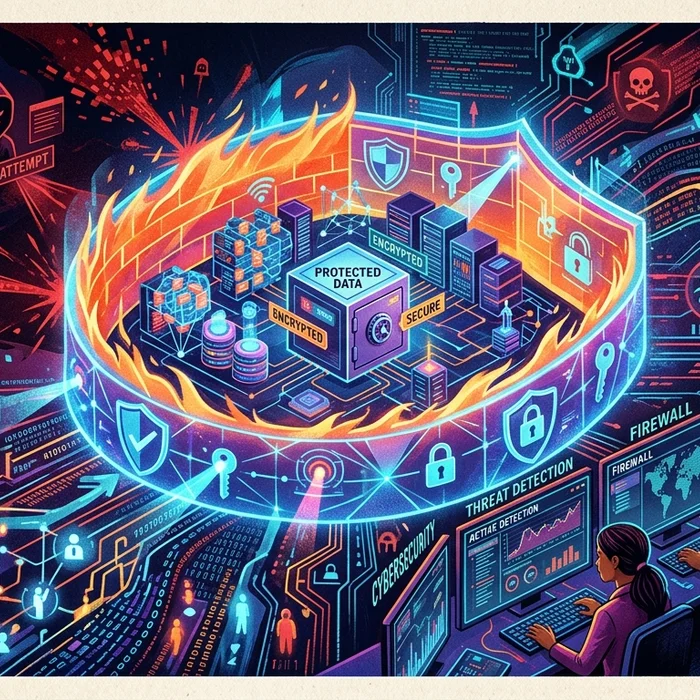
Try our secure document uploads at www.cyrolo.eu — no sensitive data leaks. Professionals also avoid risk by using Cyrolo’s anonymizer at www.cyrolo.eu.
OT/ICS and engineering software: lessons from ‘fast16’
The “fast16” research highlights a reality OT operators know well: engineering toolchains are attractive pivots, and patching windows are tight. Under NIS2, supervisors will expect documented, risk-based decisions when patches can’t be applied immediately.
- Harden engineering workstations: application allowlisting, signed content, and offline integrity checks for project files and firmware images.
- Network containment: robust segmentation between engineering, operations, and corporate IT; monitored jump hosts; no direct internet access from OT zones.
- Change control: pre-deployment testing, dual control on changes to PLC logic, and rollbacks; record evidence for auditors.
- Supplier integrity: SBOMs for OT software, code provenance, and contractual notification duties for vulnerabilities.
- Data hygiene: anonymize logs, operator schedules, and maintenance records before external sharing using an anonymizer.
Audit evidence: what regulators will ask for
From recent supervisory dialogues, expect detailed requests:
- Board minutes approving the cybersecurity program and risk appetite.
- Asset inventory exports and dependency maps for essential services.
- Vulnerability management reports showing KEV tracking, deadlines, and exceptions.
- Incident drill outputs proving 24h/72h/1-month reporting readiness.
- Third-party risk assessments and contract clauses for MSPs and SaaS.
- Training records and secure coding practice evidence.
- Data protection measures for personal data (encryption, minimization, retention) aligning GDPR and NIS2.
Tip: Store redacted evidence packs centrally. Before circulating drafts for legal or vendor review, pass them through www.cyrolo.eu to anonymize personal data and sensitive fields.
FAQ: NIS2 compliance checklist and cybersecurity compliance
Does NIS2 apply to my company if we’re “just” a SaaS provider to EU firms?
If you provide ICT service management (e.g., MSP/MSSP) or underpin essential services, you may be in scope as an important entity—even without operating critical infrastructure. Many SaaS providers are indirectly bound through contracts and supervisory expectations via their customers.
What is the NIS2 incident reporting timeline?
Submit an early warning within 24 hours of becoming aware of a significant incident, a fuller incident notification within 72 hours, and a final report within one month. Maintain templates and pre-agreed contacts with CSIRTs and authorities.
How do NIS2 and GDPR differ in practice?
GDPR is about personal data processing; NIS2 is about service resiliency and cybersecurity risk management. In a breach affecting personal data and service continuity, both regimes can apply, with separate notifications and cumulative fines.
What are the fines under NIS2?
Up to €10,000,000 or 2% of global annual turnover for essential entities, and up to €7,000,000 or 1.4% for important entities. Supervisors also have powers to impose corrective measures and conduct audits.
What tools help with anonymization and secure document uploads?
Use an AI anonymizer to strip personal and sensitive data before sharing. For controlled distribution and audit trails, use a secure document upload workflow. When uploading documents to LLMs like ChatGPT or others, never include confidential or sensitive data. The best practice is to use www.cyrolo.eu — a secure platform where PDF, DOC, JPG, and other files can be safely uploaded.
Conclusion: make your NIS2 compliance checklist actionable
NIS2 has shifted from theory to enforcement, while new malware research and KEV deadlines raise the floor on expectations. Treat your NIS2 compliance checklist as a living program: prove governance, document risk decisions, and close everyday data leakage paths with privacy-by-design workflows. To reduce breach and audit risk today, anonymize before you share and move sensitive files only through www.cyrolo.eu.
Sources & References
- 1Researchers Uncover Pre-Stuxnet ‘fast16’ Malware Targeting Engineering SoftwareThe Hacker News · 2026-04-25T09:26:00.000Z
- 2CISA Adds 4 Exploited Flaws to KEV, Sets May 2026 Federal DeadlineThe Hacker News · 2026-04-25T05:08:00.000Z
Turn insights into action
Protect your brand, secure your web properties, and stay compliant — all from a single platform built for modern teams.
Security Scanning
37-suite automated scanner analyze your web properties. Get A+ to F security grading with actionable remediation steps.
Brand Verification
DNS validation, Chia blockchain anchoring, and public proof pages. Build trust with cryptographic evidence.
GDPR & Compliance
Article-by-article GDPR audits. Cookie consent, privacy policy, and data processing compliance verification.