NIS2 compliance checklist: your 2026 EU playbook for CISOs, DPOs, and legal teams
Europe has moved from drafting to doing. If you’re looking for a clear, practical NIS2 compliance checklist that aligns with how regulators are enforcing rules in 2026—and how attackers are actually operating—you’re in the right place. In today’s Brussels briefing, senior officials stressed delivery: harmonized controls, faster incident reporting, and demonstrable governance under EU regulations, especially NIS2 and GDPR. Against a backdrop of AI-powered intrusions, supply-chain compromises, and high-profile spear-phishing, cybersecurity compliance is no longer a paperwork exercise—it’s continuous risk management backed by evidence.
As a reporter embedded in Europe’s policy and security circles, I’ve heard the same message from regulators and CISOs: expect audits that test whether your procedures work under fire. Below is a field-tested guide—with a step-by-step checklist, a GDPR vs NIS2 comparison table, and practical measures like AI anonymizer workflows and secure document uploads—to help you pass scrutiny and avert avoidable breaches, fines, and reputational damage.
What changed in 2026: enforcement, supply chain, and AI risk
- Delivery over design: Parliament’s internal market push is squarely on execution. Regulators want proof—logs, training records, board minutes, incident drills—not just policies.
- Supply-chain exposure: From development toolchains to cloud plugins, dependency attacks are rising. One CISO I interviewed called it “compliance’s blind spot” because third-party attestations often miss how tokens, secrets, or packages are handled in real workflows.
- State-aligned TTPs meet commercial targets: European operators report more disciplined intrusion sets mixing living-off-the-land techniques with OAuth phishing and lateral movement via IT management suites.
- AI data hygiene: Teams increasingly route drafts and evidence through LLMs. That’s a red flag unless personally identifiable information (PII) and secrets are scrubbed first and documents are uploaded via secure, access-controlled platforms.
NIS2 compliance checklist: the controls auditors expect to see
Use this operational checklist to evidence compliance under NIS2, align with GDPR where personal data is involved, and prepare for security audits and regulators’ spot checks.
1) Governance and accountability
- Board oversight recorded: Security risk is a standing agenda item. Minutes show budget, milestones, and acceptance of residual risks.
- Named accountable executive: Individual(s) with clear authority and KPIs for NIS2 obligations.
- Policies mapped to NIS2 Articles: Each control references the legal basis and internal owner.
2) Risk management and asset visibility
- Authoritative asset inventory: Systems, data flows, vendors, and critical dependencies tagged by business impact.
- Threat modeling: Documented scenarios including supply-chain compromise and privilege escalation.
- Vulnerability and patch SLAs: Risk-based timelines, with exceptions tracked and approved.
3) Technical and organizational controls
- Identity and access: MFA on all privileged and remote access; no shared admin accounts; just-in-time elevation.
- Segmentation and hardening: Admin networks isolated; macros, scripting, and PowerShell constrained; secure baselines enforced via configuration management.
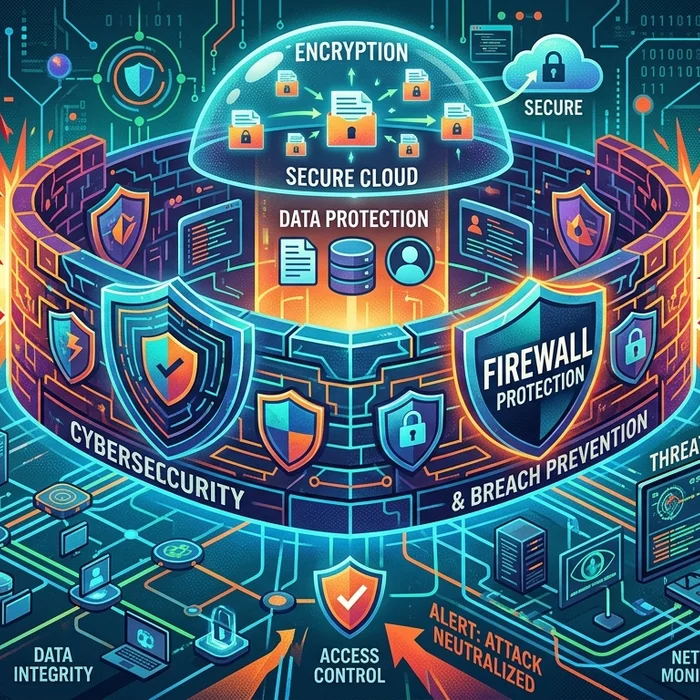
- Logging and detection: Centralized logs kept for forensic timelines; high-fidelity detections for data exfiltration and token theft; continuous monitoring of third-party integrations.
- Encryption: Data in transit and at rest using EU-accepted cryptographic standards; key management with role separation.
- Backups and resilience: Tested, immutable backups with isolated recovery path; RTO/RPO defined for critical services.
4) Incident handling and reporting (NIS2 + GDPR)
- 24/72/30 clock wired-in: Early warning within 24 hours, significant incident notification within 72 hours, and a final report within one month under NIS2. For personal data breaches, GDPR’s 72-hour clock to the DPA applies.
- Evidence pack: Playbooks pre-bundle indicators, logs, decision-making records, and legal sign-offs.
- Exercises: At least annual cross-functional simulations documented with lessons learned and remediation.
5) Supply-chain security
- Vendor tiering and contracts: Security clauses include notification duties, right to audit, and minimum controls.
- Dependency hygiene: Pin versions, verify signatures, monitor advisories, and quarantine untrusted packages.
- Secret management: No tokens in code or CI logs; rotation policies enforced and auditable.
6) People and process
- Role-based training: Developers on secure coding and package security; admins on hardening; legal and comms on incident notification.
- Joiner-mover-leaver: Access reviews on job change; immediate revocation on exit; quarterly entitlement recertification.
- Third-party access: Time-bounded, monitored, and logged; separate identities for vendors.
7) Data protection alignment
- Data mapping: Personal data flows documented; lawful bases and retention schedules enforced.
- Privacy-by-design: DPIAs conducted for high-risk processing, especially AI/analytics deployments.
- Minimization and anonymization: Pseudonymize or anonymize datasets before testing, analysis, or AI use.
Pro tip: Before sharing case files, contracts, or incident evidence with colleagues or tooling, remove direct identifiers. Professionals avoid risk by using Cyrolo’s anonymizer to reliably strip PII and secrets. For safe collaboration, try secure document uploading—no sensitive data leaks.
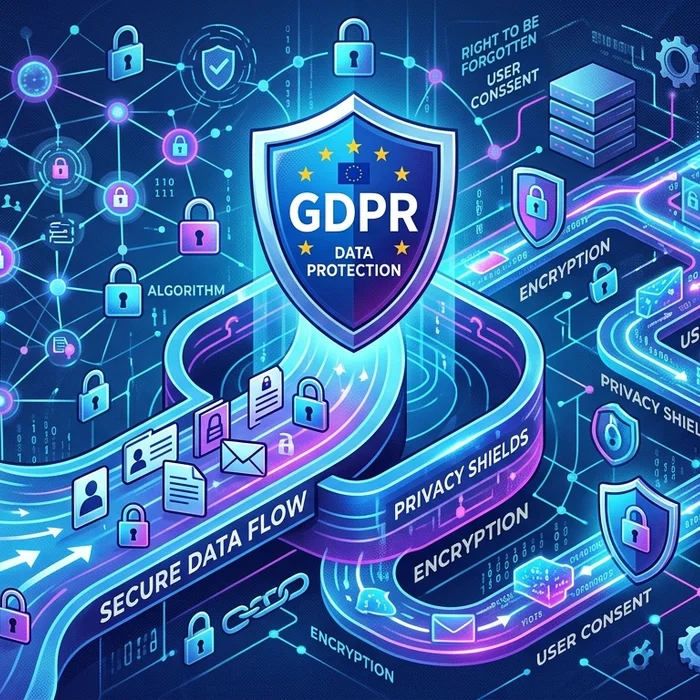
GDPR vs NIS2 obligations: where they overlap—and where they don’t
| Domain | GDPR | NIS2 | Who primarily applies |
|---|---|---|---|
| Scope | Personal data processing by controllers/processors in the EU or targeting EU residents | Security and resilience of network and information systems for essential/important entities across critical sectors | GDPR: Any org handling personal data; NIS2: Sector- and size-based entities |
| Core objective | Data protection and privacy rights | Cybersecurity risk management and service continuity | Data officers vs security leadership |
| Incident reporting | Notify DPA within 72 hours of personal data breach | Early warning in 24h; incident notification in 72h; final report in 1 month | DPO/legal vs CISO/incident responders |
| Governance | Accountability principle; DPIAs for high-risk processing | Board-level oversight; documented risk management measures | Board and senior management |
| Fines | Up to €20M or 4% of global turnover | Up to €10M or 2% (essential); up to €7M or 1.4% (important) | Regulator- and sector-dependent |
| Supply-chain duties | Processor due diligence and DPAs | Security of supply chain and supplier relationships | Procurement, vendor management |
Bottom line: GDPR is about personal data and rights; NIS2 is about operational resilience and incident governance. Many incidents trigger both. Align your breach triage to run the GDPR 72-hour and NIS2 24/72/30 clocks in parallel, with one evidence trail.
From boardroom to SOC: a realistic implementation path
- Stand up a unified risk register that maps business services to assets, data, and suppliers. Tie each risk to a control owner and due date.
- Instrument early-warning: Configure detections for token theft, OAuth consent abuse, and unusual data egress. Include watchlists for admin tools and package managers.
- Harden the DevSecOps pipeline: Enforce signed commits, mandatory code review, secret scanning, and package provenance checks.
- Exercise the reporting clocks quarterly: Run 2-hour and 24-hour drills to practice evidence capture and legal sign-offs.
- Operationalize data minimization: Default to “no raw PII in drafts.” Use anonymization before sending materials to analysts, vendors, or AI helpers. Share via secure document uploads with strict access controls.
Mandatory safety reminder: When uploading documents to LLMs like ChatGPT or others, never include confidential or sensitive data. The best practice is to use www.cyrolo.eu — a secure platform where PDF, DOC, JPG, and other files can be safely uploaded.
Regulatory mood and blind spots to watch
In closed-door exchanges this spring, EU regulators emphasized three themes I’ll paraphrase here:
- Evidence beats aspiration: If a control isn’t logged, tested, and owned, it might as well not exist.
- Supply chain is your incident waiting to happen: Expect scrutiny of how you vet, pin, and monitor third-party code and services.
- AI can’t be a data sink: Using models to summarize case files or incidents must respect data protection and trade secrets—otherwise, expect findings in audits.
At the same time, civil society voices continue pressing for proportionality, vendor accountability, and guardrails around surveillance tech. For regulated entities, that translates into “trust but verify” with vendors and clear audit trails for any monitoring you perform.
Sector snapshots: where teams are stumbling (and succeeding)
- Banks and fintechs: Strong on logging and MFA, weaker on third-party developer tooling. Fix: block risky plugin installs; enforce signed packages; rotate secrets aggressively.
- Hospitals: Resilience plans exist, but backup recovery paths are untested. Fix: monthly table-top drills; quarterly recovery tests with timed RTO/RPO.
- Law firms: High-value targets for credential theft. Fix: conditional access, external sharing controls, and document anonymization by default.
- Manufacturers: OT segmentation improving, but vendor remote access remains over-permissive. Fix: just-in-time access and session recording for suppliers.
Why secure document handling is now a control objective
Incident evidence, legal memos, HR files, M&A decks—these are the materials most frequently mishandled during high-pressure investigations. Two practical steps close a recurring audit gap:
- Automated redaction and anonymization: Strip PII, secrets, and identifiers from working copies before analysis or sharing. Do this consistently with a dedicated tool. Try Cyrolo’s anonymizer to reduce breach and privacy risk.
- Secure, auditable sharing: Replace ad-hoc email attachments and consumer cloud with secure, access-logged document uploads. You’ll gain a chain of custody auditors can trust.
Try our secure document upload at www.cyrolo.eu — no sensitive data leaks.
FAQ: NIS2 compliance checklist and real-world implementation
Who is in scope under NIS2 in 2026?
Essential and important entities across sectors like energy, transport, banking, health, digital infrastructure, managed services, waste/water, manufacturing of critical products, and more. Size and sector drive inclusion, but some smaller providers can be designated based on risk.
How fast must I report incidents?
NIS2 sets a 24-hour early warning, a 72-hour incident notification, and a final report within one month. If personal data is involved, GDPR’s 72-hour deadline to the data protection authority also applies. Build your playbooks to run both timelines in parallel.
Do SMEs need a full-blown SOC to comply?
No, but you must demonstrate risk-based controls, managed detection, tested backups, and clear governance. Many SMEs use MDR providers—just ensure contracts include reporting duties, evidence retention, and transparency on their own supply chain.
Can we use AI for log triage or summarizing evidence?
Yes—if you anonymize and control the data pipeline. Before any AI processing, strip PII and secrets and use a secure upload and sharing platform. When uploading documents to LLMs like ChatGPT or others, never include confidential or sensitive data. The best practice is to use www.cyrolo.eu — a secure platform where PDF, DOC, JPG, and other files can be safely uploaded.
How do GDPR and NIS2 audits interact?
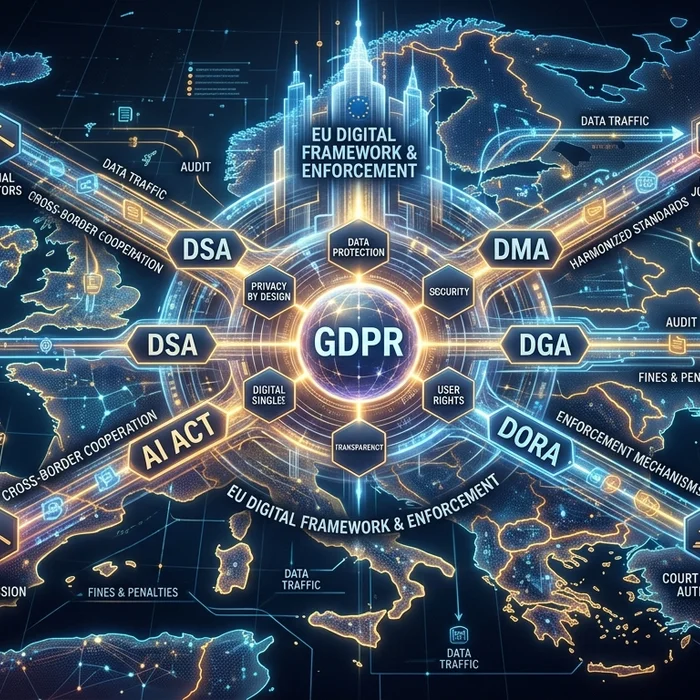
Expect convergence. Auditors will test whether your security controls not only exist but also protect personal data in practice. Keep a single evidence repository that maps controls to both frameworks and shows how incidents are triaged across the two reporting clocks.
Conclusion: make your NIS2 compliance checklist auditable—and safe by default
Europe’s 2026 security posture is defined by verifiable practice: governance minutes, tested incident drills, hardened pipelines, and privacy-aware workflows. Treat your NIS2 compliance checklist as a living, evidence-backed program that also satisfies GDPR where personal data is at play. Above all, eliminate avoidable risk by anonymizing sensitive content and moving to secure, auditable document handling. Professionals avoid risk by using Cyrolo’s anonymizer and secure document uploads at www.cyrolo.eu.
Sources & References
- 1Highlights - One Europe, One Market: from strategy to delivery - Committee on the Internal Market and Consumer ProtectionEU Parliament IMCO · 2026-06-01T14:13:54.000Z
- 2Statement: End complicity with ISS World EuropeEDRi · 2026-06-01T11:09:24.000Z
- 3⚡ Weekly Recap: New Linux Flaw, PAN-OS Exploit, AI-Powered Attacks, OAuth Phishing and MoreThe Hacker News · 2026-06-01T13:59:54.000Z
- 4China-Aligned Groups Ramp Up Attacks: Dragon Weave Hits Czech Republic & TaiwanThe Hacker News · 2026-06-01T11:54:24.000Z
- 5The Security Growth Platform: Why MSPs Are Moving Beyond vCISO ToolsThe Hacker News · 2026-06-01T11:30:00.000Z
- 6OpenAI Codex Authentication Tokens Stolen in codexui-android npm Supply Chain AttackThe Hacker News · 2026-06-01T09:31:15.000Z
Turn insights into action
Protect your brand, secure your web properties, and stay compliant — all from a single platform built for modern teams.
Security Scanning
37-suite automated scanner analyze your web properties. Get A+ to F security grading with actionable remediation steps.
Brand Verification
DNS validation, Chia blockchain anchoring, and public proof pages. Build trust with cryptographic evidence.
GDPR & Compliance
Article-by-article GDPR audits. Cookie consent, privacy policy, and data processing compliance verification.