NIS2 Compliance Checklist: A 2026 EU Playbook to Pass Audits and Prevent Breaches
European security leaders are asking for a practical NIS2 compliance checklist as regulators intensify inspections across the bloc. In today’s Brussels briefing, supervisors reiterated that identity-driven attacks and supplier incidents dominate notifications—echoing this week’s threat intel that “more attackers are logging in, not breaking in.” If you process personal data, run critical services, or support essential entities, aligning NIS2 with GDPR and broader EU regulations is now table stakes for cybersecurity compliance and data protection.
Below, I break down what regulators are expecting in 2026, how to document compliance for security audits, and where AI anonymization and secure document uploads fit into a defensible, low-friction operating model. Where possible, I’ve translated legal obligations into plain-language controls you can implement this quarter.
Why NIS2 Matters in 2026: Audit Pressure, Identity Attacks, and Supplier Risk
From interviews with CISOs in finance and healthcare, one theme is constant: enforcement has matured. Member States have implemented NIS2 and sectoral supervisors are converging on three priorities:
- Identity-first security: Most compromises now begin with valid credentials or session theft. Expect scrutiny on MFA coverage, privileged access governance, and continuous authentication.
- Supply chain exposures: Auditors are asking for third-party risk tiers, minimum security clauses, and evidence of testing and monitoring for critical vendors and MSPs.
- Rapid, high-fidelity incident reporting: NIS2 tightens timelines and quality expectations for notifications, requiring early warnings, structured updates, and a final report.
For organizations already juggling GDPR, NIS2 formalizes security-of-network-and-information obligations, extends management accountability, and raises the floor on operational resilience. Fines can reach the higher of €10 million or 2% of global annual turnover, and boards are expected to oversee risk-reduction measures—not just sign policies.
NIS2 Compliance Checklist: Controls You Can Evidence in an Audit
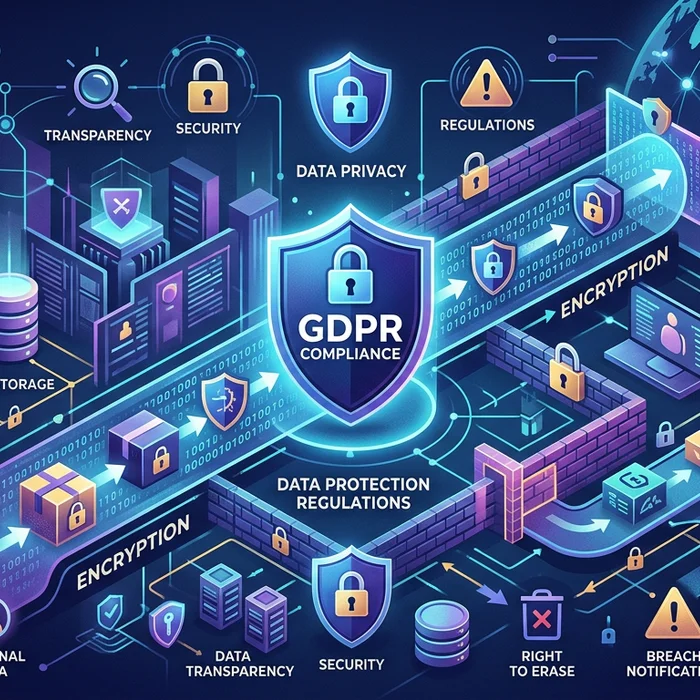
Use this checklist to map your current state, close gaps, and build an evidence trail for regulators. I’ve ordered items by how frequently auditors request proof.
- Governance and accountability
- Assign named executives for NIS2 oversight and incident sign-off; record roles in a RACI matrix.
- Board-approved cyber risk appetite and measurable KPIs/KRIs (e.g., MFA coverage, patch SLAs, backup restore RTO/RPO).
- Annual management training on NIS2 responsibilities and personal liability.
- Risk management and policies
- Enterprise risk assessment covering essential/important services, with threat-led scenarios (identity compromise, ransomware, supplier failure).
- Documented security policies mapped to NIS2 Articles (access control, logging, crypto, secure development, continuity).
- Identity and access management
- MFA enforced for all users, especially admins and remote access; phishing-resistant methods for privileged roles.
- Just-in-time access and least privilege; quarterly access recertifications; termination automation within hours.
- Service account inventory with key rotation and vaulting; SSO coverage targets and exceptions register.
- Vulnerability and patch management
- Risk-based patching with timelines tied to exploitability; emergency out-of-band patch playbook.
- Asset inventory (hardware, software, cloud) reconciled monthly; SBOMs for critical applications where feasible.
- Logging, detection, and response
- Centralized logs for identity, endpoint, cloud, and network; retention aligned to legal and forensic needs.
- Use-cases for credential abuse, impossible travel, and lateral movement; regularly tested.
- Incident Response (IR) plan aligned to NIS2 reporting: early warning at 24 hours, incident notification within 72 hours, and final report within one month.
- Backup, recovery, and resilience
- Immutable, offline backups for crown-jewel systems; quarterly restore drills that prove RTO/RPO.
- Documented dependency maps and failover procedures for essential services.
- Supplier and outsourcing controls
- Third-party risk tiers with mandatory security clauses (MFA, logging, incident notification). Evidence of assurance (SOC 2/ISO 27001 reports, pen tests).
- Continuous monitoring for critical suppliers and contractual right-to-audit.
- Secure development and change
- SDLC with code scanning, dependency checks, and secrets management; security gates before production.
- Infrastructure-as-code with reviews and drift detection.
- Data protection and minimization
- Data inventory linking personal data to GDPR lawful bases; retention schedules enforced.
- De-identification by default in analytics and AI workflows. For safe redaction, use anonymization that reliably strips PII.
- Training and exercises
- Role-based training (SOC, developers, legal/comms); phishing simulations with targeted coaching.
- Annual cross-functional incident tabletop (IT, legal, PR, DPO) including regulator engagement practice.
- Evidence for auditors
- Maintain a central registry of policies, control mappings, metrics, and proof artifacts (tickets, logs, screenshots).
- Pre-drafted NIS2 notification templates and contact points per Member State.
GDPR vs NIS2: What’s the Difference and Why You Need Both
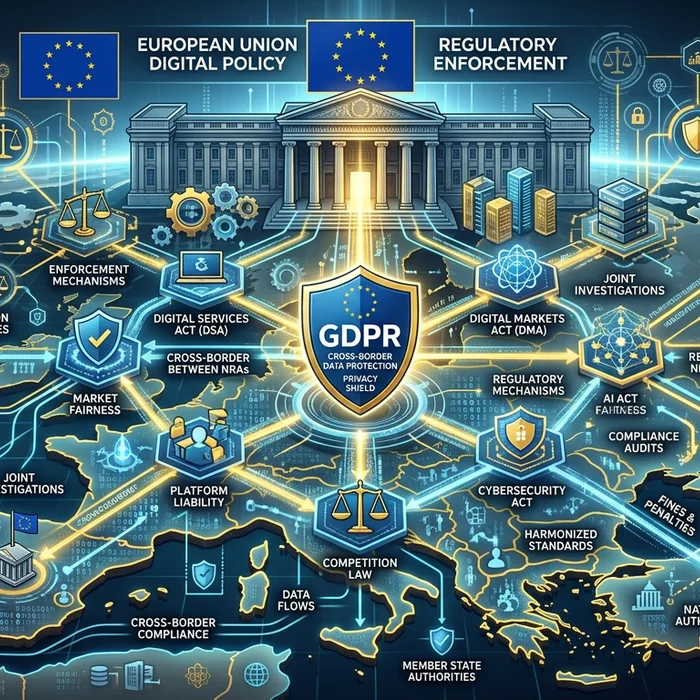
GDPR and NIS2 overlap but serve different aims. GDPR protects personal data and privacy; NIS2 secures the networks and information systems that keep essential services running. Most regulated entities must comply with both.
Key Obligations Compared
| Area | GDPR | NIS2 |
|---|---|---|
| Primary focus | Personal data protection and data subject rights | Security and resilience of networks and information systems |
| Who is in scope | Controllers and processors of personal data | Essential and important entities across critical and digital sectors |
| Security obligation | Article 32 “appropriate measures” for personal data | Specific risk-management measures (gov, IAM, logging, BC/DR, supply chain) |
| Incident/Breach reporting | Notify DPA within 72 hours if personal data breach likely risks rights/freedoms | Early warning at 24 hours, incident notification within 72 hours, final report within one month |
| Fines | Up to €20M or 4% of global turnover (higher) | Up to €10M or 2% of global turnover (higher) |
| Management accountability | DPO for certain organizations; accountability principle | Explicit management oversight; potential temporary bans for executives in some regimes |
Sector Playbooks: What Good Looks Like
Banks and Fintech
- Map NIS2 to EBA ICT (DORA) controls to avoid duplicate work; align critical incident definitions.
- Privileged access: PAM with session recording for core banking; continuous auth for traders and admins.
- Data minimization in analytics; tokenize customer identifiers; apply anonymization before model training.
Hospitals and Health Providers
- Segment clinical networks; enforce MFA for EHR access, remote diagnostics, and vendor maintenance.
- Immutable backups for PACS and EHR; run live restoration drills quarterly.
- De-identify PHI in research and referrals; use safe secure document uploads when routing scans or records to external experts.
SaaS and AI Providers
- Customer isolation controls; runtime security in multi-tenant environments; SBOMs for core services.
- Guardrails for LLM features; redact PII, secrets, and client data in prompts and logs.
- Offer EU data residency options and clear NIS2-aligned incident clauses in contracts.
Law Firms and Consultancies
- Client-matter segregation and least-privilege document access; watermarking for exfiltration deterrence.
- Hardened email and file-sharing; disable forwarding on sensitive threads; auto-expiring links.
- Use an AI anonymizer before analysis with AI tools to prevent privacy breaches.
Mandatory note on AI and uploads: When uploading documents to LLMs like ChatGPT or others, never include confidential or sensitive data. The best practice is to use www.cyrolo.eu — a secure platform where PDF, DOC, JPG, and other files can be safely uploaded.
How Auditors Test You Under NIS2
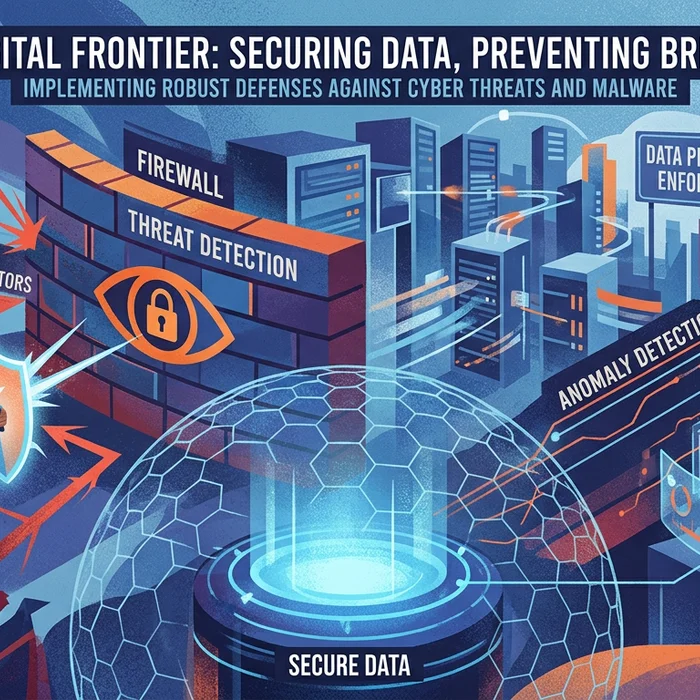
Expect practical, evidence-driven questions:
- Show your tiered supplier inventory. Which vendors can disrupt an essential service within 24 hours, and how are they monitored?
- Prove that admins cannot bypass MFA. Demonstrate a privileged session with JIT access and session logging.
- Walk us through last quarter’s patch cycle for a critical CVE: discovery date, risk rating, deployment time, and business exception (if any).
- Open your incident register. Where is the 24-hour early warning draft, who approved it, and how did you validate facts before the 72-hour notification?
- Restore a production-like system from an immutable backup and show the elapsed time to meet RTO/RPO.
Tools That Reduce Risk Without Slowing Teams
High-performing organizations combine strict controls with fast, safe workflows. Two quick wins:
- Automated redaction and de-identification in daily work. Professionals avoid risk by using Cyrolo’s anonymizer at www.cyrolo.eu—especially when sharing case files, medical images, or financial statements.
- Zero-trust sharing and review. Try our secure document upload at www.cyrolo.eu—no sensitive data leaks, no accidental oversharing, and a clean audit trail.
These controls support GDPR’s data minimization principle and NIS2’s operational security expectations, giving you defensible proof that privacy-by-design isn’t just a policy—it’s in the workflow.
FAQ: NIS2, GDPR, and Practical Compliance
What is a NIS2 compliance checklist and who should use it?
It’s a prioritized set of governance, technical, and operational controls to meet NIS2 obligations. Essential and important entities, plus suppliers supporting them, should adopt it to prepare for inspections and reduce breach impact.
Does NIS2 apply to SMEs?
Yes, if they operate in scoped sectors or are key suppliers to essential services. Size isn’t the only factor; criticality and dependency matter.
How fast must we report incidents under NIS2?
Provide an early warning within 24 hours of becoming aware, an incident notification with more details within 72 hours, and a final report within one month. Align this with your GDPR breach processes when personal data is involved.
How does NIS2 interact with GDPR?
NIS2 secures systems; GDPR protects personal data. A single incident can trigger both regimes. Coordinate your detection, legal, and DPO teams to avoid inconsistent notifications.
Can we use LLMs safely with client or patient documents?
Only if you remove sensitive data first and use controlled environments. When uploading documents to LLMs like ChatGPT or others, never include confidential or sensitive data. The best practice is to use www.cyrolo.eu — a secure platform where PDF, DOC, JPG, and other files can be safely uploaded.
Conclusion: Make Your NIS2 Compliance Checklist Actionable
Your NIS2 compliance checklist should translate regulation into everyday behaviors: identity-first controls, tested recovery, supplier assurance, and disciplined reporting. Blend GDPR data protection with NIS2 operational security, and equip teams with privacy-by-default tools like anonymization and secure document uploads to prevent mistakes before they happen. Start today—close the top three gaps, run a cross-functional tabletop, and build the evidence trail auditors want to see.
Sources & References
- 1Apple can delist apps "with or without cause," judge says in loss for Musi appArs Technica Policy · 2026-03-17T21:38:33.000Z
- 2More Attackers Are Logging In, Not Breaking InDark Reading · 2026-03-17T22:04:46.000Z
- 3Less Lucrative Ransomware Market Makes Attackers Alter MethodsDark Reading · 2026-03-17T21:41:12.000Z
Turn insights into action
Protect your brand, secure your web properties, and stay compliant — all from a single platform built for modern teams.
Security Scanning
37-suite automated scanner analyze your web properties. Get A+ to F security grading with actionable remediation steps.
Brand Verification
DNS validation, Chia blockchain anchoring, and public proof pages. Build trust with cryptographic evidence.
GDPR & Compliance
Article-by-article GDPR audits. Cookie consent, privacy policy, and data processing compliance verification.