NIS2 cybersecurity compliance: What Kimsuky’s new tactics mean for EU CISOs right now
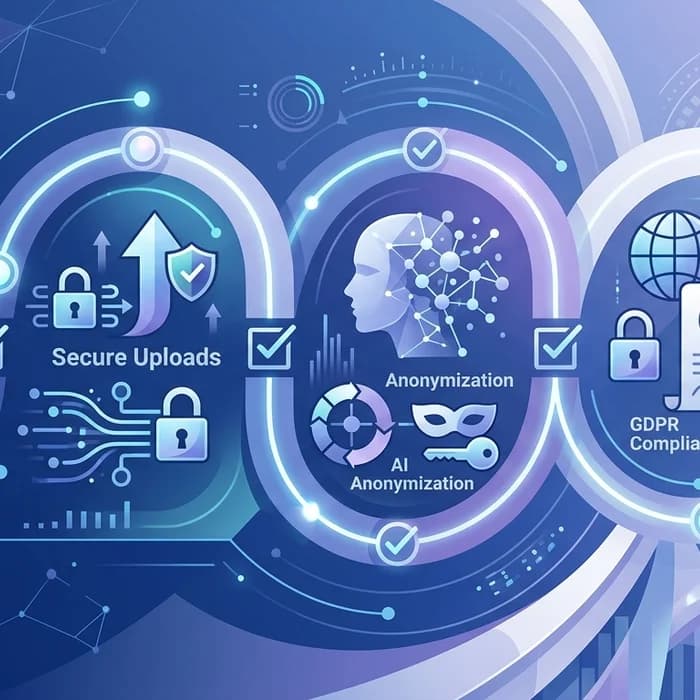
In today’s Brussels briefing, regulators quietly admitted that geopolitical threats are testing the limits of NIS2 cybersecurity compliance. Hours earlier, incident responders flagged fresh North Korean-linked Kimsuky tradecraft—HTTPSpy beacons, “HelloDoor” backdoors, and abuse of VS Code Tunnels—that pivots through developer machines and siphons data from research, finance, and public-sector targets. If you’re mapping EU regulations across GDPR, NIS2, and internal security audits, this is your moment to harden controls, especially around AI anonymizer workflows and secure document uploads. Professionals avoid risk by using Cyrolo’s anonymizer at www.cyrolo.eu.

Why NIS2 cybersecurity compliance just got harder
From the CISO I interviewed at a European bank this morning: “We’ve patched perimeter services, but attackers are moving laterally through developer toolchains and shadow SaaS faster than we can update our risk register.” Kimsuky’s latest playbook fits that pattern:
- HTTPSpy beacons: low-noise HTTP-based callbacks blend with normal traffic and evade naive egress rules.
- HelloDoor backdoors: modular implants that live off the land, complicating forensic timelines and threatening final incident reports under NIS2.
- VS Code Tunnels abuse: misused “tunnel” features expose local services or dev assets to the internet, turning developer endpoints into stealthy ingress points.
For EU entities already juggling NIS2 risk management, supply-chain security, and 24/72-hour incident reporting, these techniques amplify three pressure points:
- Identity and endpoint drift: Contractors and researchers often run privileged IDEs with synced credentials. One careless extension can trigger a privacy breach with GDPR ramifications.
- Data exfiltration in plain sight: HTTP-based C2 blends with CI/CD web traffic and cloud IDE updates—security teams must correlate egress, DNS, and developer logs.
- AI misuse and document handling: Sensitive code snippets, contracts, and patient data posted into LLM prompts can create regulatory exposure.
NIS2 cybersecurity compliance obligations at a glance
With NIS2 now in force across Member States, essential and important entities face uniform security baselines and serious penalties. Enforcement varies nationally, but the Directive sets top fines at up to €10 million or 2% of global turnover for essential entities, and up to €7 million or 1.4% for important entities. Incident reporting typically follows a three-step clock: early warning within 24 hours, incident notification within 72 hours, and a final report within one month. Boards can be held accountable, and regulators are increasing audits in critical sectors.
GDPR vs NIS2: what’s different—and why both matter
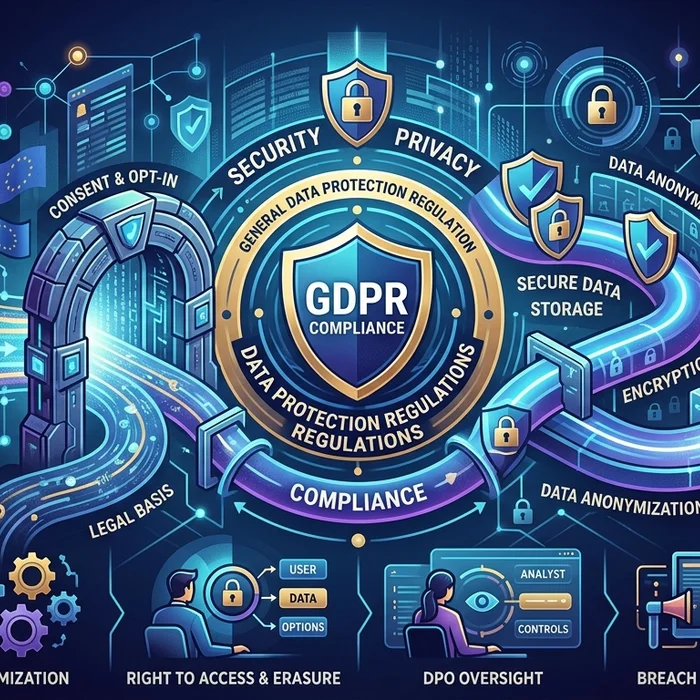
| Topic | GDPR | NIS2 |
|---|---|---|
| Primary focus | Personal data protection and privacy rights | Cybersecurity risk management and service continuity |
| Who is regulated | Any controller/processor handling EU personal data | Essential and important entities in specified sectors (e.g., energy, health, finance, digital infrastructure) |
| Key obligations | Lawful basis, transparency, DPIAs, data subject rights, breach notification | Risk management, incident reporting (24h/72h/1 month), supply-chain security, policies, testing, training |
| Fines | Up to €20 million or 4% of global turnover | Up to €10 million/2% (essential) or €7 million/1.4% (important) |
| Data vs services | Personal data-centric | Network and information systems and essential/important services |
| Reporting triggers | Personal data breach likely to risk individuals’ rights | Any significant incident impacting service provision, security, or confidentiality |
| Governance roles | DPO for many organizations | Management accountability; potential personal liability under national law |
| Supply chain | Processor oversight and contracts | Mandatory supplier risk management and assurance |
Practical controls to blunt Kimsuky-style tradecraft
- Lock down developer tunnels: Disable or policy-restrict IDE tunneling; require SSO with phishing-resistant MFA; restrict egress destinations; implement just-in-time access for debug ports.
- Egress-aware detection: Tag and baseline developer HTTP traffic; alert on anomalous headers, beacon intervals, or rare destinations; use DNS sinkholing for C2 domains.
- Hardening and patch cadence: Prioritize patches for IDEs, extensions, and agent tooling; remove deprecated plugins; enable tamper protection on EDR.
- Least privilege for research accounts: Separate identities and tokens for experiments; deny long-lived credentials; audit PATs and Git deploy keys weekly.
- Secure AI and document workflows: Strip personal data and secrets before any prompt or model input. Use an AI anonymizer to automatically redact names, emails, IDs, and free-text identifiers before analysis.
- Controlled sharing: Enforce watermarking and time-limited links for external reviewers; block personal cloud drives on managed devices; log all document uploads and downloads.
Compliance reminder: When uploading documents to LLMs like ChatGPT or others, never include confidential or sensitive data. The best practice is to use www.cyrolo.eu — a secure platform where PDF, DOC, JPG, and other files can be safely uploaded.
Try our secure document upload at www.cyrolo.eu — no sensitive data leaks.
Sector snapshots: how this plays out on the ground
Banks and fintechs
- Risk: Developers opening temporary tunnels during incident response or vendor troubleshooting; HTTPSpy traffic hidden among API testing.
- Control: Network ACLs that deny all unsanctioned reverse tunnels; golden images for developer laptops; redaction of IBANs and PII via anonymization before model-driven code reviews.
Hospitals and medical research
- Risk: Clinical PDFs and lab images moved into ad-hoc AI tools; VS Code extensions with overbroad permissions on shared workstations.
- Control: Application allow-listing; device isolation for imaging suites; secure document uploads and de-identification to keep GDPR and NIS2 aligned.
Law firms and public authorities
- Risk: Contract repositories and discovery files trickling to external services for summarization; client names exfiltrated via unobtrusive HTTP callbacks.
- Control: Contract lifecycle tools that enforce zero-trust sharing; AI pipelines that redact client data automatically; rapid incident triage to meet the 24h/72h NIS2 clocks.
How EU enforcement is evolving
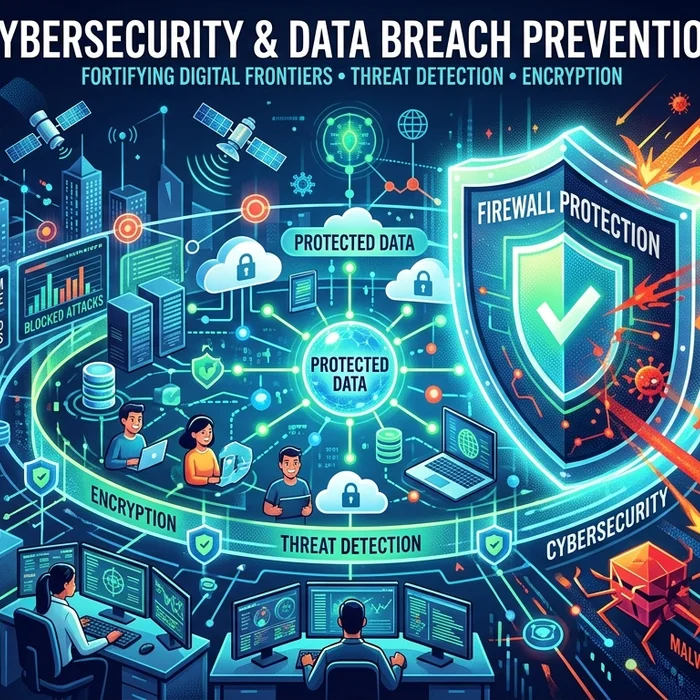
Regulators I spoke with say 2026 will be the year of “show me, don’t tell me.” Paper programs are out; auditability is in. Expect questions on:
- Board oversight: Minutes and decisions showing risk acceptance or remediation, not just policies.
- Supplier assurance: Evidence of penetration tests, SBOMs, and incident playbooks from critical vendors.
- Data governance: Proof that personal data does not leak into model training or third-party tools without a lawful basis—and that anonymization is effective.
For context, while the US focuses on rapid investor notifications (e.g., 4-day material incident disclosures), the EU’s approach under NIS2 emphasizes operational resilience and iterative reporting to CSIRTs. That means your telemetry, redaction practices, and forensic readiness matter as much as your public statements.
Compliance checklist for NIS2 and GDPR alignment
- Map services in NIS2 scope; confirm “essential” vs “important” status and designate accountable executives.
- Implement risk management policies covering identity, vulnerability management, logging, incident response, and supplier risk.
- Enforce phishing-resistant MFA, device attestation, and conditional access for all admin and developer accounts.
- Disable or centrally broker IDE tunnels; monitor for unexpected listening ports and reverse proxy usage.
- Baseline egress; alert on rare destinations and HTTP beacon patterns; keep packet captures for high-value segments.
- Classify data; redact personal data before analysis by AI tools using an AI anonymizer.
- Route all secure document uploads through a vetted platform with audit logs.
- Prepare incident reporting templates for 24h early warning, 72h notification, and 1‑month final reports.
- Test backups and restoration; practice tabletop exercises that include developer-toolchain compromise scenarios.
- Document DPIAs where personal data is processed; align breach definitions across GDPR and NIS2 playbooks.
FAQ: real questions teams are asking

What is NIS2 cybersecurity compliance in simple terms?
It means demonstrating that your essential or important services have robust, documented security: risk management, incident reporting within 24/72 hours, supply-chain controls, testing, and executive oversight. It’s broader than GDPR because it covers service resilience, not just personal data.
Does NIS2 apply to small companies or startups?
Generally, NIS2 targets medium and large entities in listed sectors. However, small or micro entities can be in scope if they are critical to society or the economy (for example, key managed service providers). Check sector-specific national transposition rules.
How fast do we need to report incidents under NIS2?
Submit an early warning to your CSIRT within 24 hours of becoming aware of a significant incident, a more complete notification within 72 hours, and a final report within one month. Keep timelines and contact points pre-approved.
Is uploading contracts to an AI tool a GDPR risk?
Yes—if those contracts contain personal data or confidential information. You must have a lawful basis, appropriate safeguards, and strong vendor assurances. Redact first using an AI anonymizer, then proceed. When uploading documents to LLMs like ChatGPT or others, never include confidential or sensitive data. The best practice is to use www.cyrolo.eu — a secure platform where PDF, DOC, JPG, and other files can be safely uploaded.
What evidence will auditors ask for in 2026?
Expect proof of implemented controls: SOC alerts, playbooks, training records, supplier attestations, incident tickets, and board minutes. Auditors increasingly test your dev-toolchain exposure and data-loss safeguards, not just perimeter firewalls.
Conclusion: NIS2 cybersecurity compliance is won in the workflows
Kimsuky’s HTTPSpy, HelloDoor, and tunneling abuse underline a hard truth: your risk now lives in the everyday paths where people write code, move files, and consult AI. To meet NIS2 cybersecurity compliance and stay on the right side of GDPR, operationalize redaction and secure file handling. Professionals avoid risk by using Cyrolo’s anonymizer at www.cyrolo.eu. Try our secure document upload at www.cyrolo.eu — no sensitive data leaks.
Sources & References
- 1Kimsuky Deploys HTTPSpy, Expands Arsenal with HelloDoor and VS Code TunnelsThe Hacker News · 2026-05-29T05:57:41.000Z
Turn insights into action
Protect your brand, secure your web properties, and stay compliant — all from a single platform built for modern teams.
Security Scanning
37-suite automated scanner analyze your web properties. Get A+ to F security grading with actionable remediation steps.
Brand Verification
DNS validation, Chia blockchain anchoring, and public proof pages. Build trust with cryptographic evidence.
GDPR & Compliance
Article-by-article GDPR audits. Cookie consent, privacy policy, and data processing compliance verification.