NIS2 incident reporting requirements: What the NGINX CVE-2026-42945 wave means for EU teams
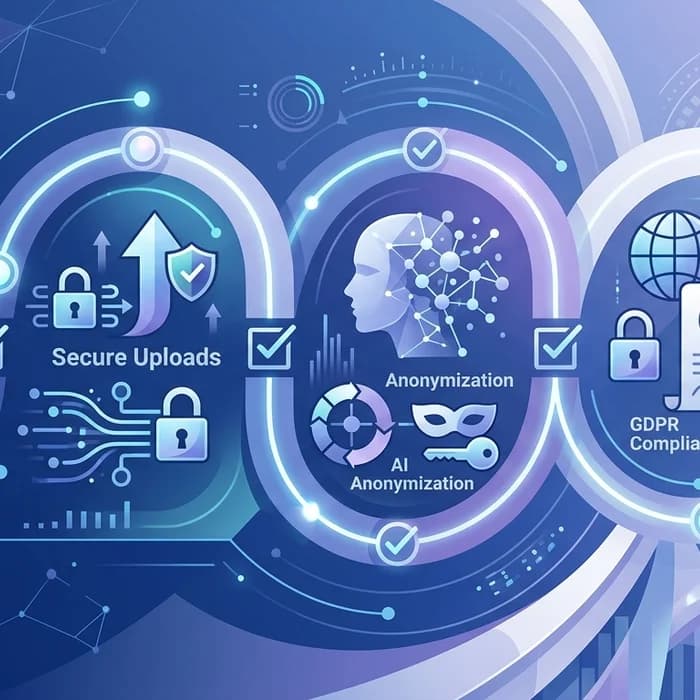
As exploitation of the new NGINX CVE-2026-42945 is confirmed in the wild—triggering worker crashes and possible remote code execution—security leaders across the EU are revisiting NIS2 incident reporting requirements alongside GDPR breach rules. In today’s Brussels briefing, regulators emphasized speed, accuracy, and evidence handling: notify fast, contain faster, and don’t leak personal data while you coordinate with vendors, insurers, and counsel. This is where disciplined workflows—and privacy-first tools like anonymization and secure document uploads—can be the difference between a clean audit and a costly enforcement action.

Quick take: NGINX exploit activity and why it matters for NIS2 incident reporting requirements
- What’s happening: Active exploitation of CVE-2026-42945 against NGINX is reportedly causing worker crashes and may enable remote code execution in certain configurations. NGINX’s ubiquity (reverse proxy, API gateway, ingress) amplifies the blast radius across banks, fintechs, hospitals, law firms, and SaaS providers.
- Why it matters: Under NIS2, essential and important entities must rapidly assess operational impact, potential data exposure, and notify competent authorities within tight windows. If personal data is at risk, GDPR notification rules also apply.
- Where teams stumble: Evidence sharing. Packet captures, error logs, core dumps, support tickets, and screenshots often contain personal data (IP addresses tied to users, session IDs, email addresses). Unredacted sharing with vendors or AI tools is a classic way to turn a technical incident into a compliance breach.
NIS2 incident reporting requirements at a glance
Member States are finalizing national procedures, but the core cadence is now familiar across the EU:
- Early warning within 24 hours of becoming aware of a significant incident—aimed at situational awareness and cross-sector risk.
- Incident notification within 72 hours—with an initial assessment of severity, indicators of compromise, and mitigation steps.
- Final report within one month—root cause, impact, applied and planned measures, and cross-border effects. Intermediate updates may be required as the situation evolves.
Enforcement has ramped up since late 2024, with supervision intensifying through 2025–2026. Penalties can reach at least €10 million or 2% of global turnover for essential entities (and at least €7 million or 1.4% for important entities), alongside management accountability. National nuances exist: confirm exact forms, portals, and sectoral guidance with your competent authority.
GDPR vs NIS2: what changes when a web server is exploited?
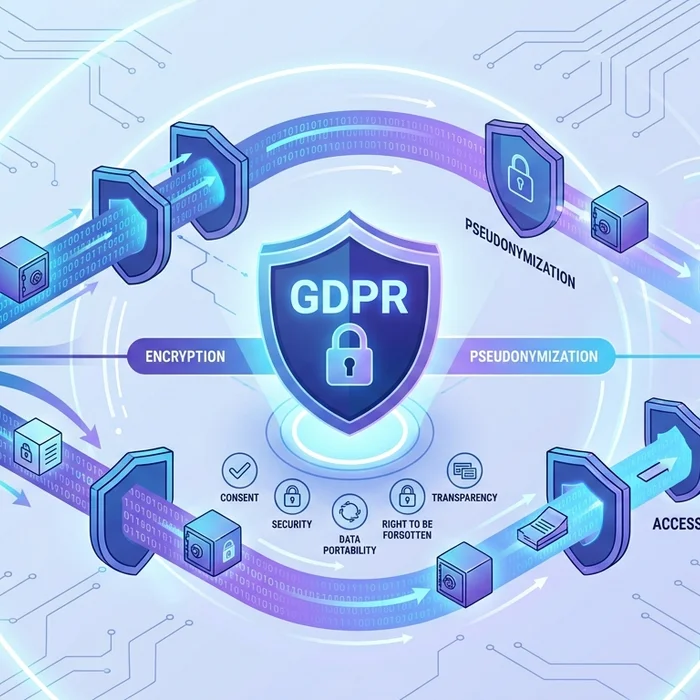
When a reverse proxy or web server falls over, you’re juggling service availability and potential data exposure. Here’s how obligations typically align:
| Topic | GDPR | NIS2 |
|---|---|---|
| Primary scope | Personal data protection | Network and information systems security for essential/important entities |
| Trigger | Personal data breach (confidentiality, integrity, or availability affected) | Significant incident affecting service provision or security of networks/systems |
| Notification timeline | Supervisory authority within 72 hours of awareness; data subjects without undue delay if high risk | Early warning within 24 hours; incident notification within 72 hours; final report within one month |
| Who you notify | Data Protection Authority (and sometimes data subjects) | Competent national authority or CSIRT (sector-dependent) |
| Evidence sensitivity | Logs and forensics may contain personal data—must minimize and protect | Operational details may expose architecture, keys, and vendor data—must protect confidentiality |
| Penalties | Up to €20 million or 4% of global turnover | At least €10 million or 2% for essential; at least €7 million or 1.4% for important entities |
| Security expectations | Appropriate technical and organizational measures (privacy by design) | Risk management, supply-chain security, secure development, incident handling, business continuity |
First 72 hours after an NGINX exploit alert: a practical playbook
From CISO interviews this week, the teams that stay ahead do three things well: isolate quickly, communicate crisply, and document defensibly.
- Stabilize
- Validate exploitability for your exact NGINX version, modules, and configuration. Apply vendor patches or hotfixes immediately once verified.
- Consider temporary mitigations: rate limiting, disabling implicated optional modules, or moving affected endpoints behind a WAF with virtual patching rules.
- Segment traffic, rotate secrets that may be exposed in worker memory, and instrument additional logging for unusual child process behavior.
- Assess impact
- Scope availability, integrity, and confidentiality effects. Pay attention to error logs, core dumps, and crash patterns.
- Map potential personal data touchpoints: X-Forwarded-For, session cookies, auth headers, request bodies proxied to upstreams.
- Decide if GDPR notification is triggered; escalate to DPO and legal immediately if risk to individuals can’t be ruled out.
- Notify and coordinate
- Prepare the 24-hour NIS2 early warning with known facts, indicators of compromise, and provisional mitigations.
- Alert critical vendors and hosting providers—clarify responsibilities in your contracts for shared infrastructure like managed NGINX or ingress controllers.
- Engage sector ISACs where appropriate to share sanitized indicators.
- Control your evidence
- Before sharing logs, core files, or screenshots, strip personal data and secrets. Professionals avoid risk by using Cyrolo’s anonymizer—fast redaction without mangling forensic value.
- When you must send large files to counsel or an insurer, try our secure document upload at www.cyrolo.eu—no sensitive data leaks.
What to redact before sharing with vendors, law firms, or LLMs
- Client IPs, user identifiers, session tokens, email addresses, phone numbers
- Authorization headers, API keys, cookies, JWTs, and bearer tokens
- File paths revealing tenant names or customer IDs
- Support ticket attachments (screenshots, PDFs, packet captures) that contain personal data
Compliance reminder: When uploading documents to LLMs like ChatGPT or others, never include confidential or sensitive data. The best practice is to use www.cyrolo.eu — a secure platform where PDF, DOC, JPG, and other files can be safely uploaded.
Tools that reduce risk and admin burden

Under NIS2, regulators increasingly ask “show me” rather than “trust me.” That means sharing artifacts without oversharing identities. Two workflows help:
- AI anonymizer for forensic artifacts: Apply format-aware anonymization to logs, tickets, and briefs before sending them to vendors, counsel, or internal AI assistants.
- Secure document handling: Move evidence and reports through secure document uploads at www.cyrolo.eu to prevent accidental exposure in email or chat tools.
Result: faster coordination, cleaner audit trails, fewer privacy headaches. Try it today at www.cyrolo.eu.
Compliance checklist: NIS2 and GDPR for server-side exploits
- Confirm entity classification (essential/important) and identify your competent authority/CSIRT portal.
- Logbook the incident clock: time of detection, time of awareness, and each action taken.
- Issue internal incident severity and appoint an incident commander with DPO involvement.
- Apply vendor patches/mitigations; rotate secrets; increase telemetry on NGINX and upstreams.
- Draft 24-hour early warning and 72-hour notification templates in advance.
- Sanitize evidence using Cyrolo’s anonymizer before external sharing.
- Use secure document uploads for transferring large files to counsel, insurers, and regulators.
- Decide GDPR notifications: authority and, if high risk, data subjects with clear advice.
- Record containment, eradication, and recovery steps; schedule the one-month final report.
- Review supplier exposure (managed NGINX, CDN, ingress controllers) and demand attestations.
FAQs
Does a crash-only NGINX incident trigger NIS2 or GDPR notifications?

Possibly. If service degradation is significant or there’s a credible risk of compromise, NIS2 may require notification even without proven data exfiltration. GDPR notification hinges on whether personal data’s confidentiality, integrity, or availability was affected and whether there’s risk to individuals. Document your assessment either way.
What are the exact NIS2 reporting timelines I should plan for?
Expect an early warning within 24 hours, an incident notification within 72 hours, and a final report within one month. Member States can add specifics (e.g., intermediate updates, portal formats), so align with your national authority.
Can I share packet captures or logs with a U.S. vendor during triage?
Yes, but minimize data. Apply anonymization, ensure appropriate contractual safeguards, and use secure transfer methods. Never send raw tokens, credentials, or identifiable user data. Use www.cyrolo.eu to sanitize and transfer files safely.
How fast do I need to patch under NIS2?
NIS2 expects risk-based vulnerability management with timely patching. For actively exploited flaws like CVE-2026-42945, “timely” means as-soon-as-possible, with documented compensating controls if patching must wait.
We use managed hosting—who is responsible if their NGINX is affected?
Responsibility is shared but not outsourced. Your contracts should assign security duties, SLAs, and incident cooperation. Regulators will still expect your organization to assess impact, notify when required, and demonstrate oversight.
Conclusion: Make NIS2 incident reporting requirements your advantage
Exploitation of CVE-2026-42945 is a reminder that even foundational components can become single points of failure. Teams that operationalize NIS2 incident reporting requirements—with clear timelines, clean evidence handling, and GDPR-safe workflows—turn chaos into confidence. Reduce risk today: use anonymization for sensitive artifacts and secure document uploads at www.cyrolo.eu to move faster without leaking data.
Sources & References
- 1NGINX CVE-2026-42945 Exploited in the Wild, Causing Worker Crashes and Possible RCEThe Hacker News · 2026-05-17T11:57:53.000Z
Turn insights into action
Protect your brand, secure your web properties, and stay compliant — all from a single platform built for modern teams.
Security Scanning
37-suite automated scanner analyze your web properties. Get A+ to F security grading with actionable remediation steps.
Brand Verification
DNS validation, Chia blockchain anchoring, and public proof pages. Build trust with cryptographic evidence.
GDPR & Compliance
Article-by-article GDPR audits. Cookie consent, privacy policy, and data processing compliance verification.