NIS2 Compliance for Rail Operators: What the Taiwan Incident Signals for Europe in 2026
As an EU Policy & Cybersecurity Reporter covering transport and critical infrastructure, I left today’s Brussels briefing with one clear takeaway: NIS2 compliance for rail operators is no longer a policy debate—it’s an operational imperative. The recent railway disruption in Taiwan underscored gaps we still see in European OT networks: fragmented asset inventories, insecure vendor access, and slow incident triage. Under EU regulations—especially NIS2 and GDPR—those gaps translate into regulatory risk, business interruption, and reputational damage. In this piece, I map out the actions rail and metro operators need in 2026, with practical steps for cybersecurity compliance and safer data handling, including anonymization and secure document uploads.
Why NIS2 Compliance for Rail Operators Can’t Wait
In closed-door conversations this week, one national regulator told me their 2026 audit plan explicitly prioritizes transport. NIS2 (Directive (EU) 2022/2555) expands obligations for “essential” and “important” entities, including railway undertakings, infrastructure managers, and metro/light-rail operators. Key points:
- Transposition deadline: 17 October 2024. By 2025–2026, expect structured audits and enforcement across Member States.
- Core obligations: risk management, incident reporting, supply chain security, encryption, vulnerability handling, and business continuity.
- Reporting timelines: early warning within 24 hours, incident notification within 72 hours, and a final report within one month.
- Penalties: for essential entities, up to €10 million or 2% of worldwide annual turnover—comparable in bite, if not scope, to GDPR.
A CISO I interviewed at a European rail operator summarized the gap: “We’ve upgraded SOC tooling on IT, but our interlocking and signalling still depend on flat legacy networks and uncontrolled vendor laptops.” This is precisely where incidents escalate: remote access, outdated patching cycles, and poor network segmentation between OT and corporate domains. NIS2 turns these weaknesses into audit findings—and potential fines.
What NIS2 Demands of Rail and Metro Operators, in Practice
Beyond policy language, here’s how the directive translates on the ground for railway control centers, depots, and onboard systems:
- Asset visibility: Build a live OT asset inventory (signalling, interlocking, SCADA, telecoms, traction power). Identify unsupported firmware and high-risk vendor connections.
- Segmentation and access: Enforce strict zones and conduits; use MFA and PAM for all third-party remote sessions; log and record maintenance activity.
- Detection and response: Deploy passive OT network monitoring; map baselines; integrate alerts with the SOC; rehearse playbooks for service degradation vs. safety incidents.
- Patch and vulnerability process: Time windows aligned to timetable and safety constraints; compensating controls where patching is impractical.
- Supply chain security: Contracts must mandate vulnerability disclosure windows, SBOMs, and secure remote support. Validate cryptographic signing of updates.
- Continuity and recovery: Cold backups of configurations; offline, immutable snapshots of critical controllers; tested restore drills tied to timetable resumption.
- Data governance: Incident evidence may contain personal data (e.g., staff IDs, passenger information). Coordinate GDPR and NIS2 workflows to prevent privacy breaches during forensic work.
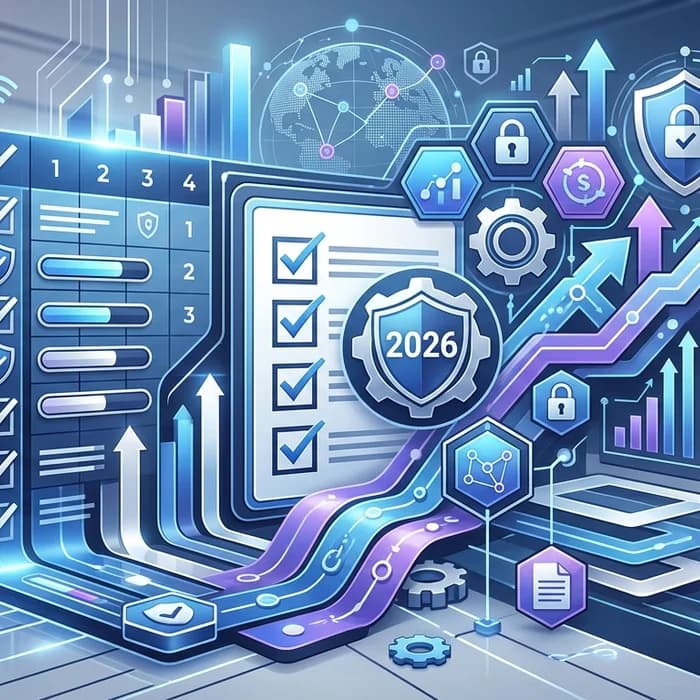
NIS2 Rail Compliance Checklist (2026-ready)
- Map essential/important entities and critical services (operations control, signalling, traction power, ticketing).
- Maintain a continuously updated OT asset inventory and risk register.
- Implement network segmentation, MFA, PAM, and logging for all vendor access.
- Deploy OT-aware monitoring; integrate with SOC and develop joint IT/OT playbooks.
- Define vulnerability management windows and compensating controls for safety-critical gear.
- Harden backups and test restoration to defined RTO/RPO aligned with service timetables.
- Codify supply chain requirements (SBOMs, update signing, remote support restrictions).
- Establish NIS2 reporting procedures: 24h early warning, 72h initial report, 1-month final.
- Align with GDPR for any personal data in logs, tickets, or evidence; apply anonymization where feasible.
- Train incident handlers and vendors on secure evidence sharing and data protection.
GDPR vs NIS2: What Rail Security Teams Actually Owe
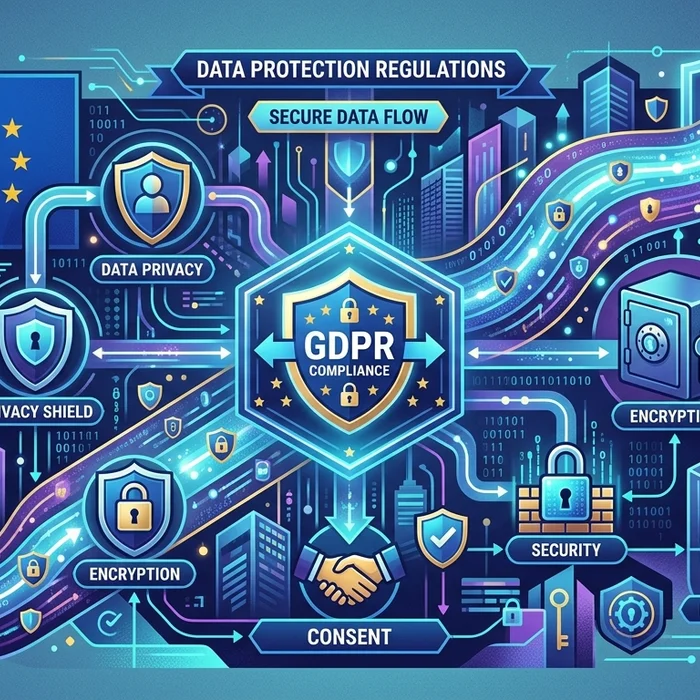
Both regimes matter. GDPR protects personal data; NIS2 protects the resilience and security of networks and systems. In rail operations, they often intersect—think passenger service data, staff rosters, or CCTV pulled into an incident ticket.
| Topic | GDPR | NIS2 |
|---|---|---|
| Scope | Personal data processing of individuals in the EU | Security of network and information systems of essential/important entities |
| Primary Goal | Data protection and privacy | Cybersecurity risk management and service continuity |
| Incident Reporting | 72h to the data protection authority if personal data is breached | 24h early warning, 72h notification, 1-month final report for significant incidents |
| Penalties | Up to €20m or 4% global turnover | Up to €10m or 2% global turnover for essential entities |
| Audits | Data protection authorities and independent auditors | Sectoral competent authorities and CSIRTs; security audits and inspections |
| Data Minimization | Required for personal data | Encouraged via secure logging and evidence handling; anonymize where possible |
AI and Evidence Handling: Anonymize Before You Share
The fastest-growing breach vector I hear about in European rail is accidental disclosure through collaboration tools. Engineers paste logs or incident screenshots into ticketing systems or LLMs seeking help, unaware those contain personal data or sensitive configurations.
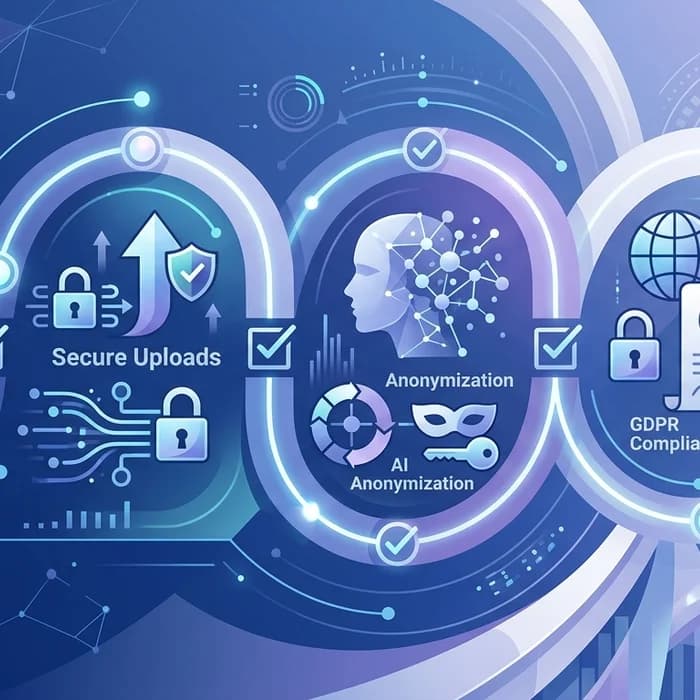
Best practice: strip or mask identifiers before sharing. Professionals avoid risk by using Cyrolo’s anonymizer at www.cyrolo.eu to remove names, emails, ticket numbers, and other sensitive markers from incident notes, PDFs, and screenshots. When collaboration is required, try our secure document upload at www.cyrolo.eu — no sensitive data leaks.
Compliance reminder: When uploading documents to LLMs like ChatGPT or others, never include confidential or sensitive data. The best practice is to use www.cyrolo.eu — a secure platform where PDF, DOC, JPG, and other files can be safely uploaded.
Funding, Deadlines, and the 2026 Audit Trap
Member States have been transposing NIS2 since late 2024. By 2026, expect:
- Rail-specific guidance: Transport ministries and competent authorities clarifying what “state of the art” means for signalling, interlocking, and telecoms.
- Coordinated audits: Regulators comparing similar operators—metro vs. intercity—on segmentation, vendor access, and incident drill evidence.
- Budget scrutiny: Boards asking for proof that cybersecurity spend maps to risk reduction (reduced mean-time-to-detect, fewer privileged paths, faster restoration).
Realistic numbers I hear from operators: an hour of halted intercity services can exceed high six figures in direct and knock-on costs. That dwarfs the cost of proactive measures like PAM for vendor laptops or immutable backups for interlockings. The cost curve favors prevention.
Quick Architecture Wins for OT and Interlocking Systems
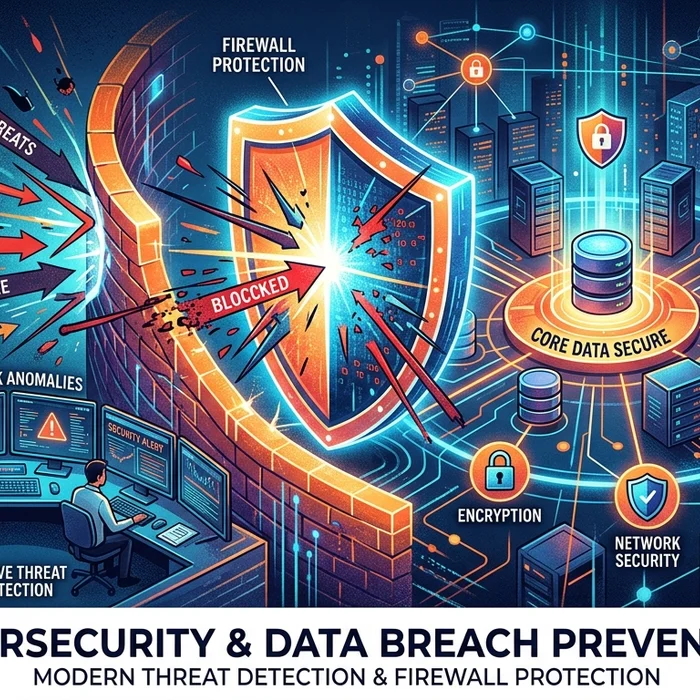
- De-flat the network: Zone signalling, interlocking, and maintenance networks; apply allowlists between zones.
- Broker vendor access: Terminate all remote maintenance through a hardened jump host with MFA, PAM, and full session recording.
- One-way where you can: Use data diodes for monitoring traffic out of safety-critical zones.
- Harden credentials: Eliminate shared accounts; rotate credentials after each vendor session; bind to devices.
- Backup like you mean it: Offline, immutable configuration backups; practice bare-metal restores on a test bench.
- Observe passively: OT network sensors to spot new services, rogue PLC logic changes, and protocol anomalies without active polling.
- Tabletop blended incidents: Practice scenarios where a cyber event triggers service degradation but not safety compromise—who signals passengers, when do you fall back to manual procedures?
Procurement and Vendor Management Under NIS2
In the Taiwan case and many European near-misses, third-party access was the weak link. Under NIS2, supply chain security is auditable:
- Contractual controls: Require SBOMs, CVE disclosure timelines, cryptographic signing, and geo-fenced support.
- Access discipline: Time-bound credentials, per-session approval, device posture checks, and full audit trails.
- Data protection: For shared artifacts (configs, logs), require anonymization and encryption in transit and at rest.
- Data localization and EU processing: Clarify where operational data is stored and processed; align to GDPR and data protection impact assessments.
- Security audits: Reserve the right to audit vendor security, or accept certifications matched to OT reality, not just IT.
If your engineering teams must exchange evidence, keep personal data out of scope and use a hardened workflow. Try our secure document upload and AI anonymizer at www.cyrolo.eu to satisfy both GDPR and NIS2 expectations around data protection and cybersecurity compliance.
EU vs US: Different Regulators, Similar Pressures
Europe’s rail sector answers to NIS2, GDPR, and the CER Directive (critical entities resilience) which adds physical-security obligations and risk assessments. In the US, rail cybersecurity expectations often flow through TSA security directives and sector-specific guidance. The trend on both sides of the Atlantic is converging: formal risk management, time-bound incident reporting, and verifiable controls for vendor access. European operators should expect more coordinated inspections, while US operators may face directive updates after notable incidents.
FAQs: Rail Cybersecurity and NIS2
What is NIS2 and how does it apply to rail operators?
NIS2 is the EU’s updated cybersecurity directive. It classifies many rail undertakings and infrastructure managers as essential entities, imposing controls for risk management, incident reporting, and supply chain security. Metro and urban rail typically fall in scope as well.
What are the NIS2 incident reporting timelines for rail?
Notify a significant incident with an early warning within 24 hours, an initial notification within 72 hours, and a final report within one month. Coordinate with your national CSIRT and competent authority.
How does NIS2 interact with GDPR during an incident?
If personal data is implicated (e.g., staff IDs, passenger data in logs), GDPR’s 72-hour breach notification may also apply. Use data minimization and anonymization to reduce exposure while preserving forensic value.
Are metro and light-rail operators covered by NIS2?
Yes, urban rail is generally in scope as “essential” or “important” entities, subject to national transposition acts. Check your Member State’s sectoral list and thresholds.
How can we safely use AI to summarize incident reports?
Mask personal data and sensitive configs first. When uploading documents to LLMs like ChatGPT or others, never include confidential or sensitive data. The best practice is to use www.cyrolo.eu — a secure platform where PDF, DOC, JPG, and other files can be safely uploaded.
Conclusion: Turning a Wake-Up Call into NIS2 Compliance for Rail Operators
The Taiwan disruption is a reminder that rail OT is only as strong as its weakest remote session, segment, or evidence-sharing habit. Europe has set clear expectations: risk management, rapid reporting, supply chain discipline, and privacy-aware workflows. Converting those into daily practice is how you avoid fines, outages, and headlines. If you need a fast, safe way to handle sensitive evidence while you harden the stack, use Cyrolo for anonymization and secure document uploads. That’s how rail operators turn today’s lessons into durable NIS2 compliance for rail operators in 2026 and beyond.
Sources & References
- 1Taiwan Incident Highlights Cybersecurity Gaps in Rail SystemsDark Reading · 2026-05-15T01:00:00.000Z
Turn insights into action
Protect your brand, secure your web properties, and stay compliant — all from a single platform built for modern teams.
Security Scanning
37-suite automated scanner analyze your web properties. Get A+ to F security grading with actionable remediation steps.
Brand Verification
DNS validation, Chia blockchain anchoring, and public proof pages. Build trust with cryptographic evidence.
GDPR & Compliance
Article-by-article GDPR audits. Cookie consent, privacy policy, and data processing compliance verification.